
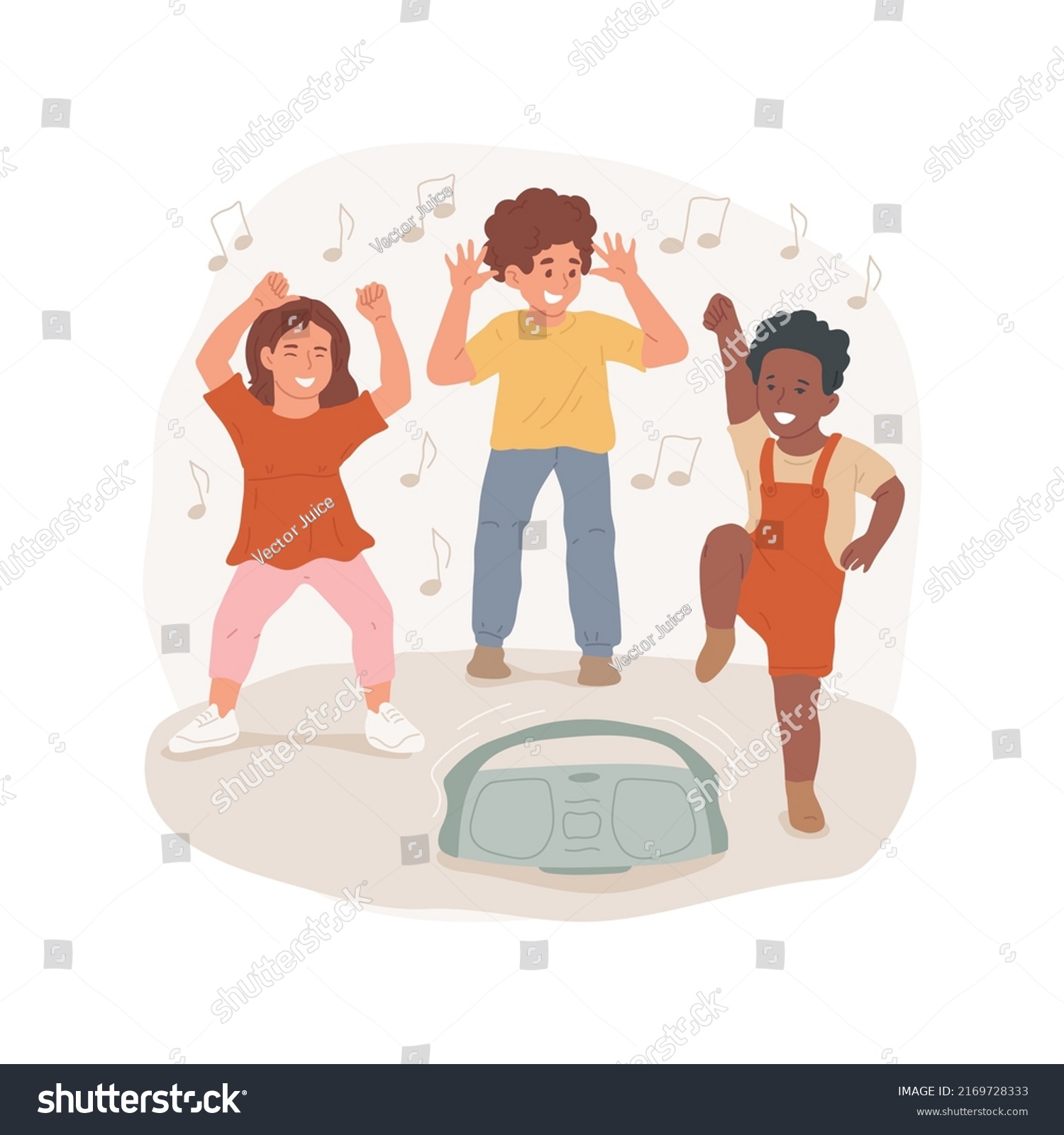
The human body is an orchestra, each muscle a musician, each breath a conductor’s baton. For those whose words often stumble or remain unspoken, movement becomes the language that transcends silence. Autism, a spectrum as vast as the stars, often presents challenges in verbal expression and social connection. Yet within this complexity lies a profound truth: the body remembers what the mind cannot always articulate. Dance, in its purest form, is not merely motion—it is a dialogue without words, a symphony of gestures that speaks directly to the soul. When autism and dance converge, something extraordinary unfolds: a bridge between isolation and belonging, a silent conversation that echoes louder than any spoken sentence.
Imagine standing at the edge of a crowded room, the hum of voices a cacophony that feels like static in your ears. Words swirl around you, but their meaning dissolves before you can grasp it. Now, picture stepping onto a dance floor, where the rhythm pulses through your veins like a second heartbeat. Here, there are no misplaced pronouns, no misunderstood intonations—only the steady thrum of music and the language of movement. For individuals on the autism spectrum, dance offers more than physical exercise; it is a sanctuary where communication flows freely, where the body becomes the translator of emotions too deep for words. This is not just therapy. It is revelation.
The Body as a Canvas: Painting Emotions in Motion
In the world of autism, emotions often manifest as storms—intense, unpredictable, and overwhelming. Yet these same emotions, when channeled through dance, transform into vibrant strokes on a living canvas. The body, for many autistic individuals, is both a vessel and a voice. When words fail, movement endures. A sway of the hips might convey joy; a sharp, angular gesture could express frustration. Dance does not demand precision in articulation—it invites authenticity in motion.
Consider the case of a nonverbal child who, during a dance session, suddenly begins to spin with abandon. Their arms extend like wings, their body tilting in perfect harmony with the music. To an onlooker, it may seem like mere play. To a therapist, it is a breakthrough—a moment where the child’s inner world spills into the external, where isolation gives way to connection. Dance, in this context, is not about performance. It is about presence. It is about the child learning that their body can be both an instrument and a confidant, capable of expressing what their voice cannot.

This phenomenon is not confined to children. Adults on the spectrum, too, find solace in dance. For those who have spent a lifetime masking their struggles, movement becomes a form of radical self-expression. A slow, deliberate dance might mirror the careful navigation of social norms. A sudden, explosive leap could symbolize the release of pent-up emotions. In dance, there is no right or wrong—only resonance. The body becomes a partner in dialogue, a silent yet eloquent participant in the dance of life.
The Rhythm of Connection: How Dance Fosters Social Bonds
Human connection is often built on the fragile threads of eye contact, shared laughter, and synchronized speech. For autistic individuals, these threads can feel like frayed wires—difficult to weave into meaningful patterns. Dance, however, rewrites the rules of engagement. It transforms social interaction from a minefield of unspoken expectations into a playground of shared rhythm and motion.
When two people dance together, they enter into a silent pact: to move in harmony, to respond to each other’s energy, to create something beautiful without words. This is not merely imitation; it is attunement. For autistic individuals, who may struggle with reading social cues, dance provides a structured yet flexible framework for connection. The music acts as a third party, guiding the interaction and reducing the pressure to intuitively understand another’s intentions.
Group dance sessions, in particular, offer a microcosm of community. Participants mirror each other’s movements, creating a visual dialogue that transcends verbal language. A leader emerges naturally, not by decree but by the subtle shifts in energy they project. Followers respond, not out of obligation, but because the rhythm compels them. In this way, dance becomes a metaphor for social harmony—a reminder that connection is not about perfection, but about presence and participation.

Moreover, dance fosters a sense of belonging that is often elusive for autistic individuals. In a world that can feel overwhelmingly loud and chaotic, the dance floor offers a sanctuary of predictability and rhythm. The music’s pulse becomes a metronome for the soul, grounding participants in the present moment. Here, they are not defined by their differences but celebrated for their unique contributions to the collective dance.
Breaking Barriers: Dance as a Tool for Emotional Regulation
Emotional dysregulation is a common challenge for many on the autism spectrum. The world can feel like a series of abrupt shifts—loud noises, bright lights, unexpected changes—each one a potential trigger for overwhelm. In these moments, the body often reacts before the mind can intervene. Dance, however, offers a lifeline. It provides a controlled environment where emotions can be externalized and transformed into motion.
Consider the act of stomping to a heavy beat. The impact of each step sends vibrations through the body, grounding the dancer in the present. The rhythm acts as an anchor, steadying the tumultuous waves of emotion. Similarly, fluid, swaying movements can soothe a racing mind, their gentle undulations mirroring the ebb and flow of breath. Dance, in this sense, is a form of kinetic meditation—a way to recalibrate the nervous system and restore equilibrium.
For autistic individuals who experience sensory sensitivities, dance can also serve as a form of sensory integration. The tactile feedback of movement, the rhythmic patterns of music, and the visual stimulation of space all contribute to a holistic sensory experience. When these elements are harmonized, they create a sense of order amidst chaos. The body learns to navigate its environment with greater ease, and emotions find their rhythm.
This process is not linear. Some days, the dance may feel like a struggle—a battle to synchronize body and mind. Other days, it may feel effortless, a seamless flow of motion and emotion. What matters is the act of showing up, of allowing the body to lead when words cannot. In this way, dance becomes more than a therapeutic tool; it is a testament to resilience, a declaration that even in silence, there is power.
The Unspoken Dialogue: Dance as a Universal Language
Language is a fragile thing. It can be misinterpreted, lost in translation, or drowned out by noise. But movement? Movement is ancient. It predates spoken word, predates written language. It is the first language we learn as infants, the first way we communicate our needs and desires. For autistic individuals, who may find verbal language a labyrinth of confusion, dance offers a return to this primal form of expression.
In dance, there are no grammatical errors, no misplaced modifiers. There is only the body’s truth. A tilt of the head might signal curiosity. A clenched fist could denote frustration. These are not metaphors; they are direct translations of emotion into motion. When autistic individuals engage in dance, they are not performing—they are communicating. They are engaging in a dialogue that requires no interpreter, no explanation. The message is clear, immediate, and unfiltered.
This universality of dance is its most profound appeal. It transcends cultural boundaries, cognitive differences, and linguistic barriers. A dance in Tokyo may look different from a dance in New York, but the underlying language is the same: a conversation of the body. For autistic individuals, this universality is a source of comfort. It reminds them that they are not alone in their struggles to connect. Their movements, however unique, are part of a larger tapestry of human expression.
Moreover, dance invites curiosity. It encourages observers to look beyond stereotypes and see the individual beneath the label. When an autistic person dances, they are not performing autism—they are performing humanity. They are showing the world that their body is capable of beauty, of strength, of communication. In this way, dance becomes a form of advocacy, a silent yet powerful statement that every voice deserves to be heard, even if it speaks in steps rather than syllables.
The Journey Ahead: Dance as a Lifelong Companion
Autism is not a static experience. It evolves, shifts, and adapts with time. What works for a child may not resonate with an adult; what brings comfort in one season may feel restrictive in another. Dance, however, is a constant. It is a practice that can grow with the individual, offering new layers of meaning at every stage of life.
For children, dance is play—a way to explore the body’s capabilities and build confidence. For teenagers, it can be a form of self-discovery, a way to assert identity and navigate the complexities of adolescence. For adults, dance may become a ritual, a meditative practice that grounds them in the present. And for seniors on the spectrum, dance can be a celebration of resilience, a testament to a lifetime of movement and growth.
This adaptability is what makes dance such a powerful tool for autistic individuals. It is not a one-size-fits-all solution but a flexible language that can be tailored to each person’s unique needs and preferences. Whether through structured therapy sessions or spontaneous moments of expression, dance offers a pathway to connection, communication, and self-acceptance.
As we move forward, it is essential to recognize that dance is not a cure for autism. It is not a magic wand that erases challenges or molds individuals into a narrow definition of “normal.” Instead, it is a celebration of diversity—a reminder that there are countless ways to experience the world and to communicate with it. For autistic individuals, dance is more than a therapy; it is a lifeline, a bridge, and a voice.
The body speaks when words fail. It dances when silence is too loud. In the intersection of autism and movement lies a profound truth: that communication is not confined to the vocal cords, but resonates through every fiber of our being. Dance, in all its forms, is the language of the soul—a silent yet eloquent testament to the power of being seen, heard, and felt.












