Autism and self-injurious behavior often exist in a shadowed corner of public consciousness, where misunderstanding lingers like a stubborn fog. Yet beneath the surface of these behaviors lies a complex interplay of sensory overload, communication barriers, and unmet needs. What if the key to addressing self-injury in autism isn’t found in suppression, but in understanding? What if the behaviors we label as harmful are, in fact, desperate attempts to communicate when words fail? This exploration seeks to dismantle misconceptions, illuminate the hidden mechanisms behind self-injury, and offer pathways toward compassionate, effective intervention.
Imagine a world where every scream is a plea, every bruise a story, and every restraint a failure to listen. For many autistic individuals, self-injurious behavior (SIB) is not a choice but a response—a visceral, unfiltered reaction to an environment that feels overwhelming, unpredictable, or even hostile. It is a language of its own, one that demands we shift our gaze from the behavior itself to the conditions that give it life. This shift in perspective isn’t just academic; it’s transformative. It asks us to see beyond the act and into the person behind it, to recognize that self-injury is often a symptom of a deeper, unaddressed need.

The Hidden Language of Self-Injury: Why It Happens
Self-injurious behavior in autism is rarely random. It is a form of communication, albeit one that operates outside the boundaries of conventional language. For autistic individuals who struggle with verbal expression, SIB can serve as a way to convey distress, seek attention, or even regulate sensory input. The brain of an autistic person often processes stimuli differently, and what may seem trivial to an outsider—a flickering light, a distant hum, the texture of clothing—can feel like an assault. In such moments, self-injury may provide a fleeting sense of control, a way to ground oneself when the world feels like it’s spinning out of control.
Consider the case of a nonverbal autistic child who repeatedly bangs their head against a wall. To an observer, this might appear as a cry for help, but the reality is more nuanced. The child may be attempting to block out an unbearable sound, or perhaps they are seeking the rhythmic pressure of their own movement to counteract sensory chaos. Alternatively, the behavior could stem from frustration—an inability to convey a need, whether it’s hunger, pain, or loneliness. In these instances, self-injury is not a sign of defiance or malice; it is a last resort, a primitive but effective way to communicate when all other avenues have been exhausted.
It’s also crucial to acknowledge the role of neurochemical imbalances. Research suggests that some autistic individuals may experience disruptions in serotonin and dopamine pathways, which can heighten impulsivity and reduce pain sensitivity. For these individuals, the act of self-injury might not register as painful in the same way it does for neurotypical people. Instead, it could produce a calming effect, akin to a runner’s high, where the brain releases endorphins in response to the physical act. This paradox—where pain becomes relief—further complicates our understanding of SIB and underscores the need for tailored, rather than generic, interventions.
Beyond the Surface: The Emotional and Psychological Underpinnings
Self-injury in autism is not merely a behavioral issue; it is deeply intertwined with emotional and psychological factors. Many autistic individuals experience chronic feelings of isolation, rejection, or internalized shame, which can manifest as self-directed aggression. The world often fails to meet them where they are, leaving them to navigate a landscape of unwritten social rules that feel alien and oppressive. In such an environment, self-injury can become a form of self-punishment—a misguided attempt to atone for perceived failures or to assert agency in a world that denies it.
Anxiety and depression frequently co-occur with autism, amplifying the risk of self-injurious behaviors. The pressure to conform, the exhaustion of masking, and the relentless cycle of misunderstanding can erode mental resilience. For some, self-injury becomes a coping mechanism, a way to externalize internal turmoil. It’s a paradoxical relief: the physical pain distracts from the emotional pain, if only temporarily. Yet this relief is fleeting, and the cycle of injury and regret can become a prison of its own.
Moreover, trauma—whether from past experiences of bullying, medical procedures, or institutional neglect—can leave indelible marks on an autistic individual’s psyche. Trauma responses are not linear, and what may seem like a minor trigger to an outsider can evoke a flood of distressing memories. In these cases, self-injury is not just a reaction to the present; it is a reliving of the past, a desperate attempt to regain control over a body and mind that feel hijacked by history.

Breaking the Cycle: Strategies for Compassionate Intervention
Addressing self-injurious behavior in autism requires a multi-faceted approach that prioritizes understanding over control. The first step is to reframe the behavior not as a problem to be eliminated, but as a form of communication to be decoded. This shift in mindset is foundational. It demands patience, curiosity, and a willingness to listen—not just with ears, but with empathy.
One of the most effective strategies is functional behavior assessment (FBA), a process that seeks to identify the antecedents and consequences of self-injurious behavior. By analyzing patterns—such as when the behavior occurs, what precedes it, and what follows—caregivers and professionals can uncover the underlying triggers. Is the behavior more frequent during transitions? Does it coincide with sensory overload? Is the individual seeking attention or attempting to escape a task? The answers to these questions can illuminate the path forward, guiding the development of targeted interventions.
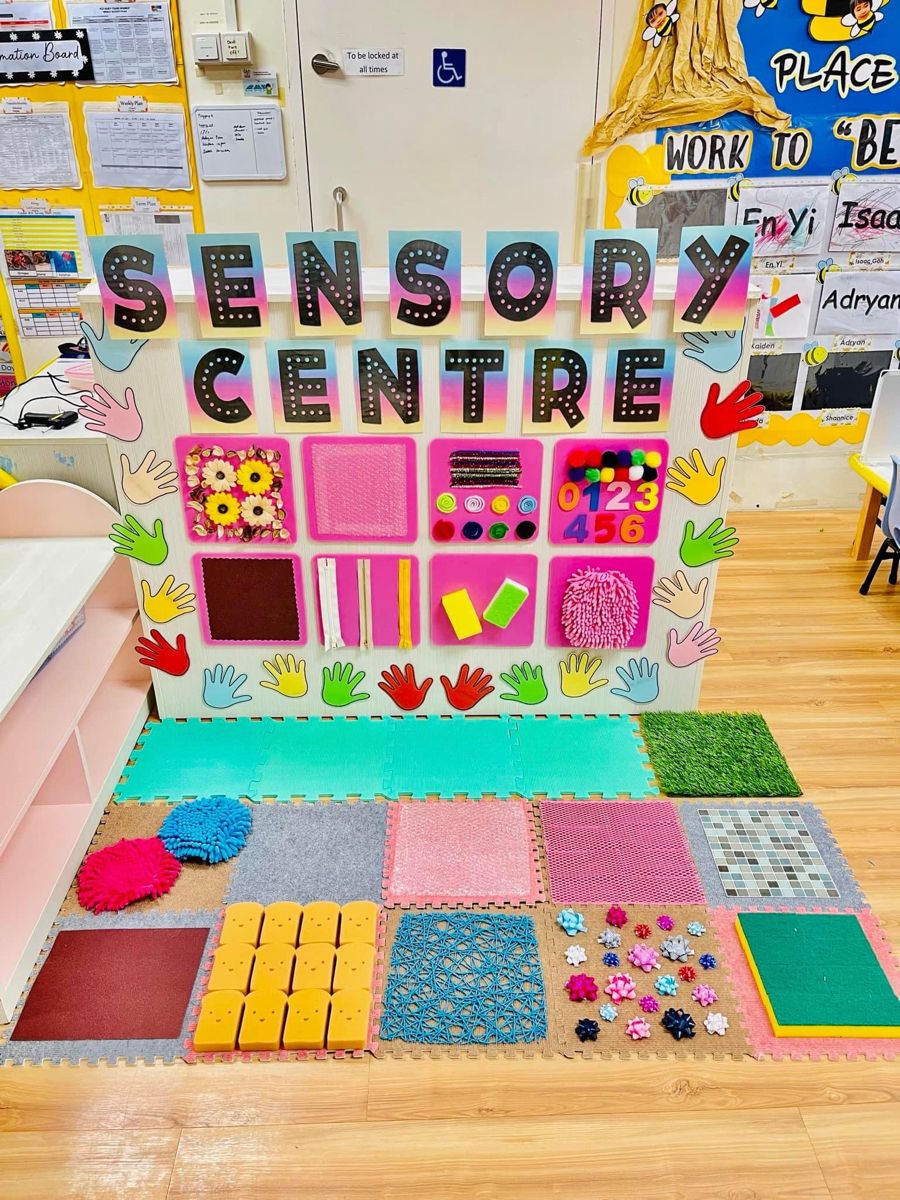
Environmental modifications can also play a pivotal role. For individuals who self-injure due to sensory overload, creating a low-stimulation space can be transformative. This might involve reducing fluorescent lighting, introducing noise-canceling headphones, or providing weighted blankets to offer deep-pressure input. For others, structured routines and clear expectations can mitigate anxiety, reducing the likelihood of self-injury as a stress response. The key is to tailor the environment to the individual’s needs, rather than forcing them to adapt to an environment that feels hostile.
Alternative communication tools are another critical component. For nonverbal autistic individuals, augmentative and alternative communication (AAC) devices, sign language, or picture exchange systems can provide a lifeline. These tools empower individuals to express their needs, frustrations, and desires without resorting to self-injury. Similarly, teaching coping skills—such as deep breathing, stimming in a controlled manner, or using fidget tools—can offer healthier outlets for emotional regulation.
It’s also essential to address co-occurring conditions, such as anxiety or depression, through therapy or medication when appropriate. Cognitive-behavioral therapy (CBT) adapted for autism can help individuals reframe negative thought patterns and develop healthier coping mechanisms. Meanwhile, medication—such as SSRIs or atypical antipsychotics—may be considered in cases where neurochemical imbalances contribute to self-injury. However, medication should always be approached with caution, as autistic individuals may respond differently to pharmaceutical interventions.
The Role of Caregivers: Nurturing Connection Over Control
Caregivers play a pivotal role in shaping the trajectory of self-injurious behavior. Their responses can either escalate or de-escalate the situation, making it imperative to approach each incident with calm and compassion. Punitive measures, such as time-outs or physical restraints, often exacerbate distress, reinforcing the cycle of self-injury rather than breaking it. Instead, caregivers should focus on providing comfort, validating emotions, and offering reassurance. Sometimes, simply sitting with the individual—without judgment or pressure—can be the most powerful intervention.
Education is another cornerstone of effective caregiving. Parents, teachers, and support staff must be equipped with the knowledge and tools to understand autism and self-injury. Workshops, support groups, and access to specialists can empower caregivers to respond thoughtfully rather than reactively. It’s also crucial for caregivers to prioritize their own well-being, as burnout can impair their ability to provide consistent, compassionate care. Respite services, therapy, and peer support can help caregivers sustain their energy and patience.
Moreover, caregivers should advocate for systemic changes that foster inclusivity and accessibility. Schools, workplaces, and communities must be designed with neurodiversity in mind, reducing the barriers that contribute to self-injury. This might involve training staff in trauma-informed care, implementing sensory-friendly policies, or providing quiet spaces for individuals to retreat when overwhelmed. True progress begins when society stops demanding that autistic individuals change to fit in, and instead begins to change to accommodate them.

Redefining Success: Celebrating Small Victories
In a culture that often equates success with compliance or conformity, it’s easy to lose sight of the incremental progress that truly matters. For autistic individuals who engage in self-injury, success might not look like the absence of the behavior, but rather a reduction in frequency, an increase in alternative coping strategies, or a growing ability to communicate needs without resorting to harm. It’s a journey of tiny, hard-won victories—days when the world feels a little less overwhelming, moments when the need to self-injure fades into the background.
It’s also important to celebrate the successes of caregivers and professionals who commit to this work. The path is not linear, and setbacks are inevitable. Yet every time an individual finds a new way to express themselves, every time a caregiver responds with patience instead of frustration, every time a community becomes a little more inclusive, progress is made. These are the milestones that deserve recognition—not the absence of self-injury, but the presence of understanding, connection, and growth.
Ultimately, addressing self-injurious behavior in autism is about more than managing symptoms; it’s about reimagining the relationship between autistic individuals and the world around them. It’s about creating spaces where they feel seen, heard, and valued—not in spite of their differences, but because of them. It’s about recognizing that self-injury is not a flaw to be fixed, but a signal to be understood. And when we listen, truly listen, we open the door to transformation—not just for the individual, but for society as a whole.
In the end, the goal is not to silence the screams, but to uncover their meaning. It is to replace restraint with relationship, punishment with compassion, and isolation with connection. Only then can we begin to heal—not just the behaviors, but the underlying wounds that give them life.