Autism and Restraint: Ethical and Safe Practices
In the labyrinth of neurodiversity, where every mind weaves its own unique tapestry of perception, the specter of restraint looms like a shadow over the well-intentioned. For decades, physical interventions have been wielded as a blunt instrument in the management of autistic behaviors, often under the guise of safety or control. Yet, the ethical quagmire of such practices demands a seismic shift in perspective—one that prioritizes human dignity over coercion, and compassion over constraint. This exploration is not merely an indictment of outdated methods but a clarion call for a future where restraint is not the first resort but the last, and even then, a fleeting shadow rather than a lingering presence.
The conversation around autism and restraint is fraught with complexity, a Gordian knot of medical necessity, ethical ambiguity, and emotional resonance. To untangle it, we must first confront the uncomfortable truth: restraint, in any form, is a violation of bodily autonomy. It is a paradox that those who seek to protect often become the architects of harm, wielding tools of control under the banner of care. Yet, the reality is nuanced. There are moments when restraint may be the only recourse in a crisis, a temporary measure to prevent harm to the individual or others. The challenge lies not in the act itself but in the intention behind it, the frequency of its use, and the alternatives that remain unexplored.

Consider the concept of trauma-informed care, a paradigm that recognizes the deep scars left by coercive interventions. Autistic individuals, particularly those who have experienced repeated restraint, often carry the weight of these experiences long after the physical grip has loosened. The psychological toll is immeasurable—heightened anxiety, erosion of trust, and a pervasive sense of vulnerability. To move forward, we must dismantle the notion that restraint is an inevitable part of autism care. Instead, we must embrace a model where prevention is paramount, and every interaction is infused with empathy and understanding.
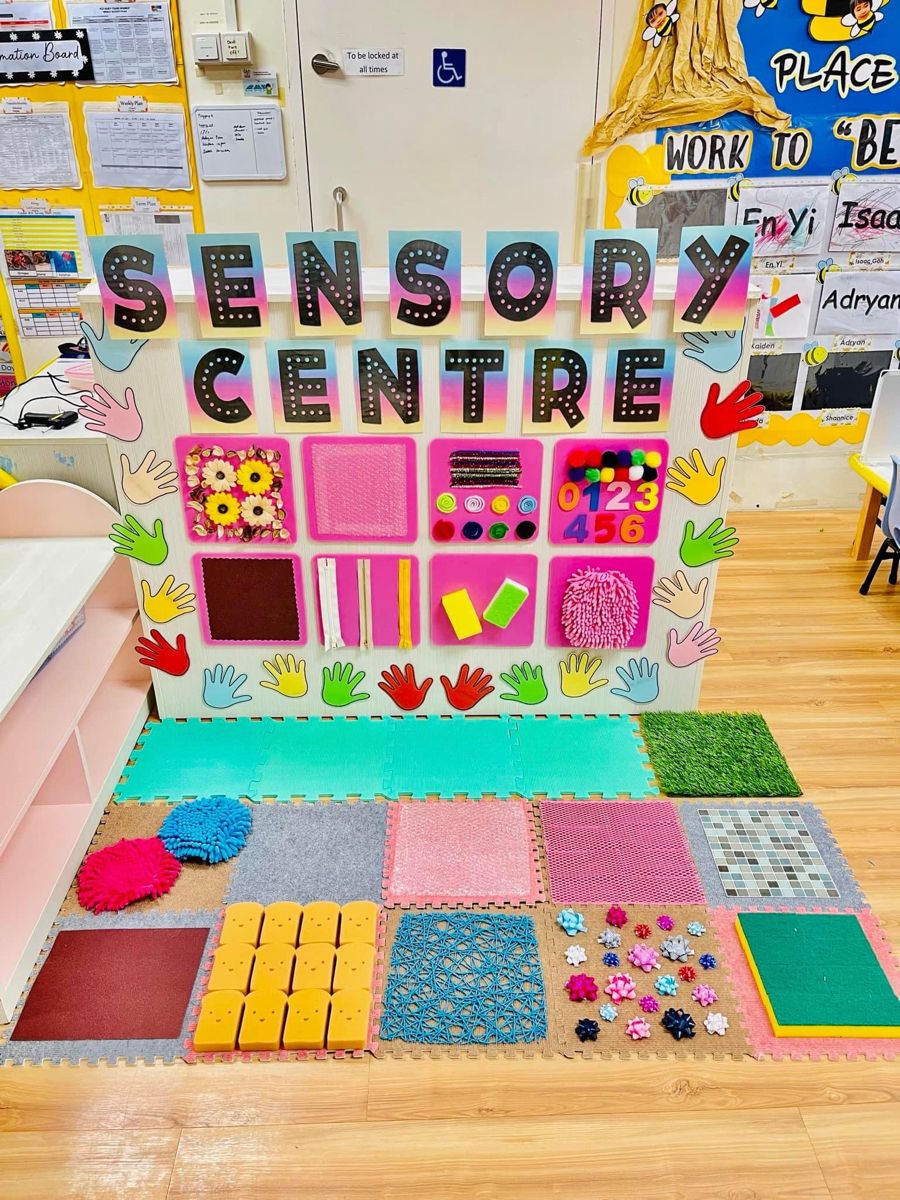
At the heart of this transformation lies the principle of least restrictive intervention. This approach demands that caregivers and professionals exhaust all other options before considering restraint. It is a philosophy that prioritizes de-escalation, environmental modifications, and proactive strategies over reactive measures. For instance, sensory overload is a common trigger for distress in autistic individuals. By creating calm, predictable environments—spaces free from overwhelming stimuli—we can preemptively address the root causes of agitation. Similarly, teaching coping mechanisms, such as deep pressure input or quiet retreat areas, empowers individuals to self-regulate before reaching a crisis point.
The ethical implications of restraint extend beyond the immediate act. They ripple through the fabric of trust between autistic individuals and their caregivers, eroding the foundation of therapeutic relationships. When restraint becomes a routine response, it sends a message: your distress is not valid, your autonomy is negotiable. This is a message that lingers, shaping how autistic individuals perceive their own agency. To counter this, we must adopt a stance of collaborative care, where the autistic person’s voice is not just heard but central to decision-making. Their insights into their own needs, triggers, and coping mechanisms are invaluable in crafting interventions that are not only safe but also respectful.

Yet, even with the best intentions, crises may arise. In these moments, the focus must shift to humane restraint—techniques that minimize harm, respect dignity, and prioritize the individual’s well-being. Humane restraint is not about control; it is about containment, a temporary measure to ensure safety while allowing the individual to regain composure. It requires training in trauma-sensitive techniques, where the goal is not to subdue but to support. Professionals must be equipped to recognize the signs of escalating distress, to intervene with calm and clarity, and to disengage as soon as safety is restored.
The conversation must also extend to the broader societal structures that perpetuate the use of restraint. Policies and protocols often lag behind the evolving understanding of autism, clinging to outdated practices out of habit or fear. Advocacy is essential in challenging these norms, in pushing for regulations that limit the use of restraint to absolute necessity. Training programs for caregivers and professionals must be overhauled to emphasize alternatives, to instill a culture of prevention and empathy. Only through systemic change can we hope to shift the narrative from one of control to one of care.
Consider the story of a young autistic boy who, after years of experiencing restraint in school, began to associate physical touch with fear. His once-vibrant personality dimmed, replaced by a guarded silence. It was not until his parents advocated for a sensory-friendly classroom, complete with noise-canceling headphones and a quiet corner, that he began to re-emerge. His transformation was not instantaneous, but it was profound. He learned to communicate his needs, to seek out the tools that helped him regulate, and to trust that his caregivers were allies, not adversaries. This is the power of ethical practice—a shift from suppression to support, from fear to trust.
For those who remain skeptical, consider the financial and emotional cost of restraint. The cycle of crisis and intervention is not sustainable. It drains resources, exhausts caregivers, and leaves autistic individuals in a state of perpetual vigilance. By investing in prevention—through training, environmental adaptations, and collaborative care—we can break this cycle. The savings, both tangible and intangible, are immeasurable. More importantly, we honor the inherent worth of every autistic individual, recognizing that their right to dignity is not contingent on their behavior.

The path forward is not without its challenges. It requires a collective reimagining of autism care, one that challenges long-held assumptions and embraces innovation. It demands that we confront our own biases, that we question the status quo, and that we prioritize the humanity of autistic individuals above all else. This is not a call for perfection but for progress—a steady, unwavering commitment to doing better, to being better.
In the end, the ethical use of restraint is not about the absence of control but the presence of compassion. It is about recognizing that every autistic individual, regardless of their challenges, deserves to be seen, heard, and respected. The shift in perspective we seek is not a distant ideal but a tangible reality, one that begins with each of us—caregivers, professionals, and advocates alike. Together, we can forge a future where restraint is a relic of the past, and care is the cornerstone of every interaction.