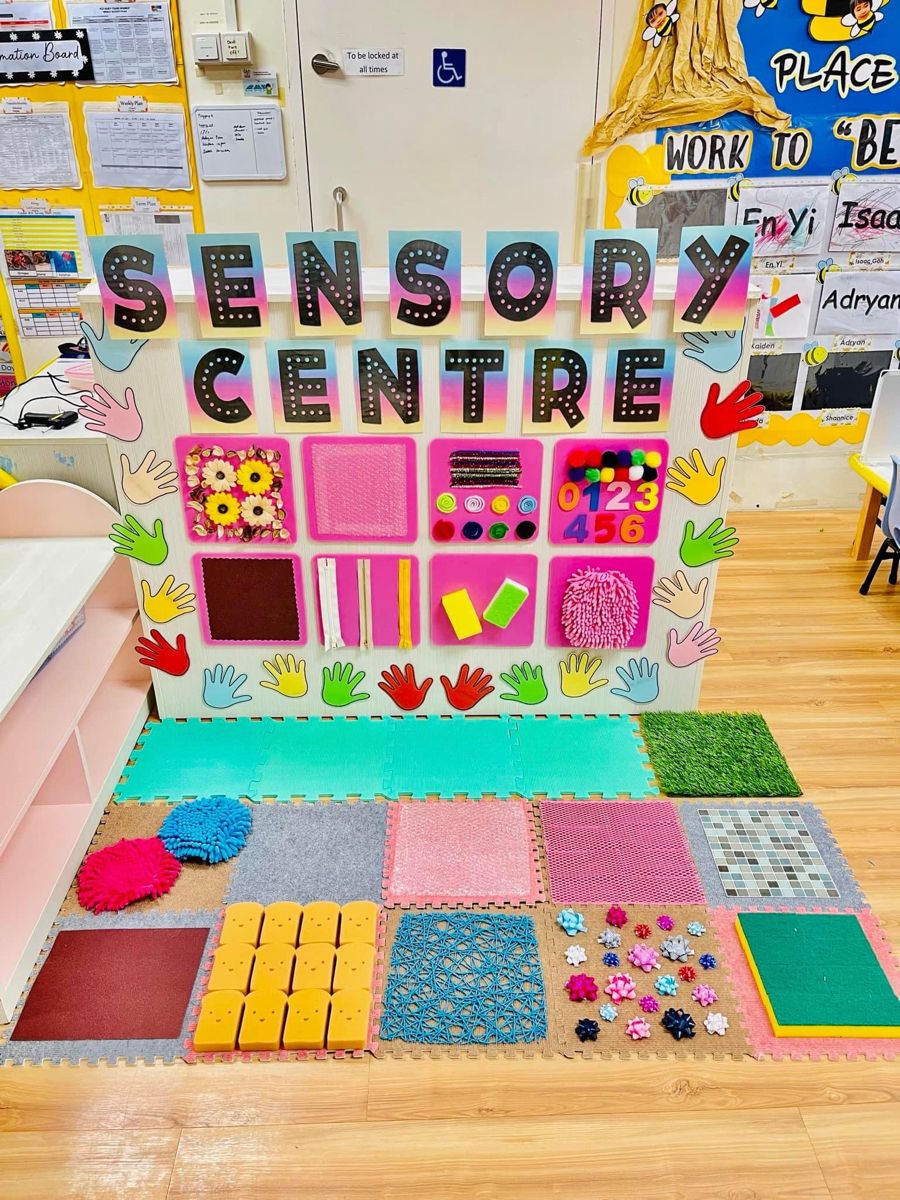
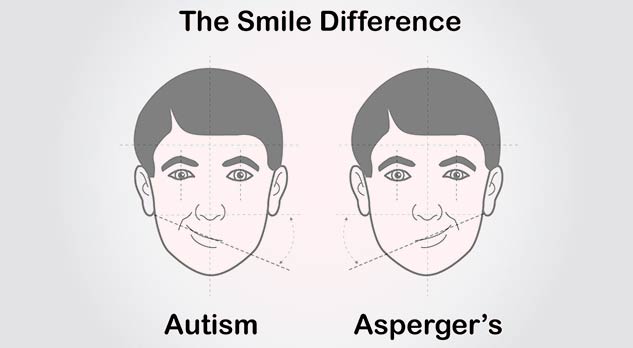
In the labyrinth of the human experience, where the mind often races ahead like a chariot pulled by wild horses, and the body lags behind like a reluctant traveler, there exists a sanctuary—yoga. For individuals navigating the intricate pathways of autism, this sanctuary becomes more than a practice; it transforms into a bridge, a sanctuary, a whisper of harmony between mind, body, and spirit. Autism, with its spectrum of experiences, can sometimes feel like living in a world of fragmented echoes, where sensory inputs clash like cymbals in a storm. Yet, within the gentle folds of yoga, there lies an unexpected solace, a rhythm that synchronizes the discordant notes into a melody of balance and presence.
The union of autism and yoga is not merely a juxtaposition of two distinct concepts; it is a symphony of reconnection. Imagine the mind as a vast ocean, its waves sometimes turbulent, sometimes still, and the body as the shore, alternately battered by the tides or caressed by the gentle lapping of water. Yoga, in this metaphor, becomes the lighthouse—steady, unwavering—guiding the individual toward calmer waters. For those with autism, who may experience the world with heightened sensitivity or, conversely, a profound stillness, yoga offers a scaffold to navigate the ebb and flow of existence with grace.
The Body as a Compass: Grounding Through Movement
In the realm of autism, the body often serves as both a compass and a compass needle, pointing toward discomfort or calm with unerring precision. Yoga, with its emphasis on somatic awareness, becomes a language through which the body communicates its needs. Poses like Mountain Pose (Tadasana) or Child’s Pose (Balasana) are not merely physical postures; they are invitations to listen—to the weight of the feet on the earth, the rise and fall of the breath, the subtle tremors of muscles adjusting to balance. For someone with autism, who may feel adrift in a sea of sensory overload, these poses act as anchors, tethering the mind to the present moment.
Consider the Tree Pose (Vrksasana), where one stands on a single leg, arms outstretched like branches. To the uninitiated, it may seem like a test of balance, but to the autistic individual, it is a lesson in resilience. The wobbling, the adjustments, the eventual stillness—each movement is a dialogue between the body and the mind. It teaches patience, not as a virtue to be forced, but as a natural outcome of surrendering to the body’s wisdom. In this way, yoga becomes a silent teacher, its lessons unfolding not through words, but through the quiet language of sensation.

The Breath as a Lighthouse: Illuminating the Path to Calm
If the body is the compass, then the breath is the lighthouse—its beam cutting through the fog of anxiety, its steady glow a beacon in the storm. For individuals with autism, the breath can be a lifeline, a tool to navigate the choppy waters of emotional turbulence. Pranayama, the practice of breath control in yoga, offers a palette of techniques to regulate the nervous system. Nadi Shodhana (Alternate Nostril Breathing), for instance, is not just a breathing exercise; it is a balm for the overstimulated mind, a way to harmonize the left and right hemispheres of the brain, often described as the logical and intuitive halves.
Imagine the breath as a river, its currents sometimes swift and turbulent, other times slow and meandering. Pranayama teaches one to navigate these currents with intention. For someone with autism, who may experience emotions as overwhelming waves, the breath becomes a rudder, allowing them to steer through the deluge without capsizing. The Ujjayi Breath, with its gentle oceanic sound, is particularly resonant—its rhythm mimics the ebb and flow of the tide, grounding the practitioner in the present moment. In this way, the breath is not merely a physiological function; it is a sacred rhythm, a metronome setting the pace for the symphony of the self.
The Mind as a Garden: Cultivating Presence Through Meditation
In the garden of the mind, thoughts bloom like wildflowers—some vibrant and nourishing, others invasive and choking. For individuals with autism, the mind can feel like an overgrown thicket, dense with unfiltered stimuli and relentless self-talk. Yoga meditation, particularly Dhyana, offers a way to prune this garden, to cultivate a space where clarity can take root. Meditation is not about silencing the mind, but about observing it with the same tenderness one might use to tend a delicate plant.
Consider the practice of Trataka, a yogic technique of gazing at a single point, such as a candle flame. To the autistic individual, who may struggle with the chaos of a wandering mind, Trataka is a focal point—a stillness in the storm. It teaches the art of concentration, not as a forced discipline, but as a natural extension of curiosity. The mind, like a restless bird, flits from thought to thought, but with practice, it learns to perch, to observe, to rest. In this way, meditation becomes a sanctuary, a place where the mind can exhale, where the fragments of thought coalesce into a cohesive whole.

The Spirit as a Phoenix: Rising from the Ashes of Overwhelm
Autism is not a limitation; it is a different lens through which the world is perceived, a lens that can refract light into kaleidoscopic beauty or distort it into a maze of confusion. Yoga, with its emphasis on the spiritual dimension, offers a way to transmute these distortions into wisdom. The spirit, in this context, is not an abstract concept but a living force—a phoenix that rises from the ashes of overwhelm, its wings forged in the fire of self-acceptance.
The practice of Yoga Nidra, or yogic sleep, is particularly transformative for individuals with autism. It is a state between wakefulness and sleep, a liminal space where the body rests and the mind processes. For someone who may feel trapped in a cycle of hyperarousal or shutdown, Yoga Nidra is a sanctuary—a place to reset, to recalibrate. It is not about achieving a specific state, but about surrendering to the natural rhythm of the self. In this surrender, the spirit finds its voice, not as a shout, but as a whisper of resilience.
The metaphor of the phoenix is apt, for the journey of autism and yoga is one of rebirth. Each pose, each breath, each moment of stillness is a feather in the wings of this mythical bird. The challenges of autism—sensory sensitivities, social nuances, emotional storms—become the fuel for this ascent. The spirit, once weighed down by the gravity of these experiences, learns to soar, not despite its differences, but because of them.
The Community as a Tapestry: Weaving Connections Through Shared Practice
Yoga is often perceived as a solitary practice, a journey inward. Yet, for individuals with autism, the communal aspect of yoga can be equally transformative. In a group setting, the practice becomes a tapestry—each participant a thread, their unique energies weaving together to create a larger pattern. The shared breath, the synchronized movements, the collective stillness—all of these elements foster a sense of belonging, a reminder that one is not alone in their journey.
Adapted yoga classes, designed with sensory sensitivities in mind, offer a space where individuals with autism can explore the practice without fear of judgment. The use of props, dim lighting, and calming music creates an environment that is both stimulating and soothing. In this space, the act of moving together becomes a silent conversation, a way to communicate without words. The community, then, is not just a backdrop to the practice; it is an integral part of the healing process.
Consider the image of a group of people seated in a circle, their hands resting on their hearts in Anjali Mudra, a gesture of honor and respect. In this moment, the boundaries between self and other dissolve. The individual with autism, who may struggle with social cues, finds a language of connection in the shared rhythm of the practice. The community becomes a mirror, reflecting back not judgment, but acceptance—a reflection of the spirit’s inherent worth.
Autism and yoga are not a cure, nor are they a panacea. They are, instead, a dialogue—a conversation between the self and the world, mediated by the body, the breath, the mind, and the spirit. In this dialogue, there is no need for perfection, no requirement for silence or stillness. There is only the invitation to be present, to listen, to move, to breathe, to exist. For the individual with autism, yoga is not just a practice; it is a homecoming—a return to the body, to the breath, to the self. And in that homecoming, there is a quiet revolution: the realization that one is not broken, but whole; not lost, but found.