Grief is a silent storm that rages within us, reshaping the landscape of our emotions with each passing wave. For autistic individuals, this storm can feel even more tumultuous, as the very nature of loss and change may intersect with a world that doesn’t always accommodate their unique ways of processing. Yet, within this turbulence lies an opportunity—not just to endure, but to evolve. Autism and grief are not incompatible; they are two threads in the same tapestry, woven together in ways that demand both resilience and reflection. This article explores the intricate dance between autism and grief, offering strategies to navigate loss with clarity and even curiosity, transforming what feels like an ending into a beginning of something unexpected.

The Duality of Loss: How Autism Shapes Grief
Grief is not a monolith; it is a mosaic of emotions, each piece as unique as the individual experiencing it. For autistic individuals, grief may manifest in ways that defy conventional expectations. The absence of tears or outward displays of sorrow does not equate to a lack of feeling—rather, it may reflect a deeply internalized process. Autistic people often experience emotions with an intensity that is both profound and isolating, as if their grief is a language spoken only to themselves. Routines, once a source of comfort, can become fragile threads in the fabric of their world, unraveling with the slightest disruption. A change in schedule, the loss of a familiar environment, or the absence of a loved one can trigger a cascade of emotions that feels overwhelming, not because they are weak, but because their emotional landscape is so vividly detailed.
Moreover, the social expectations surrounding grief can feel like a foreign script. While neurotypical individuals might find solace in shared rituals—funerals, eulogies, or communal mourning—autistic individuals may struggle to navigate these spaces. The performative aspects of grief can feel hollow, even suffocating, when their own expressions of loss are so deeply personal. This disconnect can lead to a sense of alienation, as if their grief is invisible to the world around them. Yet, this invisibility is not a flaw; it is a testament to the complexity of their emotional world, one that deserves recognition and respect.
The Paradox of Change: When Stability Becomes a Crutch
Change is the one constant in life, yet for autistic individuals, it is often the most destabilizing force. The loss of a routine, a familiar face, or a predictable environment can feel like an earthquake, shaking the very foundation of their sense of security. This is not a matter of stubbornness or resistance; it is a survival mechanism. Predictability is not a preference—it is a necessity, a way to mitigate the sensory and emotional overload that the world often imposes. When change occurs, it is not merely an inconvenience; it is a rupture in their carefully constructed world, one that demands time and patience to mend.
Yet, within this paradox lies a profound truth: change, though painful, can also be a catalyst for growth. The disruption of a routine can open the door to new experiences, new ways of seeing the world. Autistic individuals may find that their grief, though initially overwhelming, becomes a lens through which they can reframe their understanding of loss. It is not about erasing the past, but about integrating it into a new narrative—one that acknowledges both the pain and the possibility of renewal. This shift in perspective requires courage, but it also offers a rare opportunity to redefine resilience on their own terms.
.png)
Sensory Overload and Emotional Resonance: Navigating the Storm
The sensory world is a minefield for autistic individuals, and grief only amplifies its intensity. A crowded room, a loud noise, or even the texture of clothing can become unbearable in moments of deep sorrow. This sensory overload is not a distraction from grief; it is an integral part of it. The brain, already overwhelmed by loss, struggles to filter out the extraneous noise, leaving little room for the processing of emotions. This can lead to a cycle of frustration, where the individual feels trapped between their internal turmoil and the external world’s inability to accommodate their needs.
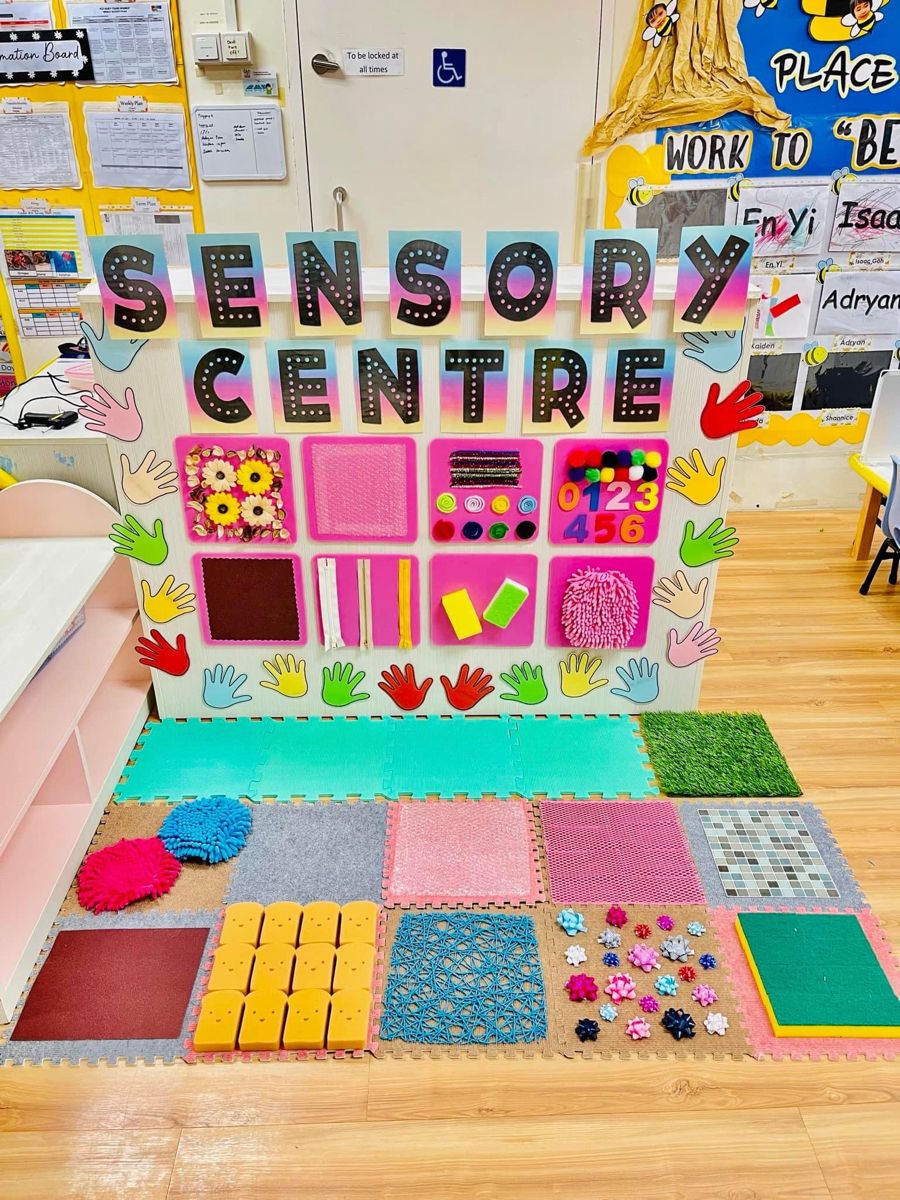
To navigate this storm, autistic individuals must become architects of their own coping mechanisms. This might mean creating a sensory-friendly space where they can retreat, surrounded by familiar textures, soft lighting, and calming sounds. It might mean using tools like weighted blankets, noise-canceling headphones, or fidget objects to ground themselves in the present moment. These strategies are not mere distractions; they are lifelines, allowing the individual to regulate their emotions and find a semblance of control in a world that feels increasingly chaotic. The key is to recognize that these tools are not signs of weakness, but of profound self-awareness and adaptability.
The Language of Loss: Finding Your Voice in Grief
Grief is often described as a journey, but for autistic individuals, it can feel more like an expedition into uncharted territory. The language of loss is not always spoken in words; it is expressed through art, music, movement, or even silence. Autistic individuals may find that traditional forms of communication—verbal expressions of sorrow, shared stories, or condolence cards—feel inadequate or even alienating. This does not mean they do not feel grief; it means they experience it in a language all their own.
Encouraging autistic individuals to explore alternative forms of expression can be transformative. Drawing, painting, or sculpting can provide a tangible outlet for emotions that feel too vast to articulate. Music, whether through listening or creating, can offer a rhythm to the chaos, a way to process grief in a structured yet deeply personal manner. Even movement—dancing, pacing, or rocking—can serve as a physical manifestation of emotional release. These forms of expression are not just coping mechanisms; they are acts of defiance, reclaiming agency in a world that often demands conformity.
It is also important to recognize that grief does not follow a linear path. There is no “right” way to mourn, no timeline to adhere to. Autistic individuals may revisit their grief in waves, long after the initial loss, as new triggers or memories resurface. This is not a regression; it is a natural part of the healing process. The goal is not to “get over” grief, but to learn to live with it, to find a way to carry it without being crushed by its weight.
Building Bridges: Support Systems That Honor Individuality
Grief is not meant to be carried alone, but the support systems available to autistic individuals are often ill-equipped to meet their needs. Traditional grief counseling, with its reliance on verbal processing and social interaction, can feel like a foreign land. Yet, this does not mean that support is out of reach. The key lies in finding—or creating—spaces where autistic individuals can grieve on their own terms.
This might mean seeking out therapists who specialize in neurodiversity-affirming care, who understand that grief is not a one-size-fits-all experience. It might mean joining support groups specifically for autistic individuals, where shared experiences create a sense of belonging without the pressure to conform to neurotypical expectations. It might even mean turning to online communities, where the anonymity of the digital world allows for a level of honesty and vulnerability that in-person interactions may not afford.
For caregivers and loved ones, the challenge is to listen without imposing expectations. It is not about fixing the grief, but about bearing witness to it. This means validating emotions without judgment, even if they are expressed in ways that are unfamiliar or uncomfortable. It means creating a safe space where the autistic individual feels seen, not just in their grief, but in their entire being. This kind of support is not a quick fix; it is a long-term commitment to understanding and acceptance.

The Alchemy of Grief: Transforming Pain into Purpose
There is a quiet magic in grief, a transformative power that can reshape an individual’s understanding of themselves and the world. For autistic individuals, this alchemy is not about erasing the pain, but about transmuting it into something new. It might be a deeper empathy for others who are struggling, a renewed appreciation for the small joys in life, or even a creative outlet that brings meaning to their experiences. Grief, though devastating, can also be a catalyst for profound personal growth.
This transformation does not happen overnight. It is a gradual process, one that requires patience, self-compassion, and a willingness to embrace the unknown. It is about finding beauty in the cracks, the spaces where pain and healing intersect. For autistic individuals, this journey may be uniquely their own, but it is no less valid or powerful. In fact, their neurodivergent perspective may offer insights into grief that neurotypical individuals have yet to consider.
The promise of this transformation lies not in the absence of grief, but in the ability to carry it with grace. It is about learning to dance with the storm, rather than fighting against it. It is about finding light in the darkness, not by ignoring the pain, but by allowing it to illuminate new paths. This is the true essence of resilience—not the absence of struggle, but the courage to navigate it with authenticity and strength.
Grief is not the end of the story; it is a chapter, one that can be rewritten with time, patience, and self-compassion. For autistic individuals, this journey may be fraught with challenges, but it is also filled with opportunities—for growth, for connection, and for a deeper understanding of what it means to heal. The storm will come, as it always does. But within its chaos lies the potential for something extraordinary: a life that is not defined by loss, but enriched by it.