The intricate relationship between autism and sensory processing is a subject of both growing research and deep interest within neurodiverse communities. Among the various sensory challenges faced by individuals on the autism spectrum, noise sensitivity stands out as a particularly pervasive and impactful issue. This heightened auditory responsiveness not only affects daily experiences but also influences emotional regulation and social interaction. Exploring the nuances of noise sensitivity in autism reveals a complex interplay of neurology, environment, and coping mechanisms that can significantly improve quality of life when properly understood.
Understanding Noise Sensitivity in Autism
Noise sensitivity, often termed hyperacusis or auditory defensiveness, manifests as an amplified reaction to sound stimuli that neurotypical individuals might find benign. For many autistic adults, seemingly mundane environmental noises—such as the hum of a refrigerator, the clatter of dishes, or the sudden bark of a dog—can evoke intense discomfort or even distress. This sensitivity stems from atypical sensory processing pathways in the brain, where auditory information is perceived with increased salience.
Scientists hypothesize that this heightened sensitivity may be linked to differences in neural connectivity and brain region activation. Specifically, areas involved in filtering sensory input and emotional response, such as the amygdala and auditory cortex, may function differently in individuals with autism. As a result, sounds that are innocuous or background noise for many can be overwhelming, triggering anxiety, irritability, or withdrawal.

Beyond the neurological underpinnings, emotional experiences linked to noise sensitivity often exacerbate difficulties. For many, unexpected loud sounds can induce startle responses or provoke sensory overload that impedes concentration and engagement, affecting daily functionality across home, work, and social environments.
Identifying Different Types of Noise Sensitivity
Noise sensitivity is not a monolith; it encompasses a spectrum of auditory challenges with distinct characteristics. Some individuals exhibit selective sound intolerance, reacting predominantly to specific frequencies or types of noises, such as high-pitched alarms or repetitive mechanical sounds. Others experience a broad, pervasive hyperresponsiveness to most auditory stimuli, struggling to filter even moderate background noise.
Another consideration is the temporal aspect of noise sensitivity. Certain individuals endure heightened responses only during particular times of day or when cognitively fatigued, revealing a dynamic relationship between sensory perception and overall neurological state. Furthermore, co-occurring conditions like anxiety or attention deficit hyperactivity disorder (ADHD) can compound noise sensitivity, making personalized approaches essential.
The Impacts of Noise Sensitivity on Daily Life
Noise sensitivity can profoundly shape everyday experiences and lifestyle decisions. In educational settings, children with autism may find classrooms overwhelming, impeding their ability to focus and absorb information. Adults may avoid social gatherings or public places due to unpredictable auditory environments. These challenges often contribute to social isolation, stress, and reduced access to community resources.
On a psychological level, persistent exposure to distressing noises can fuel anxiety, irritability, and even depressive symptoms. The unpredictability of sudden noises can lead to hypervigilance, wherein individuals remain in a constant state of alertness, further depleting cognitive and emotional reserves. Understanding these consequences emphasizes the necessity for effective coping strategies tailored to each person’s needs.

Effective Coping Strategies for Noise Sensitivity
Mitigating the challenges of noise sensitivity requires a multidisciplinary and person-centered approach. Below are some widely recognized methods that can help individuals manage auditory overload and improve their functional capacity:
1. Environmental Modifications
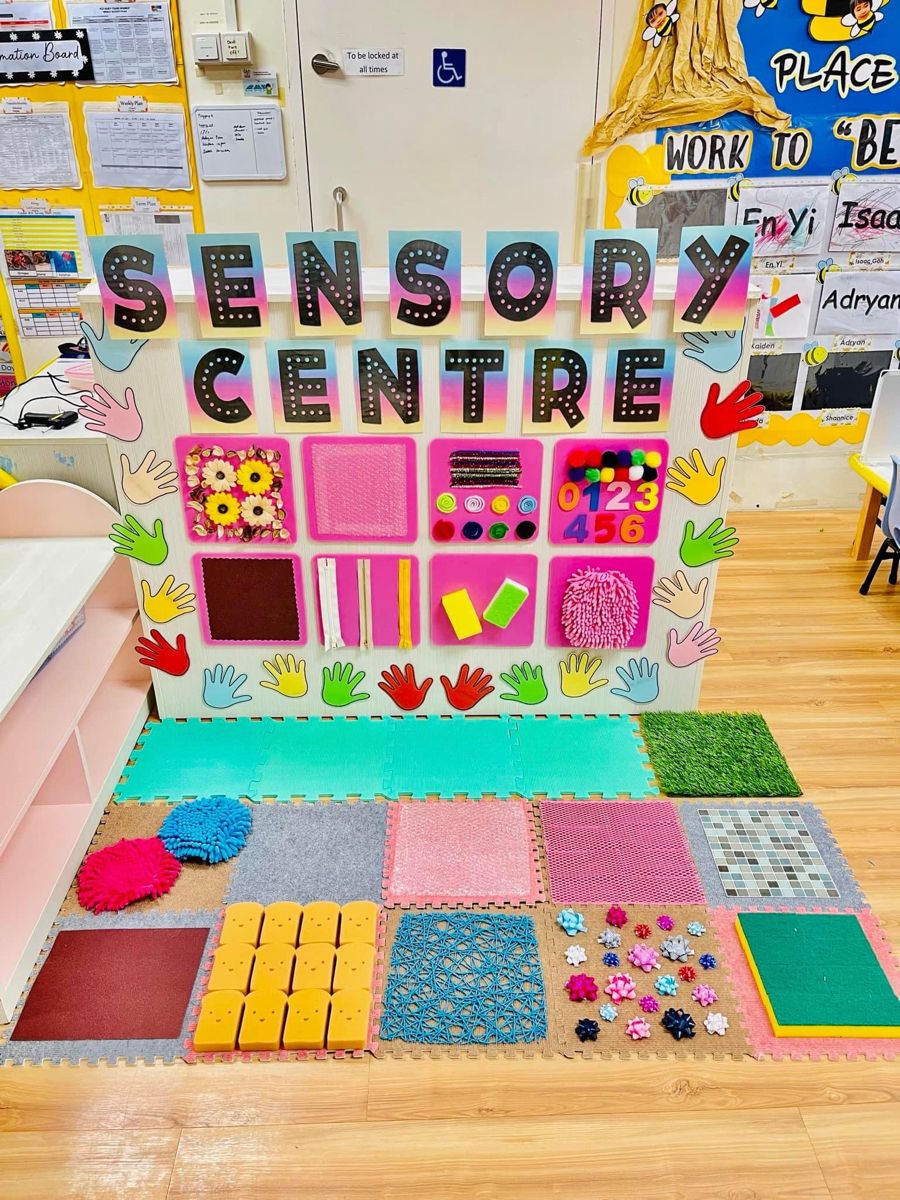
Creating quiet zones or minimizing background noise in living and working spaces can dramatically reduce distress. Soft furnishings, soundproofing installations, and strategic use of curtains and carpets absorb excess noise. Additionally, planning ahead to avoid noisy environments or peak noise hours can help maintain sensory equilibrium throughout the day.
2. Use of Auditory Aids
Noise-cancelling headphones or earplugs serve as tangible aids for filtering or dampening offending sounds. These tools empower individuals to control their auditory environment actively. Some also use white noise machines, which generate consistent, soothing sounds that mask disruptive auditory stimuli and facilitate concentration or relaxation.
3. Sensory Integration Therapy
Conducted by occupational therapists, sensory integration therapy aims to gradually desensitize individuals to certain sounds through controlled exposure. This therapeutic process can recalibrate sensory responsiveness, reduce anxiety associated with noise, and foster greater resilience. Success often depends on consistent practice and customized protocols.
4. Psychological and Behavioral Interventions
Techniques such as cognitive-behavioral therapy (CBT) and mindfulness meditation can be instrumental in managing the emotional responses linked to noise sensitivity. These interventions teach coping skills, emotional regulation, and stress reduction strategies that bolster overall well-being. They help individuals reframe their experience of noise and develop adaptive responses.
5. Advocacy and Communication
Open communication with family, peers, employers, and educators about noise sensitivity is crucial. Advocacy for accommodations—like quiet workspaces, extended test times, or flexible scheduling—facilitates inclusivity and reduces sensory burdens. Building awareness amongst community members fosters empathy and practical support.
Emerging Research and Future Directions
Innovations in neuroscience and technology continue to deepen the understanding of noise sensitivity in autism and improve intervention strategies. Research into neurofeedback and brain-computer interface (BCI) applications hints at future personalized treatments. Meanwhile, digital tools like smartphone apps designed for sensory tracking and management are gaining traction.
As scientific inquiry progresses, the emphasis on holistic, strength-based approaches prevails. Recognizing sensory differences not as deficits but as unique variations underscores a shift towards respectful and empowering frameworks that honor neurodiversity.
Conclusion
Noise sensitivity in autism is a multifaceted phenomenon that shapes not only sensory experiences but also psychological and social domains. Through a nuanced understanding of its neurological foundations and manifestations, effective coping strategies can be developed to mitigate discomfort and enhance quality of life. Environmental adjustments, therapeutic interventions, assistive technologies, and advocacy collectively form a robust toolkit for managing auditory challenges.
By embracing these approaches and fostering supportive communities, individuals with autism can navigate noise sensitivity with greater confidence and agency, ultimately fostering a world that respects sensory diversity as a core component of human experience.