
The intersection of autism and education is a landscape where conventional methods often fall short, leaving families and educators in search of alternatives that honor neurodiversity while fostering growth. Waldorf education, with its roots in anthroposophy and a profound respect for the individual’s developmental rhythm, emerges as a beacon of holistic care. Unlike traditional educational frameworks that prioritize standardization, Waldorf education weaves together artistic expression, nature immersion, and purposeful movement to create an environment where autistic children can thrive. This approach does not merely accommodate differences—it celebrates them, recognizing that each child’s path to learning is as unique as their fingerprint.
For parents navigating the complexities of autism, the promise of an education that aligns with their child’s innate sensitivities and strengths is both liberating and transformative. Waldorf schools, with their emphasis on rhythm, repetition, and reverence for the natural world, offer a sanctuary where sensory overload is mitigated, and emotional security is paramount. Here, the rigid structures of conventional classrooms dissolve into a tapestry of storytelling, handwork, and outdoor exploration, allowing autistic children to engage with the world on their own terms. The result is not just academic progress, but a nurturing of the whole child—mind, body, and spirit.
The Philosophy Behind Waldorf Education: A Sanctuary for Neurodiverse Learners
At the heart of Waldorf education lies a philosophy that views the child as a spiritual being in physical form, evolving through distinct developmental stages. This perspective is particularly resonant for autistic children, whose cognitive and emotional landscapes often defy linear progression. Waldorf educators approach autism not as a deficit to be corrected, but as a different mode of being that requires tailored support. The curriculum is designed to be flexible, allowing for the ebb and flow of a child’s focus and energy, which is especially beneficial for those with attention variations or sensory processing differences.
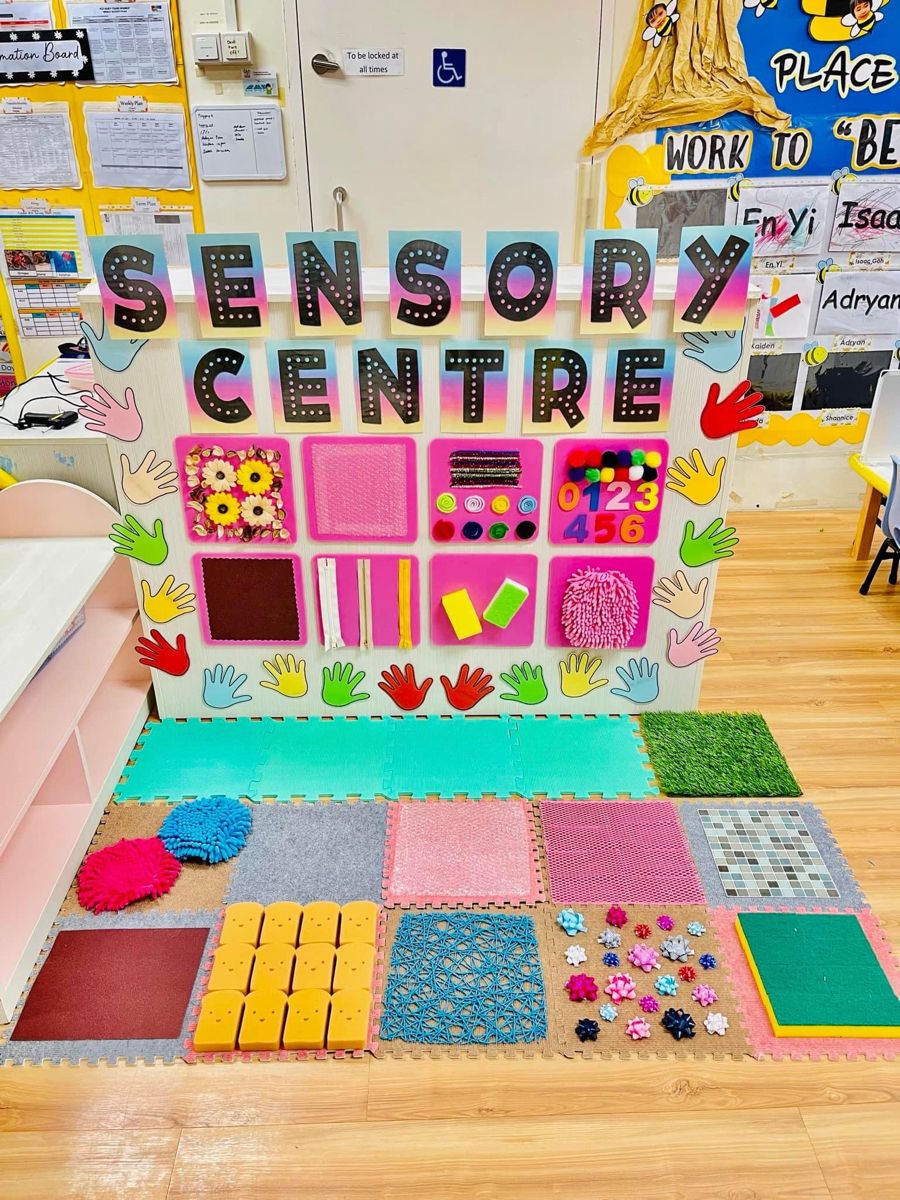
The role of the teacher in a Waldorf setting is akin to that of a gardener—tending to each child’s growth with patience and intuition. Lessons are not delivered in a one-size-fits-all manner; instead, they unfold through storytelling, which captivates the imagination and makes abstract concepts tangible. For autistic children who may struggle with direct instruction, this narrative-driven approach provides a bridge to understanding, as it speaks to their innate love of patterns and meaning. The classroom itself is a living entity, filled with natural materials like wooden blocks, beeswax crayons, and silk scarves, which engage the senses in a way that is both grounding and inspiring.
Moreover, the concept of rhythm in Waldorf education cannot be overstated. Autistic children often thrive in environments where predictability and structure are balanced with spontaneity. The daily and weekly rhythms of a Waldorf classroom—such as the repetition of verses, songs, and seasonal festivals—create a sense of safety and continuity. This rhythm extends to the academic year, where the curriculum spirals outward, revisiting and deepening concepts in a way that aligns with the child’s cognitive and emotional development. For a child with autism, this cyclical approach reduces anxiety and fosters a sense of mastery, as they revisit familiar themes with increasing complexity.
Artistic Expression as a Gateway to Communication and Connection
For autistic children, verbal communication can be a formidable challenge, but artistic expression offers a non-verbal language that transcends words. Waldorf education places a strong emphasis on the arts, integrating them into every facet of the curriculum. Whether through painting, clay modeling, or eurhythmy (a form of movement that combines music and gesture), children are encouraged to explore their inner world and communicate it outwardly. This is particularly transformative for non-speaking autistic children, who may find solace and expression in the tactile and visual arts.
Consider the child who struggles to articulate their emotions—clay becomes a vessel for their unspoken feelings, while watercolor allows them to externalize their perceptions of the world. In a Waldorf classroom, these artistic endeavors are not merely extracurricular activities; they are essential tools for learning and self-discovery. The process of creating is valued over the product, which alleviates the pressure that many autistic children feel in traditional academic settings. This freedom to explore without judgment fosters confidence and a sense of agency, empowering children to take ownership of their learning journey.
Additionally, the collaborative nature of many Waldorf artistic activities—such as group painting or choral singing—encourages social interaction in a low-pressure environment. Autistic children who may find face-to-face communication daunting can engage with peers through shared creative experiences, building connections that are rooted in mutual understanding rather than forced conformity. The arts, in this context, become a bridge between the inner and outer worlds, allowing autistic children to express themselves authentically while also developing the social skills they need to navigate the world around them.
Nature as a Healing Force: The Role of Outdoor Learning
There is a profound synergy between autism and nature, a connection that Waldorf education nurtures with intentionality. The natural world, with its ever-changing textures, sounds, and scents, provides a sensory-rich environment that can be both calming and stimulating for autistic children. Unlike the often-overwhelming sensory input of urban or institutional settings, nature offers a balanced array of stimuli that can be explored at one’s own pace. The rhythmic sounds of rustling leaves, the tactile experience of soil between fingers, and the visual spectacle of a sunset all serve as anchors for a child’s attention and a source of grounding.
Waldorf schools prioritize outdoor learning, incorporating it into daily routines through activities like gardening, nature walks, and seasonal festivals. For autistic children, these experiences can be transformative. The act of tending to a garden, for instance, teaches patience, responsibility, and the cycle of growth—lessons that are both practical and metaphorical. The unpredictability of nature, while initially challenging for some autistic children, also teaches adaptability and resilience. A sudden rain shower or a change in plans becomes an opportunity to observe, adapt, and find joy in the unexpected.
The benefits of nature immersion extend beyond sensory regulation. Studies have shown that exposure to green spaces can reduce stress and improve focus, both of which are critical for autistic learners. In a Waldorf setting, the classroom often spills outdoors, with lessons in botany, astronomy, or geography taking place beneath the open sky. This holistic approach ensures that learning is not confined to the four walls of a building but is instead a dynamic, living experience. For autistic children who may feel disconnected from their bodies or surroundings, nature provides a tangible connection to the world, fostering a sense of belonging and wonder.
Movement and Play: The Unspoken Language of Autistic Children
Movement is the first language of childhood, and for autistic children, it often remains a primary means of expression long after verbal communication has developed. Waldorf education recognizes this, weaving purposeful movement into the fabric of daily life through activities like eurhythmy, circle time dances, and outdoor play. These movements are not arbitrary; they are carefully designed to align with the child’s developmental stage and sensory needs, providing a structured outlet for energy and emotion.
For autistic children who may struggle with motor planning or coordination, the rhythmic and repetitive nature of Waldorf movement activities offers a sense of predictability and control. Eurhythmy, in particular, combines music, poetry, and gesture to create a harmonious flow that engages both the body and the mind. This practice can be especially beneficial for children with autism who experience challenges with proprioception or vestibular processing, as it helps to integrate sensory input and improve body awareness. The result is a child who is more grounded, focused, and capable of navigating the physical world with greater ease.
Play, too, is a cornerstone of Waldorf education, and it is approached with the same reverence as academic learning. In a traditional classroom, play might be relegated to recess or viewed as a reward for good behavior. In a Waldorf setting, however, play is an essential vehicle for learning, creativity, and social development. Autistic children often engage in play that is deeply imaginative, repetitive, or focused on specific interests—traits that are not only accepted but celebrated in Waldorf education. Whether building intricate structures with wooden blocks, creating elaborate narratives with handmade puppets, or engaging in sensory-rich play with natural materials, children are given the space to explore their passions and develop their unique strengths.
The social dynamics of play in a Waldorf classroom are also noteworthy. Unlike the competitive or rigidly structured play often found in conventional settings, Waldorf play is collaborative and open-ended. Autistic children are not pressured to conform to social norms but are instead encouraged to interact in ways that feel authentic to them. This might mean playing alongside peers without direct engagement, or it might mean leading a game that aligns with their interests. The emphasis is on connection rather than conformity, allowing autistic children to develop social skills at their own pace while still feeling valued and included.
Practical Considerations: Choosing a Waldorf Path for Autism
While the philosophical and practical benefits of Waldorf education for autistic children are compelling, the decision to enroll a child in such a program is not one to be made lightly. Parents must consider a variety of factors, from the availability of Waldorf schools in their area to the compatibility of the approach with their child’s specific needs. It is essential to visit potential schools, observe classrooms in action, and speak with educators about their experience working with neurodiverse learners. Not all Waldorf schools are alike, and some may be better equipped to support autistic children than others.
One practical consideration is the class size and teacher-to-student ratio. Waldorf classrooms often have smaller groups, which can be advantageous for autistic children who may require more individualized attention. Additionally, the multi-age structure of Waldorf classrooms—where children of different ages learn together—can foster a sense of community and mentorship, as older children model behaviors and younger children learn through observation. This structure also allows for a more flexible and responsive approach to each child’s developmental needs.
Another factor to consider is the school’s approach to technology. Waldorf education traditionally eschews screens in the early years, favoring hands-on, experiential learning. For autistic children who may be sensitive to overstimulation or who benefit from reduced screen time, this can be a significant advantage. However, parents should also consider how the school integrates technology in later years, particularly if their child has specific learning needs that may require assistive tools. A balanced approach, where technology is used intentionally and sparingly, can help bridge the gap between Waldorf principles and modern necessities.
Finally, parents should reflect on their own child’s temperament and learning style. While Waldorf education is a powerful fit for many autistic children, it may not be the right choice for every family. Some children thrive in more structured environments, while others may need additional therapeutic support alongside their academic learning. The key is to find a school that aligns with the child’s unique needs and the family’s values, ensuring that the educational journey is one of growth, joy, and fulfillment.

The journey of raising an autistic child is one of both challenges and profound rewards, a path that demands creativity, patience, and an unwavering commitment to seeing the child for who they are. Waldorf education offers a vision of learning that is as boundless as the child’s potential, where every quirk, every interest, and every challenge is met with curiosity and compassion. It is not a panacea, nor is it a one-size-fits-all solution. But for families seeking an educational approach that honors their child’s neurodiversity while nurturing their spirit, Waldorf education stands as a testament to the power of holistic, child-centered learning.
In a world that often measures success by standardized metrics, Waldorf education reminds us that the true measure of a child’s growth lies in their joy, their curiosity, and their ability to connect with the world in their own unique way. For autistic children, this approach can be transformative, offering a sanctuary where they are not just accommodated but celebrated. It is a reminder that education is not merely about filling a child’s mind with facts, but about nurturing their soul, honoring their individuality, and guiding them toward a life of meaning and purpose.