In the vast digital landscape of the 21st century, YouTube has emerged not just as a platform for fleeting entertainment, but as a sanctuary of knowledge, connection, and transformation. For families navigating the intricate tapestry of autism, this platform has become a beacon—illuminating pathways of understanding, education, and empowerment. Autism and YouTube are not merely a pairing; they are a symphony of voices, each channel a unique instrument contributing to a harmonious whole. Here, education dances with entertainment, and every video becomes a thread weaving together a richer, more inclusive narrative for neurodivergent minds.
The Digital Playground: Where Learning Meets Laughter
Imagine a playground where the swings sway to the rhythm of animated stories, the slides are adorned with vibrant colors, and the sandbox is filled not with sand, but with the boundless curiosity of young minds. This is the essence of YouTube channels designed for children with autism. They transform abstract concepts into tangible experiences, turning lessons into adventures. Channels like those featuring animated stories or interactive sing-alongs don’t just teach—they captivate. They harness the power of visual and auditory stimulation, creating an environment where learning feels less like a chore and more like play.
The magic lies in their ability to cater to diverse learning styles. For a child who thrives on visual cues, a brightly colored animation might be the key to unlocking a new word or social skill. For another who finds solace in repetition, a catchy song or rhyme can reinforce routines and expectations. These channels are not just repositories of information; they are architects of engagement, building bridges between the abstract and the concrete.
The Voice of Community: Finding Belonging in Shared Stories
Autism can often feel isolating, a journey walked alone in a world that doesn’t always understand. Yet, YouTube channels centered on autism shatter this solitude, offering a sense of community that transcends geographical boundaries. They are virtual campfires around which families, educators, and individuals on the spectrum gather to share experiences, struggles, and triumphs. These channels become a chorus of voices, each one resonating with authenticity and empathy.
Consider the channels where parents and caregivers share their journeys—raw, unfiltered, and deeply human. They document the challenges of navigating meltdowns, the joy of breakthrough moments, and the quiet victories of progress. These narratives are not just stories; they are lifelines. They remind families that they are not alone, that their experiences are valid, and that their children’s potential is limitless. In a world that often pathologizes autism, these channels redefine it as a spectrum of strengths, quirks, and unique perspectives.
The Educator’s Canvas: Painting Lessons in Vibrant Hues
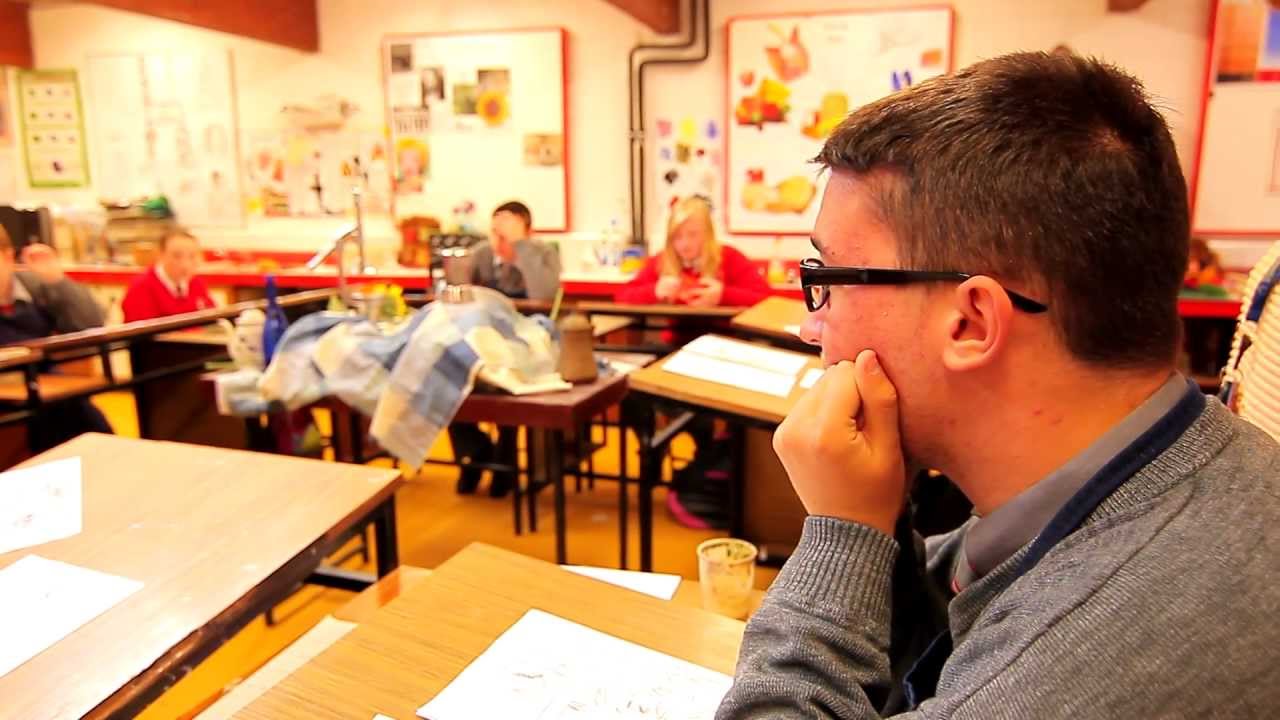
Education is not a one-size-fits-all endeavor, especially when it comes to autism. YouTube channels tailored for this audience act as educators with a paintbrush, blending colors, sounds, and narratives to create lessons that resonate. These channels often employ techniques like social stories, which use simple, relatable scenarios to teach social skills. They might feature a character navigating a playground conflict, offering a script for how to respond—turning a potentially overwhelming situation into a rehearsal for real life.
Beyond social stories, these channels delve into academic subjects with creativity. Math becomes a game of counting colorful objects. Science transforms into a journey through the solar system, narrated by a charismatic host. The key here is adaptability. Lessons are broken down into digestible segments, paced to accommodate varying attention spans. The result? A classroom without walls, where learning is not confined to a desk but unfolds in the comfort of home, at the child’s own pace.
The Rhythm of Routine: Music as a Compass
Music has an unparalleled ability to soothe, stimulate, and organize the mind. For children with autism, who often seek sensory input or structure, music becomes more than an art form—it’s a compass. YouTube channels that harness the power of music offer more than just catchy tunes; they provide rhythm, repetition, and predictability. These channels might feature original songs about daily routines, emotions, or transitions, turning the chaos of the day into a symphony of familiarity.
Imagine a morning routine set to a gentle melody, where each step—brushing teeth, putting on shoes—is accompanied by a verse. Or a song that helps a child identify and express emotions, turning frustration into a chorus of understanding. Music becomes a tool for emotional regulation, a way to externalize internal states, and a bridge to communication. In this auditory landscape, children find not just entertainment, but a sense of order and control in a world that often feels unpredictable.
The Alchemy of Art: Creativity as a Language
Art is the universal language of emotion, a medium through which thoughts and feelings can be expressed without words. For children with autism, who may struggle with verbal communication, art channels on YouTube offer a sanctuary of self-expression. These channels guide young artists through drawing tutorials, painting sessions, or craft projects, providing a structured yet creative outlet. The act of creating becomes a form of therapy, a way to process the world and make sense of it.
What makes these channels particularly powerful is their emphasis on process over product. The focus is not on creating a masterpiece, but on the joy of creation itself. A child might follow along with a step-by-step drawing tutorial, not to replicate it perfectly, but to explore the movement of the pencil, the blending of colors, and the satisfaction of a finished piece. In this space, perfection is irrelevant; creativity is king. These channels remind children that their ideas are valuable, their imaginations are boundless, and their voices—whether through art, music, or words—matter.
The Bridge to Independence: Life Skills in Action

Independence is a journey, one that begins with small steps and builds over time. YouTube channels that focus on life skills act as patient guides, walking children through the intricacies of daily living with patience and clarity. These channels might feature videos on everything from tying shoelaces to using public transportation, breaking down each task into manageable, visual steps. The beauty of these tutorials lies in their simplicity—they assume no prior knowledge, meeting the child where they are.
For a child with autism, mastering a life skill can be a monumental achievement. It’s not just about the skill itself, but about the confidence it instills. A video that teaches how to make a sandwich isn’t just about food; it’s about autonomy, self-sufficiency, and the pride of accomplishment. These channels become silent mentors, offering guidance without judgment, and celebrating every milestone, no matter how small.
The Future of Connection: YouTube as a Catalyst for Change
As technology evolves, so too does the potential of YouTube as a tool for autism education and advocacy. The platform is no longer just a repository of videos; it’s a dynamic ecosystem where innovation thrives. Emerging trends like virtual reality (VR) and augmented reality (AR) are beginning to make their mark, offering immersive experiences that can simulate real-world scenarios in a controlled environment. Imagine a child practicing social interactions in a virtual café, or exploring a museum exhibit from the comfort of home. These advancements are not just futuristic fantasies; they are tangible tools that can reshape the landscape of autism education.
The future also holds promise for greater inclusivity. Channels are increasingly featuring neurodivergent creators, giving them a platform to share their stories and insights. This shift not only amplifies diverse voices but also challenges stereotypes, fostering a more nuanced understanding of autism. As these channels grow, they have the potential to influence mainstream media, shaping a world where neurodiversity is celebrated rather than sidelined.
The relationship between autism and YouTube is a testament to the power of digital connection. It’s a reminder that technology, when wielded with intention, can be a force for good. These channels are more than just sources of information; they are communities, educators, and advocates. They transform the screen from a passive observer into an active participant in the journey of growth and discovery. For families navigating the complexities of autism, YouTube is not just a tool—it’s a lifeline, a teacher, and a friend. In its vibrant, ever-expanding universe, every child finds a place to belong, to learn, and to thrive.