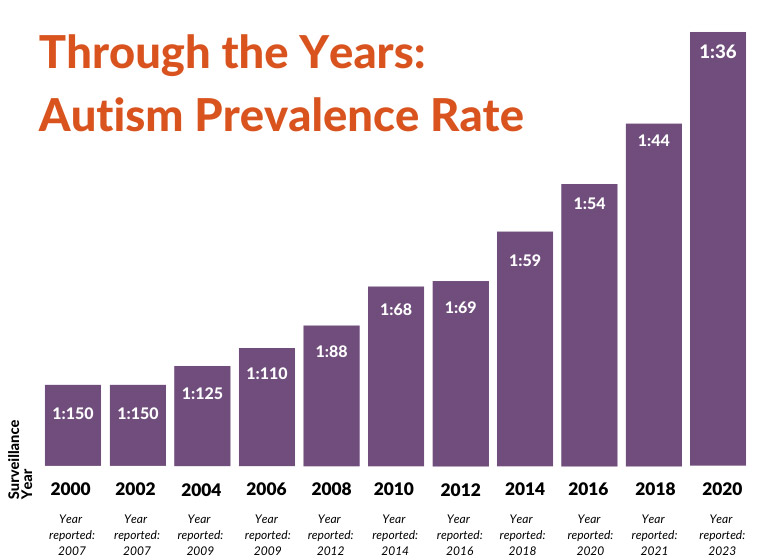
The once-elusive landscape of autism diagnosis is undergoing a seismic shift, propelled not by the hands of clinicians alone, but by the silent, relentless march of artificial intelligence. Where once a child’s developmental quirks might languish in ambiguity for years, today’s algorithms are beginning to decode the subtle symphony of neural patterns with a precision that borders on prescient. This transformation is not merely incremental—it is revolutionary, redefining the boundaries of early detection, personalizing intervention strategies, and challenging our very understanding of neurodiversity. As AI systems parse through terabytes of behavioral data, they are not just diagnosing autism; they are illuminating pathways to support that were previously shrouded in uncertainty.
Imagine a world where a toddler’s fleeting gaze aversion, a subtle delay in language acquisition, or the cadence of repetitive hand-flapping are not dismissed as mere quirks, but recognized as the faint signals of a developing mind that marches to a different rhythm. This is the promise of AI in autism diagnosis—a promise that is rapidly transitioning from speculative fiction to clinical reality. The implications are profound: earlier interventions, reduced parental anxiety, and a societal shift toward embracing neurodiversity as a spectrum of human brilliance rather than a deviation from the norm. Yet, with this promise comes a labyrinth of ethical considerations, technological limitations, and the ever-present tension between innovation and the sanctity of human judgment.

The Dawn of Algorithmic Insight: How AI Deciphers the Autism Enigma
At the heart of this transformation lies the ability of AI to detect patterns in data that elude even the most seasoned clinicians. Traditional autism diagnosis relies on observational checklists, such as the ADOS (Autism Diagnostic Observation Schedule), which, while invaluable, are inherently subjective and time-consuming. AI, however, thrives on objectivity. By analyzing video footage of a child’s interactions, tracking eye movements, or even parsing vocal tone and speech patterns, machine learning models can identify subtle biomarkers that precede formal diagnosis by months or even years.
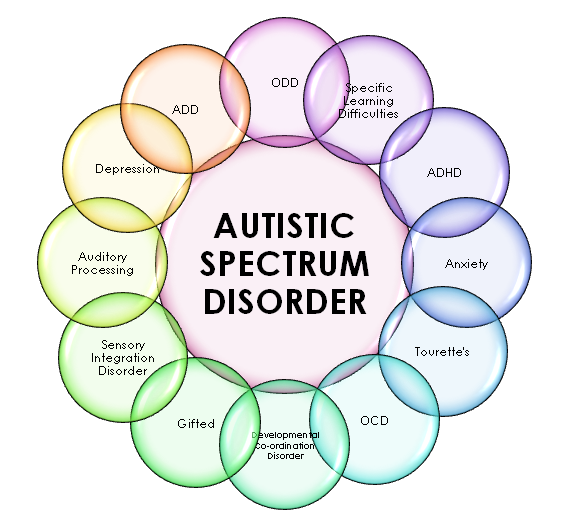
Consider the work of researchers who have trained neural networks on thousands of hours of home videos, teaching algorithms to distinguish between typical developmental trajectories and those indicative of autism. These systems do not merely look for deficits; they recognize deviations in the rhythm of social engagement, the cadence of communication, and the idiosyncrasies of sensory processing. The result is a diagnostic tool that is not only faster but also more nuanced, capable of capturing the heterogeneity of autism spectrum disorder (ASD) in ways that static checklists cannot.
Yet, this is not a story of AI replacing human expertise. Rather, it is a narrative of augmentation. Clinicians remain the arbiters of diagnosis, but AI serves as an impartial second opinion, a tireless collaborator that sifts through data with a precision that human eyes might miss. The synergy between human intuition and machine intelligence is where the true magic lies, offering a glimpse into a future where no child slips through the diagnostic cracks.
From Pixels to Prescriptions: The Role of AI in Personalized Intervention
Diagnosis is only the first step. The real revolution lies in what comes next: personalized intervention strategies tailored to the unique neural wiring of each autistic individual. AI is not content with merely identifying autism; it is now being deployed to design bespoke therapy plans that evolve in real-time, adapting to the child’s progress and challenges. Imagine a system that monitors a child’s engagement with a digital therapy app, adjusting the difficulty of tasks based on their performance, or one that predicts which interventions will be most effective for a particular cognitive profile.
This level of personalization is made possible by the convergence of AI with other emerging technologies, such as wearable sensors and natural language processing. For instance, AI-driven chatbots are being used to facilitate social skills training, providing children with a safe, low-pressure environment to practice conversation and emotional recognition. Meanwhile, wearable devices that track physiological responses—such as heart rate variability or skin conductance—can alert caregivers to moments of sensory overload, enabling timely interventions to prevent meltdowns.

The implications of this are staggering. No longer will autistic individuals be shoehorned into one-size-fits-all therapy programs. Instead, interventions will be as unique as fingerprints, dynamically adjusting to the individual’s strengths, weaknesses, and evolving needs. This shift from standardization to personalization is not just a technological triumph; it is a philosophical one, challenging the notion that neurodiversity is a problem to be fixed and instead celebrating it as a tapestry of human experience.
The Ethical Labyrinth: Navigating the Pitfalls of AI in Autism Diagnosis
Yet, for all its promise, the integration of AI into autism diagnosis is not without its ethical minefields. The most pressing concern is the potential for bias in training data. If an AI model is predominantly trained on data from a specific demographic—say, white, middle-class children—it may fail to recognize autism in individuals from different cultural or socioeconomic backgrounds, leading to underdiagnosis or misdiagnosis. This is not a hypothetical scenario; it is a documented reality in many areas of medical AI.
There is also the question of consent and privacy. The data required for AI-driven diagnosis—video recordings, voice samples, even eye-tracking data—is deeply personal. Who owns this data? How is it stored? Who has access to it? These are not trivial questions, and the answers will shape the trust that families place in these technologies. Without robust safeguards, the risk of data exploitation looms large, turning a tool of empowerment into one of surveillance.
Moreover, the reliance on AI raises existential questions about the nature of diagnosis itself. If an algorithm can diagnose autism with 98% accuracy, as some studies suggest, does that diminish the role of human clinicians? Or does it elevate their role, allowing them to focus on the art of care rather than the mechanics of assessment? The answer lies in striking a balance—one where AI serves as a tool, not a replacement, and where the human touch remains irreplaceable.
The Future Unfolding: What Lies Ahead for AI and Autism
The trajectory of AI in autism diagnosis is one of exponential growth, but the path forward is not without its challenges. Researchers are already exploring the use of multimodal AI, which combines data from video, audio, and physiological sensors to create a holistic picture of an individual’s development. This approach could lead to even earlier and more accurate diagnoses, potentially identifying autism in infancy—a feat that would revolutionize early intervention.
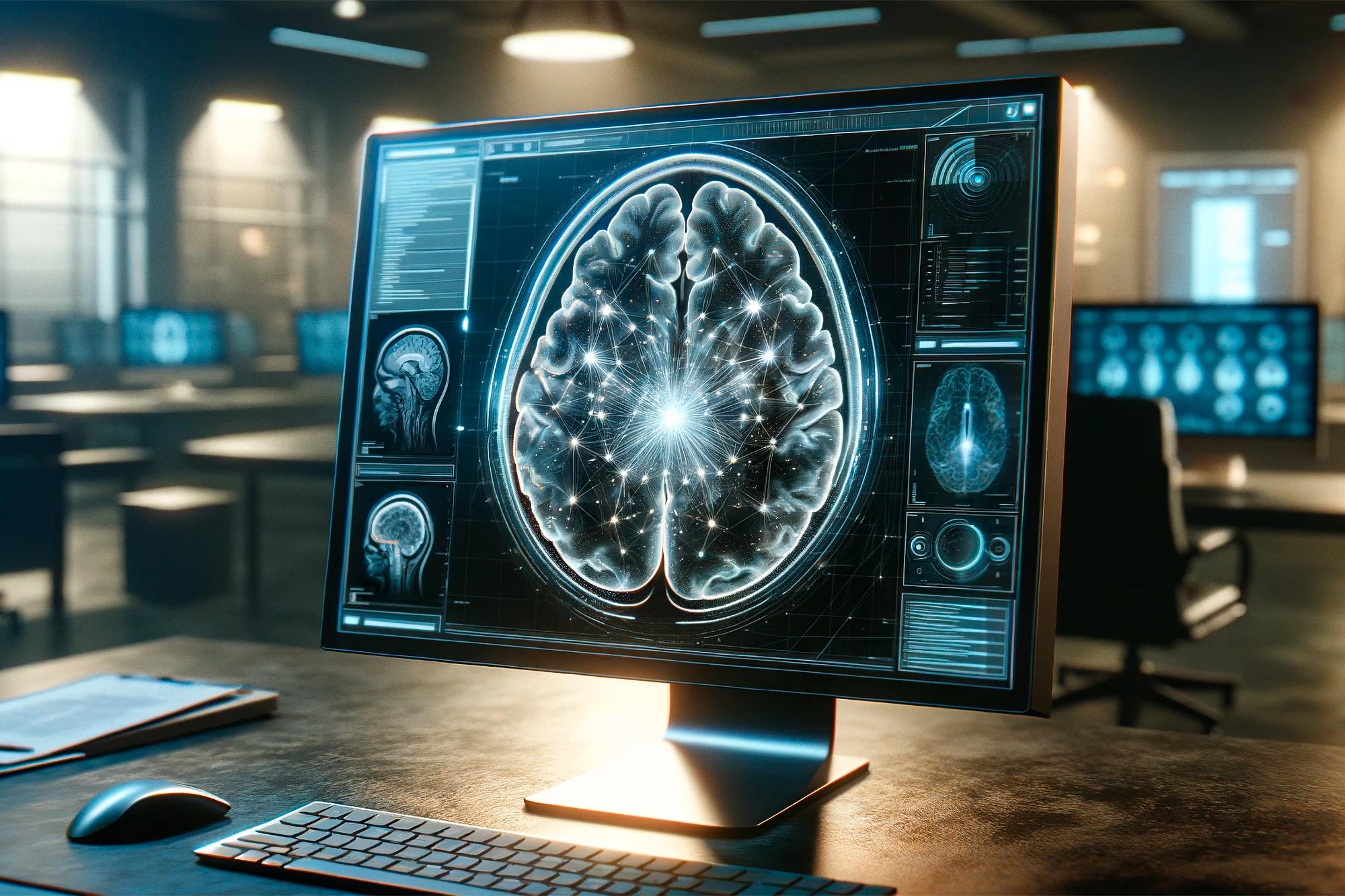
There is also the tantalizing possibility of AI-driven biomarkers. By analyzing brain scans or genetic data, researchers hope to uncover biological signatures of autism that could lead to biological, rather than behavioral, diagnoses. This would not only reduce the subjectivity of current methods but also open the door to targeted treatments that address the root causes of autism, rather than merely managing symptoms.
Yet, the most profound change may be societal. As AI-driven diagnoses become more widespread, the narrative around autism is shifting. No longer is it seen solely as a deficit to be mitigated, but as a different way of experiencing the world—one that comes with its own set of strengths and challenges. This reframing is essential, not just for autistic individuals but for society as a whole, which must learn to embrace neurodiversity as a source of innovation and creativity.
In the end, the marriage of AI and autism diagnosis is not just about technology. It is about reimagining what it means to be human, to communicate, and to connect. It is about recognizing that the mind is not a monolith but a mosaic of infinite possibilities. And as we stand on the precipice of this new era, one thing is clear: the future of autism diagnosis is not just smarter—it is kinder, more inclusive, and infinitely more hopeful.