Water is the silent architect of life, yet for many individuals on the autism spectrum, its presence is met with indifference, resistance, or even aversion. The challenge of encouraging hydration in autistic individuals is not merely a matter of routine—it is a delicate interplay of sensory sensitivities, cognitive processing, and emotional regulation. While the broader population may take hydration for granted, those with autism often navigate a world where the very act of drinking water can feel like an insurmountable task. This article explores the multifaceted reasons behind hydration challenges in autism and offers innovative, compassionate strategies to transform water consumption from a struggle into a seamless part of daily life.
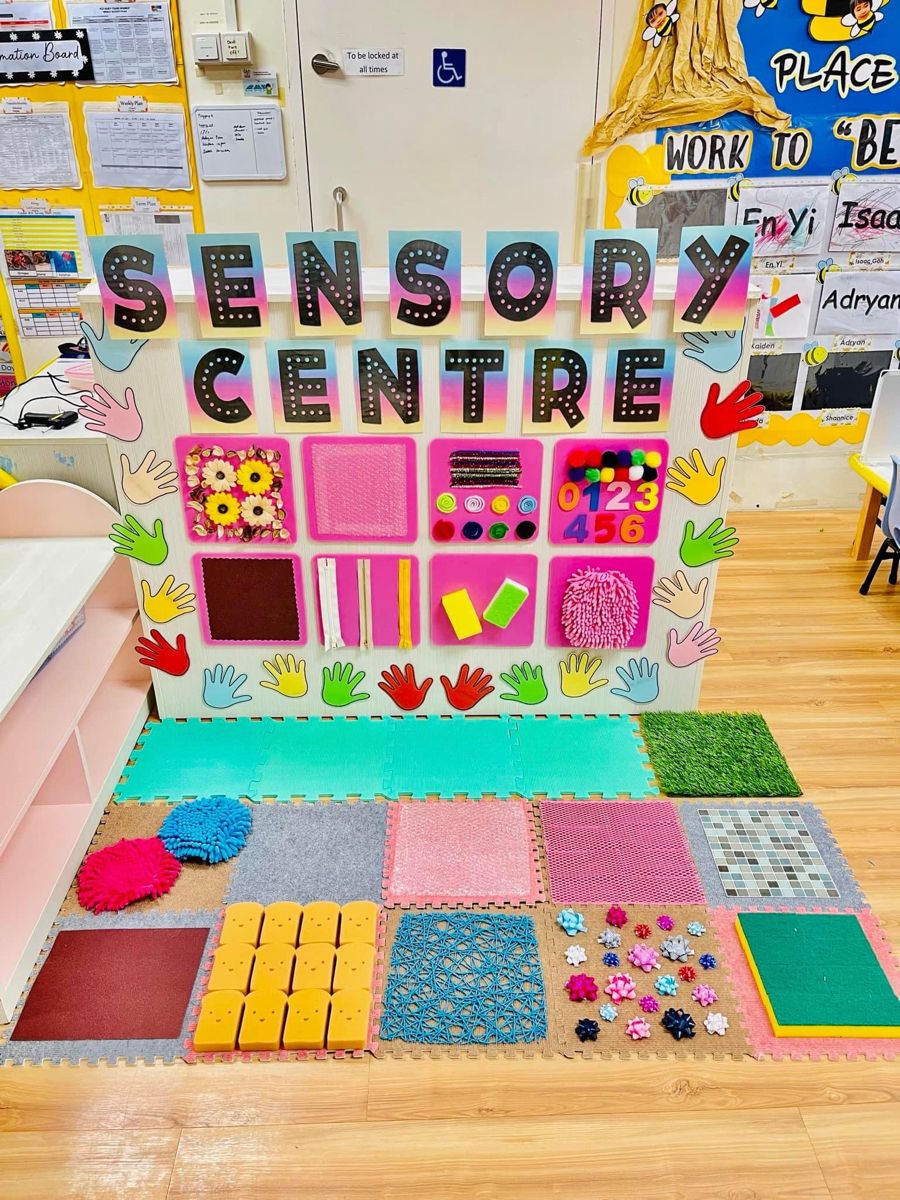
Sensory sensitivities form the bedrock of many hydration difficulties in autism. The texture of water, its temperature, or even the sound of it pouring can trigger discomfort. For some, the sensation of liquid in the mouth may feel overwhelming, while others may be hyper-sensitive to the coolness of water against their skin. These sensory nuances are not trivial—they are deeply personal and can dictate whether an autistic individual will engage with hydration at all. Recognizing these sensitivities is the first step toward creating a hydration routine that aligns with their unique sensory profile.
Beyond sensory barriers, cognitive and executive function challenges further complicate hydration. The abstract concept of thirst may not register as strongly for autistic individuals, leaving them reliant on external cues to recognize the need for water. Additionally, transitions between activities can be jarring, making it difficult to pause and prioritize drinking. The result is a cycle where dehydration creeps in unnoticed, exacerbating fatigue, irritability, and difficulty concentrating. Addressing this requires a blend of environmental design and gentle reminders, ensuring that hydration is woven into the fabric of their day without disrupting their flow.
The Role of Routine and Predictability in Hydration
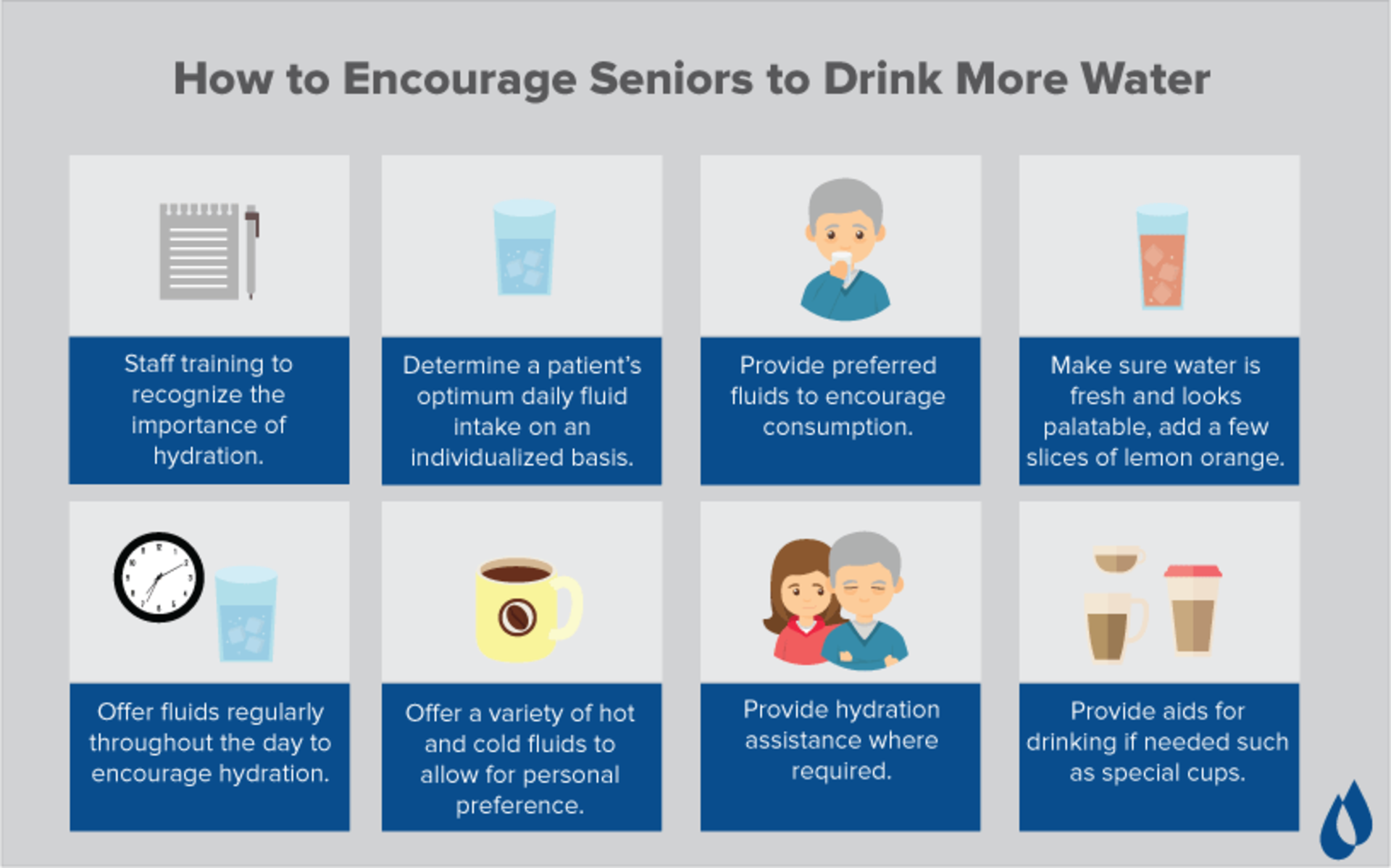
Autistic individuals often thrive in structured environments where expectations are clear and change is minimal. Hydration, when integrated into a predictable routine, can become a comforting ritual rather than a disruptive demand. Establishing a consistent schedule—such as drinking water upon waking, before meals, or after specific activities—provides a sense of control and security. Visual schedules, timers, or even a dedicated water bottle with marked intervals can serve as tangible reminders, reducing the cognitive load of remembering to drink.
Moreover, the predictability of a routine can mitigate the anxiety that often accompanies transitions. For those who struggle with spontaneity, knowing that hydration is a non-negotiable part of their day allows them to mentally prepare and engage with the process more willingly. The key lies in making hydration feel like a natural extension of their existing habits rather than an imposed task.
Sensory-Friendly Hydration: Adapting to Individual Preferences
Not all water is created equal in the eyes of an autistic individual. Temperature, flavor, and even the vessel from which it is consumed can dramatically influence acceptance. Some may prefer room-temperature water, finding the chill of ice-cold liquid jarring, while others may seek the crispness of chilled water as a sensory anchor. Infusing water with subtle flavors—such as cucumber, mint, or berries—can make it more appealing without overwhelming the palate. Alternatively, offering water in a familiar, textured cup or bottle can provide the tactile comfort needed to encourage sipping.
For those who are particularly sensitive to the sensation of swallowing, carbonated water or flavored seltzers may offer a middle ground. The effervescence can provide a stimulating contrast to plain water, while still meeting hydration needs. Experimentation is essential here, as what works for one person may not resonate with another. The goal is to create a sensory experience that feels safe and enjoyable, rather than a chore to endure.
Technology and Gamification: Making Hydration Engaging
In an era where technology permeates every aspect of life, leveraging digital tools can transform hydration from a mundane task into an interactive experience. Smart water bottles equipped with sensors can track intake and send gentle reminders via app notifications, turning hydration into a game of meeting daily goals. For those who are visually inclined, apps that display colorful charts or animations can provide a sense of achievement with each sip. Gamification taps into the autistic tendency toward pattern recognition and achievement, making hydration feel like a rewarding challenge rather than a requirement.
Additionally, virtual reality (VR) or augmented reality (AR) experiences can create immersive environments where drinking water is tied to a larger narrative. For instance, a VR game might require the player to “fuel up” their avatar with water before embarking on an adventure, subtly reinforcing the habit. These innovative approaches cater to the autistic preference for structured, goal-oriented activities while making hydration a dynamic part of their day.
The Power of Social Modeling and Peer Influence
Humans are inherently social creatures, and autistic individuals are no exception. The act of observing others drink water can normalize the behavior and reduce resistance. In group settings—such as schools, therapy sessions, or family meals—encouraging peers to model hydration can create a ripple effect. For those who are more likely to imitate actions they see, this social cueing can be a powerful motivator. Pairing hydration with social rewards, such as a shared activity or praise, can further reinforce the behavior.
It’s important to note, however, that social modeling must be approached with sensitivity. For some autistic individuals, the pressure to conform can backfire, leading to increased resistance. The key is to present hydration as a shared, voluntary activity rather than a rule to follow. Framing it as a communal experience—such as a “water break” during a group activity—can make it feel inclusive rather than obligatory.
Addressing Underlying Medical and Physiological Factors
While sensory and behavioral strategies are invaluable, it’s crucial to consider the physiological aspects of hydration challenges in autism. Some individuals may have underlying medical conditions, such as gastrointestinal issues or medication side effects, that make drinking water uncomfortable. Gastroesophageal reflux disease (GERD), for example, can cause a fear of swallowing due to pain or discomfort. In such cases, consulting a healthcare provider to address these issues is essential before focusing solely on behavioral strategies.
Additionally, certain medications can increase dehydration risk by affecting kidney function or increasing thirst without providing relief. Monitoring urine color, energy levels, and overall well-being can help caregivers identify when medical intervention is necessary. Hydration is not just about quantity—it’s about ensuring that the body can effectively absorb and utilize the water consumed.
Creating a Hydration-Friendly Environment
The physical environment plays a pivotal role in encouraging hydration. For autistic individuals, a cluttered or chaotic space can be overwhelming, making it difficult to focus on drinking water. Designing a calm, sensory-friendly area with minimal distractions can make the act of hydrating feel more manageable. This might include a dedicated hydration station with preferred cups, straws, or bottles, as well as calming elements like soft lighting or soothing background music.
In shared spaces, such as classrooms or therapy rooms, ensuring that water is always accessible—and not tucked away in a distant corner—can reduce the effort required to hydrate. The principle of “easy access” cannot be overstated; if the barrier to drinking water is too high, it’s unlikely to happen. Simple adjustments, such as placing water bottles at eye level or using spill-proof containers, can make a significant difference.
The Long-Term Benefits of Consistent Hydration
When hydration becomes a seamless part of an autistic individual’s routine, the benefits extend far beyond physical health. Proper hydration supports cognitive function, emotional regulation, and overall well-being, enabling greater participation in daily activities. For children, it can improve focus in school and reduce meltdowns, while for adults, it can enhance productivity and social engagement. The ripple effects of consistent hydration are profound, touching every aspect of life.
Yet, the journey to achieving this consistency is not linear. There will be days when resistance is high, and progress feels slow. Patience and persistence are key. Celebrating small victories—such as taking a single sip or using a preferred cup—can build momentum over time. The goal is not perfection but progress, recognizing that each step forward is a testament to the individual’s resilience and adaptability.
Hydration is more than a biological necessity; it is a gateway to comfort, connection, and vitality. For autistic individuals, the path to embracing water may be fraught with challenges, but with creativity, empathy, and a willingness to adapt, it is a path worth pursuing. By understanding the unique needs of each person and tailoring strategies to their preferences, we can transform hydration from a struggle into a source of strength.