In the vast, uncharted archipelago of human experience, autism stands as a continent of singular landscapes—each sensory input a towering mountain, each social interaction a labyrinthine bazaar. Yet, within this intricate terrain lies an unexpected gateway to exploration: the vibrant, chaotic, and profoundly rewarding world of international cuisine. For those who perceive the world through a lens of heightened sensitivity, food becomes more than sustenance; it is a symphony of textures, a ballet of aromas, a dialogue between the familiar and the foreign. To traverse this culinary cosmos is to engage in a form of sensory diplomacy, where each dish is a treaty between the known and the unknown, each flavor a whispered secret from a distant shore.
Imagine, for a moment, the act of dining as an expedition into uncharted waters. The first bite of a dish from a culture you’ve never encountered is like dipping a toe into an ocean whose currents you cannot yet predict. The textures may surprise you—some as delicate as a spider’s silk, others as robust as a monsoon’s downpour. The flavors might clash like cymbals in a symphony hall, or harmonize like the soft strumming of a lute. For individuals on the autism spectrum, this exploration is not merely about taste; it is about the very act of engagement with the world, a tactile and gustatory embrace of diversity. It is an invitation to slow down, to savor, to engage with the present moment in a way that is both intimate and expansive.
The Palate as a Compass: Navigating Sensory Landscapes
For many autistic individuals, the sensory world is a kaleidoscope of intensity—colors bleed into sounds, textures into emotions, and flavors into memories. Food, in this context, is not just a meal; it is a cartographer’s tool, a device for mapping the contours of experience. A single dish can be a Rosetta Stone, decoding the nuances of a culture through its culinary DNA. Consider the sichuan peppercorn, a tiny, unassuming spice that explodes on the tongue with a tingling sensation akin to a thousand tiny electric shocks. To someone unfamiliar with its piquancy, it might seem alien, even threatening. Yet, for those who embrace its challenge, it becomes a revelation—a reminder that intensity can be beautiful, that discomfort can be a gateway to joy.
The act of trying a new cuisine is, in many ways, a form of controlled chaos. It demands patience, curiosity, and a willingness to surrender to the unknown. For autistic individuals who thrive on routine, this can be both daunting and exhilarating. The first encounter with a dish like phở, with its fragrant broth and tender slices of meat, is not just a meal—it is an initiation into a new sensory lexicon. The slurp of noodles, the aromatic waft of star anise and cinnamon, the way the broth lingers on the palate like a whispered promise—all of these elements coalesce into an experience that is as much about the body as it is about the mind.
Yet, this journey is not without its hurdles. The world of international cuisine is vast, and not all palates are prepared for its extremes. The heat of a Thai curry, the umami punch of a Japanese dashi, the sour tang of a Mexican ceviche—each of these can be a shock to the system. For autistic individuals who may already experience sensory overload, the challenge lies in finding balance. It is not about forcing oneself to endure discomfort for the sake of novelty, but rather about discovering the dishes that resonate, that feel like a homecoming rather than an invasion. The key is to approach each culinary adventure with the same care one would take when stepping into a new environment—slowly, deliberately, and with an open heart.
Cultural Cartography: The Stories Behind the Flavors
Every dish is a story, a narrative woven from the threads of history, geography, and tradition. When we explore international cuisine, we are not merely tasting flavors; we are reading the chapters of a global saga. For autistic individuals, who often possess a deep appreciation for patterns and details, this storytelling aspect of food can be particularly compelling. Consider the mole of Mexico, a complex sauce that can contain upwards of thirty ingredients, each contributing to a symphony of flavors. To understand mole is to understand the layers of Mexican history—its indigenous roots, its colonial influences, its modern-day reinventions. It is a dish that demands attention, that rewards curiosity with a depth of flavor that is almost architectural in its construction.
Similarly, the tagine of North Africa is a testament to the ingenuity of nomadic cultures. Cooked slowly over low heat, the dish transforms humble ingredients—meat, vegetables, spices—into a fragrant, tender masterpiece. The act of preparing a tagine is a lesson in patience, in the understanding that great things take time. For autistic individuals who may struggle with the unpredictability of social interactions, the ritualistic nature of cooking can be a source of comfort. It is a controlled environment, a space where actions have predictable outcomes, and where the rewards are tangible and immediate.
The stories embedded in food are not just about taste; they are about identity. They are about the grandmother who passed down her recipe for baklava, layer by layer, fold by fold, or the fisherman in coastal Portugal who knows the exact moment to harvest sardinhas assadas for the perfect smoky flavor. When autistic individuals engage with these narratives, they are not just consuming calories—they are consuming culture, history, and a sense of belonging. Food becomes a bridge, a way to connect with others without the pressure of social conventions. It is a universal language, one that transcends words and speaks directly to the soul.
The Ritual of the Meal: Finding Comfort in Structure
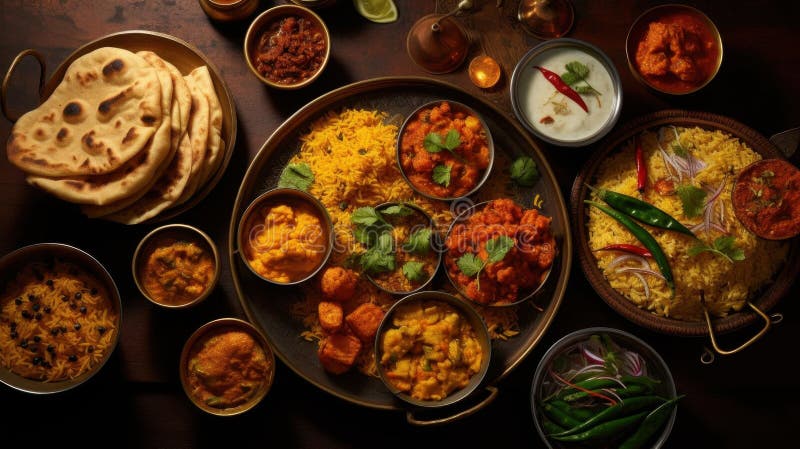
For many autistic individuals, routine is a lifeline—a way to impose order on a world that often feels chaotic. The act of preparing and consuming a meal can be a grounding ritual, a sequence of steps that provides a sense of predictability and control. International cuisine, with its myriad techniques and ingredients, offers a vast playground for this ritualistic engagement. Whether it is the precise measurements required for a French soufflé, the careful layering of a Vietnamese bánh mì, or the rhythmic chopping of vegetables for an Indian curry, each step is a note in a larger composition.
Consider the Japanese tradition of kaiseki, a multi-course meal that is as much about aesthetics as it is about flavor. Each dish is presented with meticulous care, the arrangement of food on the plate a work of art in itself. For someone who appreciates symmetry and order, kaiseki is not just a meal—it is a meditation. The act of eating becomes a performance, a choreography of chopsticks and bowls, of colors and textures that unfold in a deliberate sequence. There is comfort in this structure, in the knowledge that each course will follow the last in a predictable, harmonious progression.

Yet, the ritual of the meal is not just about control; it is also about connection. Sharing a meal with others, even in silence, can be a profound act of intimacy. The clink of chopsticks, the exchange of utensils, the shared sigh of satisfaction after a particularly delicious bite—all of these are forms of communication that transcend language. For autistic individuals who may struggle with verbal expression, food becomes a medium through which they can connect with others on a deeply sensory level. It is a way to say, “I see you,” without uttering a single word.
The Alchemy of Adaptation: Making International Cuisine Accessible
While the world of international cuisine is vast and diverse, it is not always accessible to those who experience the world differently. Sensory sensitivities, texture aversions, or simply the overwhelming nature of new experiences can make it difficult to engage with certain dishes. The key to making this culinary exploration inclusive lies in adaptation—finding ways to bridge the gap between the unfamiliar and the comfortable.
For those who are sensitive to textures, for example, the idea of eating escargot or sashimi might be daunting. But what if the snails were finely chopped and incorporated into a rich, garlicky sauce, or the raw fish was lightly seared to soften its texture? The essence of the dish remains, but the sensory experience is gentler, more approachable. Similarly, for those who struggle with strong flavors, the heat of a chili pepper can be tempered with cooling ingredients like yogurt or coconut milk. The goal is not to dilute the authenticity of the dish, but to find a way to experience its essence without the sensory overload.
Adaptation is also about creating safe spaces for exploration. For autistic individuals, the idea of trying a new food in a crowded restaurant might be overwhelming. Instead, the comfort of home—where the environment is controlled, and the familiar surrounds them—can be the ideal setting for culinary experimentation. Cooking together, whether with family, friends, or caregivers, can turn the act of eating into a collaborative adventure. It is a way to demystify the unknown, to break down the barriers between “us” and “them” by making the world of international cuisine feel like a place of welcome rather than intimidation.
A Feast for the Senses: The Transformative Power of Food
At its core, the exploration of international cuisine is about more than just taste—it is about transformation. It is about the way a single bite can open a door to a new culture, a new way of thinking, a new way of being. For autistic individuals, who often navigate a world that is not designed with their needs in mind, food can be a source of empowerment. It is a way to assert control over one’s environment, to engage with the world on one’s own terms, and to find joy in the unfamiliar.
The act of trying a new dish is, in many ways, an act of courage. It requires vulnerability, a willingness to step outside of one’s comfort zone and embrace the unknown. But it also offers the promise of reward—a moment of pure, unadulterated delight when the flavors finally click, when the textures feel just right, when the dish becomes not just a meal, but a memory. For autistic individuals, who may often feel like outsiders in a world that does not understand them, these moments of connection can be transformative. They are a reminder that the world is vast, diverse, and full of wonders waiting to be discovered.
So, let us approach the table with curiosity and an open heart. Let us savor each bite as if it were a journey, each flavor as if it were a story. For in the act of exploring international cuisine, we are not just feeding our bodies—we are nourishing our souls. We are engaging in a dialogue with the world, one dish at a time. And perhaps, in doing so, we will find that the most profound flavors are not those that are loudest, but those that resonate deepest within us.