
Why does the myth linking vaccines to autism refuse to fade into obscurity despite overwhelming scientific evidence to the contrary? This persistent misconception presents an intriguing challenge at the intersection of public health, psychology, and society. It is not merely a battle of facts versus fiction but a complex phenomenon steeped in human emotion, historical mistrust, and the nuances of cognitive bias.
The Genesis of a Pernicious Myth
The narrative connecting vaccines, particularly the measles, mumps, and rubella (MMR) vaccine, to autism originated from a study published in the late 1990s that has since been thoroughly discredited and retracted. However, the damage inflicted by the initial claim has been stubbornly resilient. At its core, the myth thrives on anecdotal observations and temporal proximity—the unsettling coincidence of children receiving vaccines around the age when signs of autism spectrum disorder (ASD) typically emerge. This conflation of timing and causality has been fertile ground for misunderstanding.
Moreover, the emotional weight of parents seeking explanations for their child’s diagnosis cannot be underestimated. In the absence of a definitive cause for autism, the vaccine theory offered a tangible scapegoat, a perceived medical intervention gone awry. This quest for answers is human and understandable; yet, it underscores why scientific repudiation alone has failed to quell the myth’s endurance.
The Psychological Underpinnings: Why Facts Aren’t Always Enough
Misinformation about vaccines and autism lurks beneath the surface of human cognition, often entwined with confirmation bias and cognitive dissonance. When a belief is closely tied to an individual’s identity or emotions, contradictory evidence may be disregarded or rationalized away. This psychological inertia explains why even continuous dissemination of empirical data does not uniformly dismantle falsehoods.
Additionally, the role of heuristics — mental shortcuts people use to make quick judgments — provides a fertile breeding ground for myths. The availability heuristic, for instance, leads individuals to overestimate the likelihood of vaccine harm if they have recently heard or read about such cases, regardless of their veracity. Thus, fear and uncertainty about autism, combined with the complexity of immunological science, create a combustible mixture receptive to simplistic and erroneous explanations.
Social Media: A Double-Edged Sword
In the digital age, social media platforms act as amplifiers of both fact and fiction. The vaccine-autism myth has found a disproportionately fertile ecosystem within these networks, where misinformation can traverse boundaries faster than authoritative corrections.
Echo chambers and algorithm-driven content curation exacerbate this problem. When users receive repetitive, affirming messages about vaccine risks, it reinforces preexisting beliefs, further entrenching the myth. This phenomenon has transformed what was once a fringe theory into a pervasive public health challenge, directly influencing vaccination rates and, consequently, herd immunity thresholds.
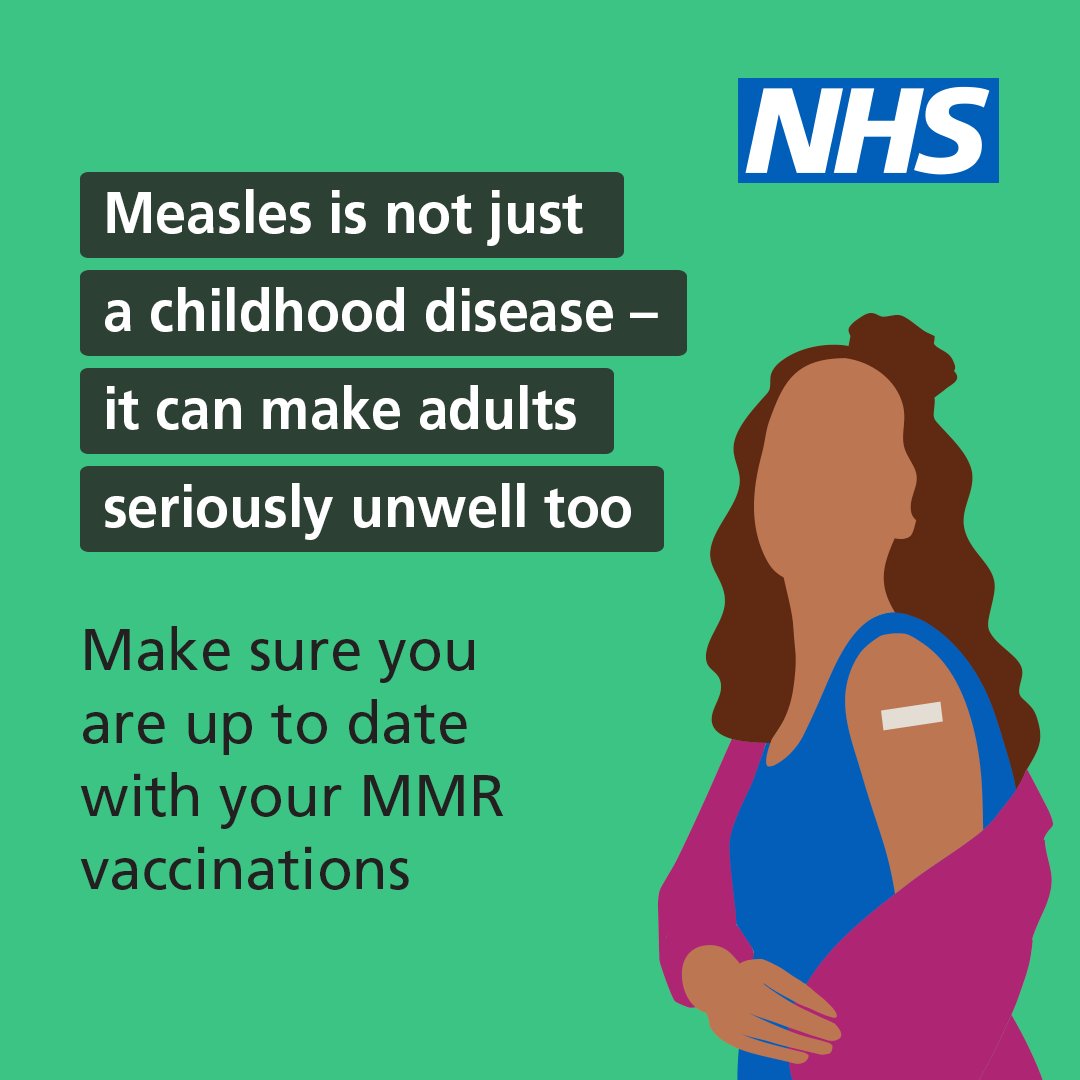
The ramifications are tangible: outbreaks of preventable diseases have resurged globally, fueled in part by vaccine hesitancy birthed from this persistent myth. The struggle to disseminate accurate health information competes against a backdrop of viral misinformation and emotive rhetoric.
Scientific Consensus and Clarifications
Pioneering research and comprehensive reviews from global health authorities have conclusively demonstrated no causal link between vaccines and autism. These investigations employ rigorous methodologies, large sample sizes, and long-term follow-ups. They consistently reaffirm vaccine safety, emphasizing that the very risk of avoiding vaccination—exposure to dangerous infectious diseases—far outweighs any illusory connection to autism.
Science continues to unravel the intricate origins of autism spectrum disorders, highlighting genetic, neurological, and environmental factors unrelated to immunization. This evolving understanding further negates the vaccine-autism theory and calls for an informed, evidence-based dialogue about both public health and neurodevelopmental diversity.

The Role of Trusted Voices and Community Engagement
Counteracting the vaccine-autism myth necessitates more than just the dissemination of data. It demands empathetic communication tailored to address fears, values, and cultural contexts. Healthcare providers, educators, and community leaders have a pivotal role in fostering trust through transparency and patience.
Encouraging open dialogue rather than confrontation can nurture critical thinking and empower parents with reliable knowledge. Narrative strategies that humanize scientific perspectives—sharing stories of families positively impacted by vaccines—can bridge the emotional gap that cold statistics often fail to reach.
Policy Implications and Future Directions
Legislation and public health policies aimed at boosting vaccination rates must consider the complex social dynamics underpinning hesitancy. Mandates, while effective in some contexts, risk alienating segments of the population if implemented without considerate education and community involvement.
Innovative approaches harnessing behavioral science, digital literacy programs, and partnerships with influencers hold promise in reshaping public perceptions. Monitoring vaccine confidence trends and tailoring interventions accordingly will be essential as misinformation tactics evolve alongside technology.
Ultimately, dismantling the vaccine-autism myth requires a multifaceted strategy acknowledging the interplay of historical, psychological, and sociocultural factors. It is a daunting endeavor, but one fundamental to safeguarding public health.
The persistence of this myth challenges us to look beyond mere facts and engage with the human stories and fears that fuel it. Only by addressing those deeper currents can the tide of misinformation be turned.












