What does it truly mean to raise an autistic child? Is it a journey marked solely by obstacles, or can it also be a tapestry woven with unexpected joys, profound lessons, and boundless growth? The truth lies somewhere in between—complex, nuanced, and deeply human. As a mother navigating the intricate landscape of autism, the path is filled with moments that challenge resilience, demand adaptability, and reward with glimpses of unparalleled connection.
The Early Whispers: Recognizing the Signs and Initial Emotions
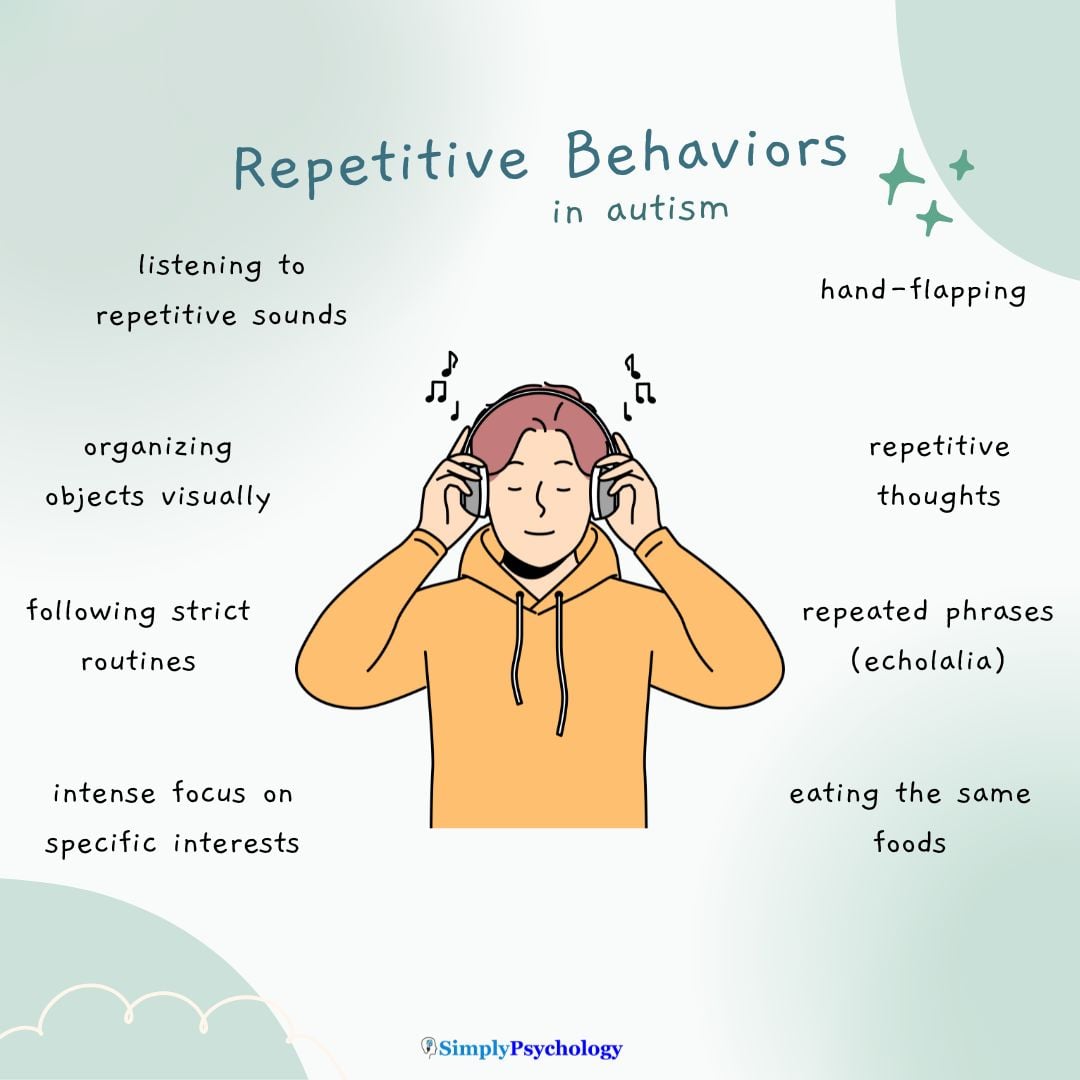
The earliest clues of autism rarely announce themselves with fanfare. Often subtle, they whisper rather than shout—delayed milestones, atypical eye contact, or an unusual fixation on certain objects. As a mother, decoding these signs can evoke a spectrum of emotions: confusion, denial, and eventually, acceptance. The labyrinth of diagnosis can be daunting, interlaced with medical jargon and a barrage of assessments. Yet, this crucial step marks the beginning of advocacy and understanding.
One learns to read between the lines of pediatric reports and consult multiple specialists, but more importantly, one learns to listen to the child’s unique modes of communication—verbal or otherwise.
Tailoring Parenthood: Adjusting Expectations and Embracing Individuality
Parenthood often comes accompanied by societal blueprints of “ideal” milestones; however, raising an autistic child requires a recalibration of those expectations. Every autistic child traverses their developmental path at their own pace, with distinct needs and abilities. This necessitates a bespoke approach to parenting—one that respects neurodiversity and champions individual strengths.
Rather than viewing delays or differences as deficits, it becomes imperative to celebrate small victories: a new word spoken, a social interaction initiated, or even a self-soothing technique that fosters independence. These moments illuminate the child’s unfolding identity and frame the narrative away from comparison toward acceptance.
Communication: Bridging Gaps with Creativity and Patience
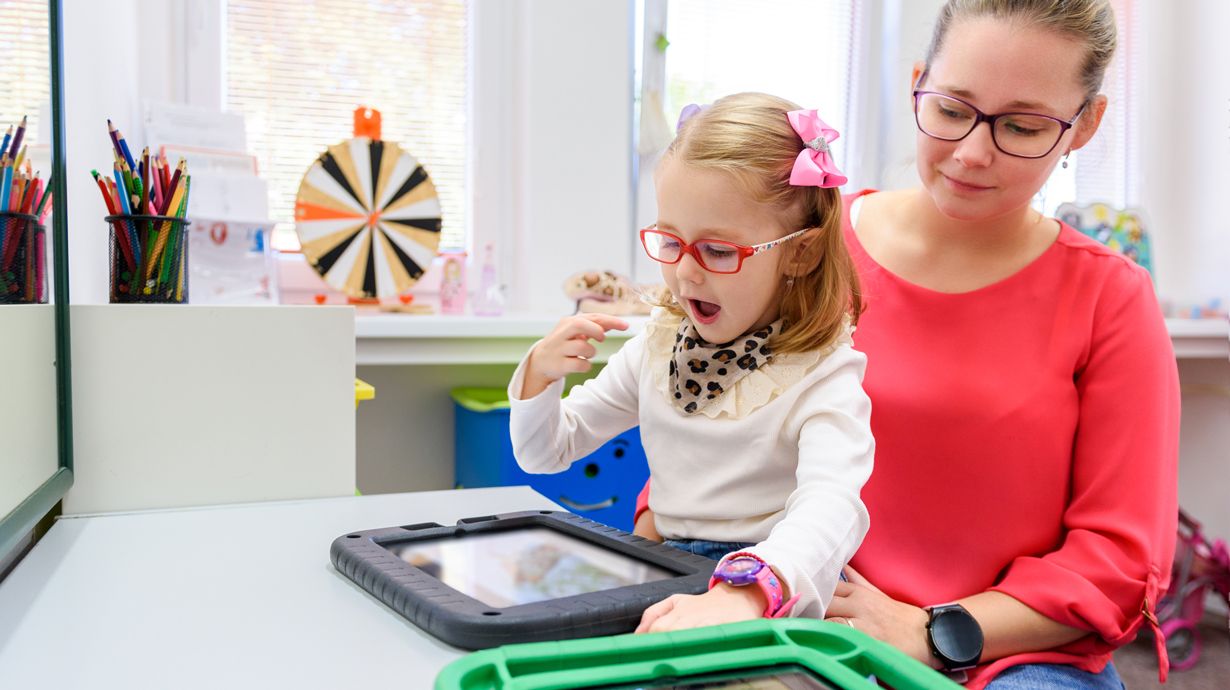
One of the profound challenges lies in cultivating effective communication. Language can be an intricate dance with an autistic child—sometimes hesitant, other times exuberant. Mothers often become intrepid explorers, discovering alternative forms of interaction such as sign language, picture exchange systems, or assistive technologies.

Patience becomes the scaffold upon which these connections are built. The process is neither linear nor swift, but with every breakthrough, the veil lifts, fostering understanding and intimacy. This journey transcends mere vocabulary; it nurtures empathy, trust, and emotional attunement.
Behavioral Challenges: Navigating Emotional Storms and Social Complexities
Autism often presents behavioral challenges that can test even the most steadfast mother’s fortitude. From meltdowns triggered by sensory overload to resistance toward change, these episodes demand both strategic intervention and unwavering compassion. Understanding the underlying cause—whether anxiety, frustration, or sensory discomfort—is paramount in mitigating conflicts.
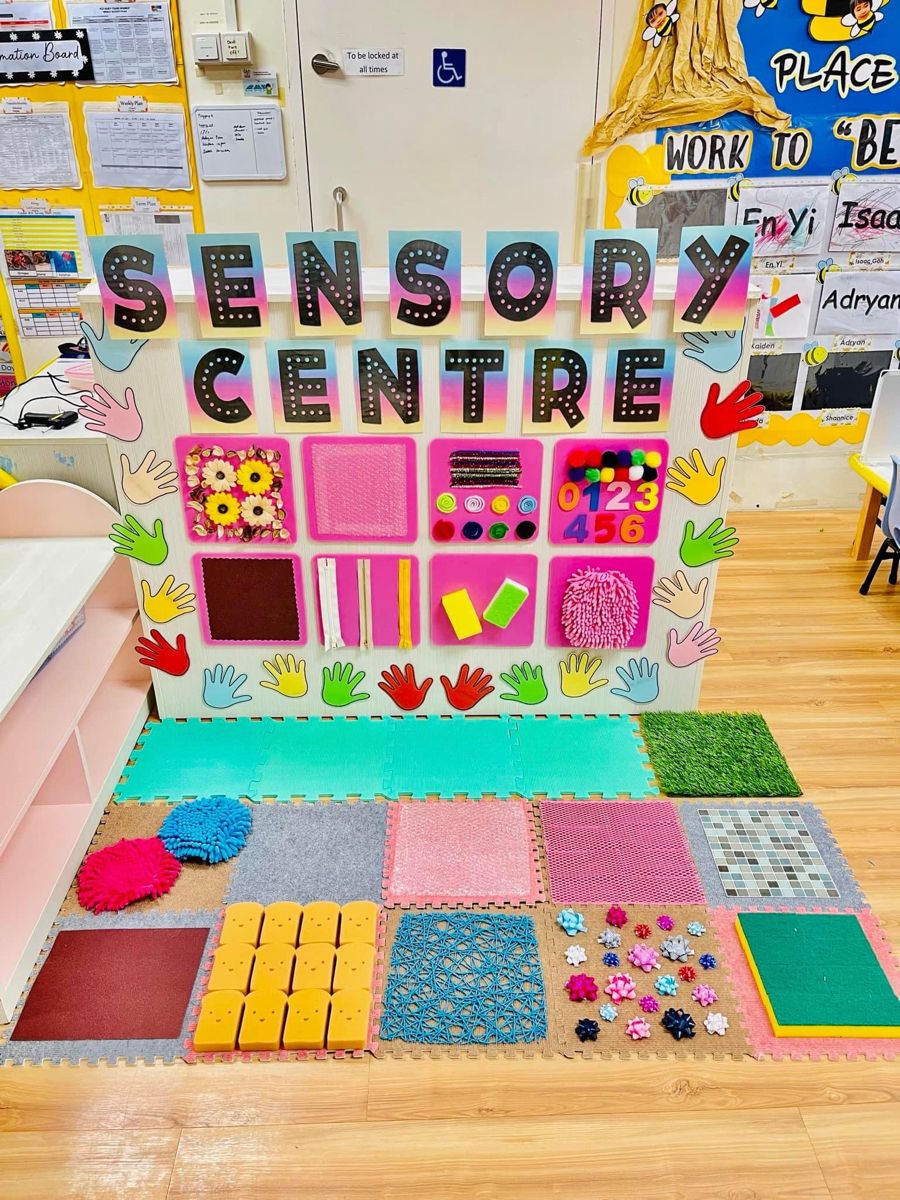
Implementing consistent routines provides a sense of security, while sensory-friendly environments help attenuate overstimulation. Social interaction, too, is a labyrinth; the nuances of social cues, reciprocity, and friendships require explicit teaching and gentle encouragement.
Building a Support Ecosystem: The Power of Community and Professional Guidance
No mother embarks on this journey in isolation. Surrounding oneself with a network of support—ranging from family members to therapists and support groups—creates a safety net woven with shared knowledge and emotional resonance. Professionals such as speech therapists, occupational therapists, and behavioral specialists play indispensable roles in fostering the child’s development and equipping the family with practical tools.

Engaging with communities—both online and offline—also dissolves the isolation that can accompany rare diagnoses, providing a platform for exchanging insights, sharing challenges, and celebrating milestones.
Championing Advocacy and Education: Forging Pathways for a Fulfilling Future
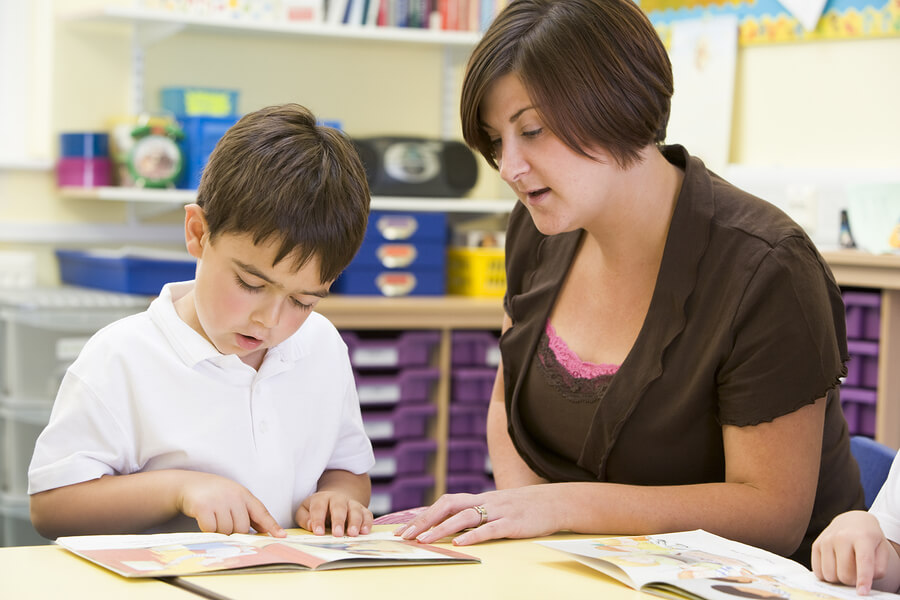
Advocacy becomes a lifelong commitment. It entails navigating educational systems, securing accommodations tailored to the child’s needs, and dismantling misconceptions surrounding autism. Mothers often find themselves not only as caregivers but as vocal champions, striving for inclusion and equity in schools and society.
Educational plans such as Individualized Education Programs (IEPs) are vital instruments enabling personalized learning environments. Equally critical is fostering self-advocacy within the child, empowering them to articulate their needs and embrace their identity with confidence. This dual approach paves a path toward autonomy and societal contribution.
Moments of Magic: Celebrating the Unique and Unseen
Amidst challenges lie moments of profound beauty—those seemingly small experiences that resonate with deep significance. The gleam of joy when a child discovers a passion, the unspoken bond formed through shared routines, or the genuine laughter that fills a once-tense space. These instances defy easy explanation but are the heartbeats of a mother’s journey.
Autistic children often possess extraordinary perspectives—a distinctive lens on the world brimming with authenticity and intensity. Embracing these gifts transforms parenting into an enriching voyage, replete with lessons on patience, empathy, and unconditional love.
In the final tally, raising an autistic child is a mosaic of complex emotions, evolving challenges, and unforeseen rewards. It is a testament to human resilience and adaptability—a narrative that refuses simplification. For those who walk this path, every day offers an invitation: to witness uniqueness, to nurture potential, and to celebrate the extraordinary in the ordinary.