In the intricate tapestry of human experience, the bond between an individual and their pet can be likened to a finely woven thread that brings warmth, color, and unexpected strength. For those on the autism spectrum, this connection can take on profound dimensions, expanding far beyond companionship. Pet ownership is a journey of reciprocal understanding, a symphony of silent communication, and a dance of trust that encompasses both remarkable benefits and nuanced challenges. As with any relationship worthy of nurturing, it requires patience, empathy, and a willingness to navigate the complexities of personality and environment.
The Therapeutic Symphony: Emotional and Psychological Benefits
Autism, often described as a unique constellation of neurological traits, can shape the way emotions are experienced and expressed. Pets, in their unassuming grace, serve as emotional conduits. They offer a serene presence that helps mitigate anxiety and foster emotional regulation, functioning much like a gentle metronome to an otherwise cacophonous inner world. Dogs, cats, and even smaller animals can provide sensory grounding. The steady patter of paws or the soothing rhythm of a pet’s breathing can anchor an individual in the present moment, providing a secure harbor against overwhelming stimuli.
Moreover, pet ownership can nurture social skills, subtly encouraging interpersonal communication through shared responsibilities or community activities such as walking a dog in the neighborhood. This shared experience can ignite a spark of social engagement, often elusive in conventional settings, and cultivate empathy—a bridge between distinct inner universes.

Routines and Responsibility: The Pillars of Stability
For many on the autism spectrum, the world can often feel like a tempest of unpredictability. In such a context, the rhythms of pet care offer a lighthouse — steadfast and reliable. Feeding schedules, grooming rituals, and regular exercise impart a framework of routine that many find comforting. These responsibilities encourage the development of executive functioning skills, such as planning, sequencing, and time management.
Engaging in a structured routine with a pet can foster a sense of mastery and independence. Tasks may initially seem daunting but, over time, become second nature, bolstering self-confidence. This regularity transforms from an obligation to a cherished ritual, enriching day-to-day life.
Challenges Unveiled: Sensory Sensitivities and Communication Barriers
Not all facets of pet ownership glide smoothly along the path of companionship. Sensory processing differences common among autistic individuals can pose challenges. The unpredictable nature of a pet’s movements, vocalizations, or tactile sensations might trigger distress or overstimulation. For example, a dog’s sudden bark or a cat’s sharp claws can break the fragile equilibrium of sensory comfort, leading to heightened anxiety or withdrawal.
Communication, inherently complex, becomes even more layered in the context of autism and pet ownership. Expressing discomfort or understanding a pet’s needs requires sophisticated decoding of signals. Misreads can lead to frustration on both sides, necessitating interventions such as specialized training for pets or tailored support for the owner. Additionally, the physical demands of pet care—walking, cleaning, or vet visits—may sometimes overwhelm, underscoring the need for external support systems.
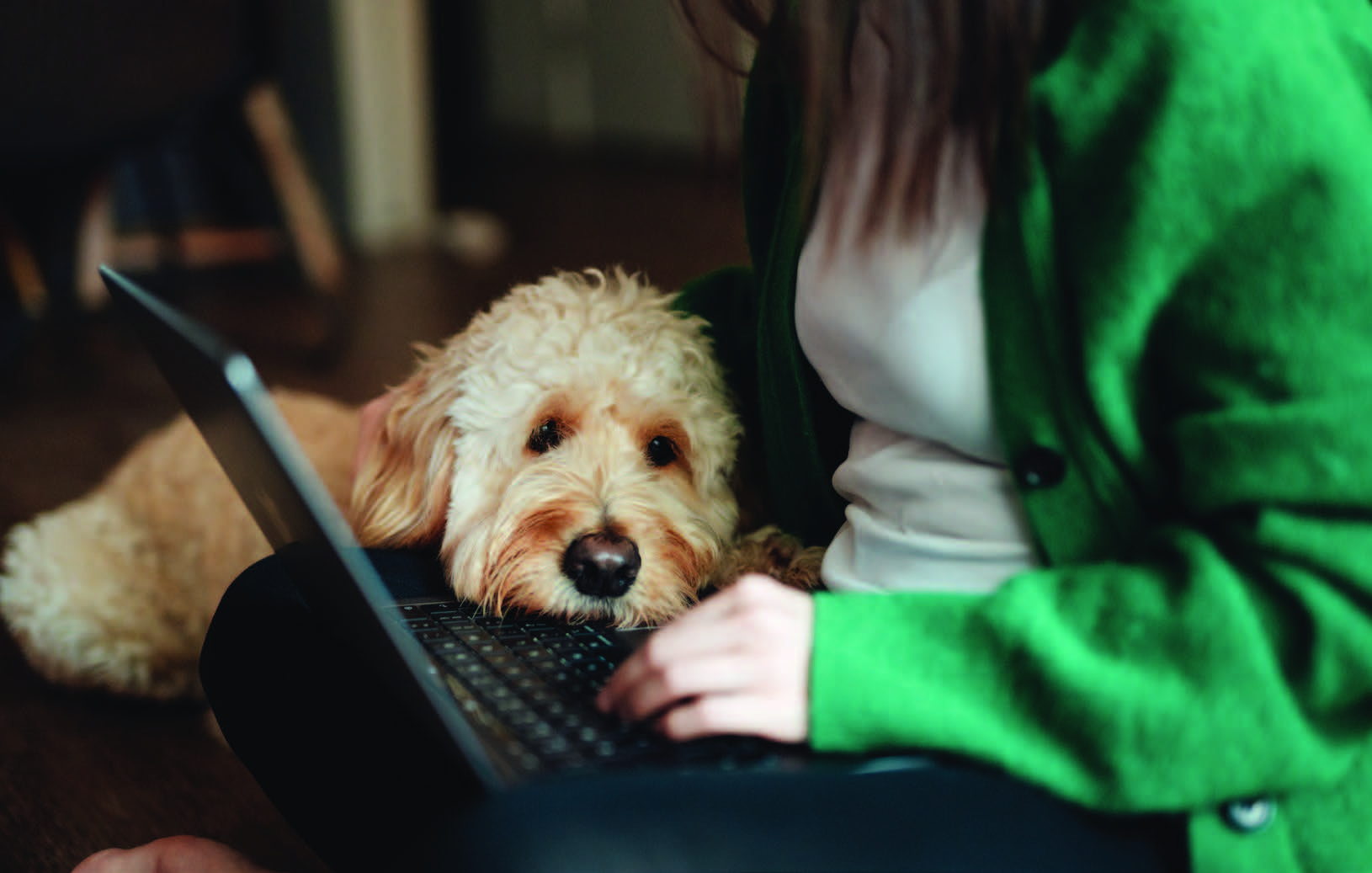
Pets as Catalysts for Growth: Social Connection and Emotional Intelligence
Through the prism of pet ownership, a narrative of growth frequently emerges. Pets often serve as social catalysts, bridging the chasm between isolation and community. Whether at a dog park or during a routine vet visit, these moments create opportunities for natural social interaction, fostering not only friendships but also an enriched sense of belonging.
Furthermore, pets can assist in honing emotional intelligence. The subtle art of reading a pet’s needs and moods mirrors the challenges and triumphs of human relationships, offering a low-risk environment to practice empathy, patience, and emotional reciprocity. This nurturing dynamic can bolster interpersonal skills, translating into more fulfilling human connections over time.
Customizing the Experience: Choosing the Right Pet
Selection plays a pivotal role in the success of the pet-owner relationship. Considering factors such as temperament, size, activity level, and sensory impact is essential. For individuals who might be sensitive to noise or touch, a smaller, calmer animal may provide a better fit compared to a high-energy dog. Others might find solace in unconventional companions such as fish tanks or small mammals, which offer tranquility without overwhelming sensory input.
Deliberate matching ensures the pet is not only a source of comfort but also a partner in life’s journey. Investing thought into this decision safeguards against mismatch frustrations and enhances the potential for a fulfilling, harmonious bond.

Conclusion: Embracing the Mosaic of Pet Ownership and Autism
Pet ownership for individuals on the autism spectrum is a multifaceted odyssey, weaving threads of emotional solace, personal growth, and occasional challenge into a beautiful mosaic. Pets illuminate paths to connection where words sometimes falter, offering unconditional companionship and a grounding presence in an ever-changing world. Yet, this relationship demands thoughtful consideration, accommodation, and support to thrive.
Within this delicate interplay lies a unique appeal—a testament to the profound ways animals and humans can enrich each other’s lives, transcending differences and creating a sanctuary of understanding and acceptance. As we continue to unravel the layers of this bond, it becomes clear that pet ownership is not merely an activity but an evolving narrative of resilience, empathy, and mutual respect.