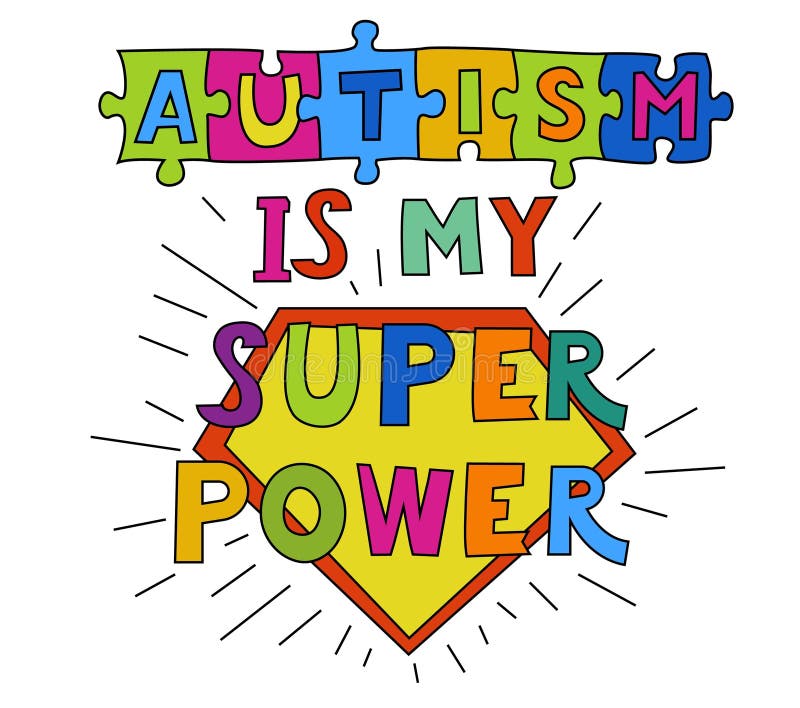
The concept of neurodiversity has long been a lens through which society examines autism, yet its intersection with Indigenous cultures reveals a tapestry of wisdom often overlooked. In the vast, uncharted territories of tradition and modernity, Indigenous communities offer a perspective that transcends the clinical definitions of autism, weaving it into the very fabric of their worldview. Autism, in these contexts, is not merely a neurological variance but a sacred thread in the grand tapestry of human diversity—a thread that connects the past to the present, the seen to the unseen.
Imagine, for a moment, the land as a living entity, breathing and pulsating with the rhythms of life. Indigenous cultures perceive the world in such holistic terms, where every element, from the whispering winds to the silent stones, holds a story. Autism, in this framework, is akin to the rare and radiant aurora borealis—a phenomenon that illuminates the night sky with colors unseen by most, yet undeniably present. It is a reminder that the natural world, much like human cognition, thrives on diversity, each variation contributing to the brilliance of existence.

The Land Speaks: Autism as a Cultural Keystone
In many Indigenous traditions, the land is not just a physical space but a living archive of knowledge, where every rock, river, and tree carries the whispers of ancestors. Autism, in this context, is often seen as a bridge between the tangible and the intangible—a role that aligns with the cultural reverence for those who perceive the world differently. Elders in some communities describe autistic individuals as “listeners,” those who hear the silent songs of the earth, the unspoken languages of nature.
Consider the Anishinaabe concept of minobimaatisiiwin, the “good life,” a philosophy that emphasizes balance and harmony. Autism, in this worldview, is not a deviation but a different frequency of existence, one that resonates with the natural cadence of the world. These individuals are often the keepers of oral traditions, the ones who remember the stories that others might forget, their minds operating like intricate, living libraries.
The Sacred Role of the “Different Mind”
Across Indigenous cultures, there exists a recurring theme: the veneration of those who think, feel, and perceive the world in ways that defy convention. In some First Nations communities, autistic individuals are seen as “two-spirited,” embodying a liminal space between the seen and unseen, the human and the spiritual. Their presence is not just accepted but revered, for they are believed to hold the keys to realms that others cannot access.
In the traditions of the Māori, for instance, autism is sometimes associated with the concept of tohunga, a term that denotes both a skilled expert and a person of spiritual significance. Autistic individuals may be seen as tohunga of intuition, their heightened sensitivities allowing them to navigate the complexities of human emotion and the unseen forces of the natural world. Their challenges—such as difficulties with social cues—are often reframed as strengths, their focus on detail akin to the precision of a master carver shaping a piece of wood into art.
The Healing Power of Community
Indigenous communities have long understood that healing is not an individual endeavor but a collective one. Autism, in this context, is not pathologized but integrated, its challenges met with communal support and its gifts celebrated. The concept of ubuntu—”I am because we are”—resonates deeply here, for it underscores the idea that one’s existence is validated through connection.
In some Indigenous societies, autistic individuals are not subjected to the same pressures of conformity as in Western contexts. Instead, they are given the space to express themselves in their own time and manner, their unique ways of communicating met with patience and understanding. The rhythm of their lives is not forced into the metronome of societal expectations but allowed to flow like the meandering rivers that carve their paths through the land.
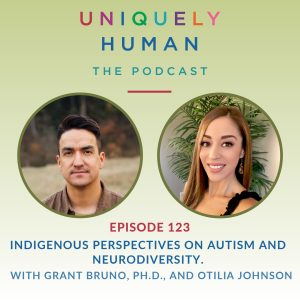
The Bridge Between Worlds: Autism and Indigenous Storytelling
Storytelling is the lifeblood of Indigenous cultures, a vessel that carries the wisdom of generations. Autistic individuals, with their often-rich inner worlds and vivid imaginations, are natural storytellers. Their narratives are not confined to the linear structures of conventional storytelling but may unfold like dreams, weaving together disparate threads into a cohesive, albeit unconventional, tapestry.
In the oral traditions of the Navajo, for example, the concept of Hózhǫ́—a state of balance and harmony—is central. Autistic individuals are sometimes seen as those who embody Hózhǫ́ in their ability to perceive the world in its entirety, unfiltered by the biases of societal norms. Their stories, whether through art, music, or spoken word, serve as bridges between the physical and spiritual realms, inviting listeners to see the world through a lens of wonder and possibility.
The Challenges and the Call to Action
Despite the deep cultural reverence for neurodiversity, Indigenous communities are not immune to the challenges posed by modernity. The encroachment of Western diagnostic frameworks, with their rigid criteria and medicalized language, can sometimes overshadow the nuanced, holistic understandings of autism that have existed for centuries. The pressure to conform to societal norms can lead to the marginalization of autistic individuals, their gifts overlooked in favor of a one-size-fits-all approach to “normalcy.”
Yet, there is a growing movement within Indigenous communities to reclaim and revitalize their own understandings of autism. Elders, knowledge keepers, and autistic individuals themselves are leading the charge, advocating for a return to the wisdom of the ancestors. They emphasize the importance of language, ensuring that the terminology used to describe autism is rooted in cultural context rather than clinical jargon. They advocate for education systems that honor neurodiversity, where autistic children are not forced to suppress their true selves but are encouraged to flourish in environments that celebrate their uniqueness.
The Future: A Tapestry Woven with Many Threads
The future of autism within Indigenous communities is one of reconciliation—between tradition and modernity, between the seen and the unseen, between the individual and the collective. It is a future where autistic individuals are not just tolerated but celebrated, their contributions to the cultural fabric recognized and revered. It is a future where the land, the stories, and the people exist in harmony, each element contributing to the richness of the whole.
As society continues to grapple with the complexities of neurodiversity, there is much to learn from the Indigenous perspectives that have long held autism as a sacred and integral part of human existence. By embracing these wisdom traditions, we open ourselves to a world where difference is not just accepted but cherished—a world where the unique threads of each individual are woven into the grand tapestry of life, creating a masterpiece of unparalleled beauty.
The land whispers its secrets to those who listen, and autism, in the heart of Indigenous communities, is one of those secrets—a reminder that the world is far more vast, far more wondrous, than we ever imagined.