Autism, as a complex neurodevelopmental condition, has often been misunderstood in popular discourse. The proliferation of myths and misconceptions has clouded genuine understanding, leading to stigmas that hinder inclusive progress. It’s time to dismantle these pervasive fallacies and invite a profound shift in perspective—one that embraces the nuanced realities of autism and the unique experiences of those on the spectrum. Let’s journey through ten common misconceptions, deconstructing each and illuminating truths that demand recognition.
Misconception 1: Autism is a Disease That Needs a Cure
Many perceive autism as a pathological ailment, an abnormal state that requires fixing or curing. This view not only pathologizes but marginalizes individuals with autism, framing their personalities and behaviors as deficits. Autism is better understood as a different neurological wiring—a variation in cognitive and sensory processing. It’s a lifelong identity rather than an illness. Embracing this neurodiversity model champions acceptance over eradication, encouraging society to adapt and celebrate diverse ways of thinking.

Misconception 2: All Individuals with Autism Have Intellectual Disabilities
Autism manifests heterogeneously, and intelligence is neither indicative of the diagnosis nor uniformly affected. While some individuals may experience cognitive impairments, many possess average or above-average intelligence. The idea that autism equals intellectual disability oversimplifies the spectrum and ignores the complex interplay of capabilities that shape a person’s profile. Equating autism exclusively with intellectual challenges undermines the varied talents and potentials present within this community.
Misconception 3: People with Autism Lack Empathy
This fallacy is rooted in a misinterpretation of social communication differences. Autism does not equate to an absence of empathy; rather, expressing or recognizing emotions externally may diverge from neurotypical norms. Some individuals may process feelings internally or express empathy differently, demonstrating compassion in subtler or less conventional ways. To label autistic individuals as unempathetic is to disregard the complexity of emotional intelligence across diverse neurotypes.
Misconception 4: Autism Only Affects Children
Autism is a lifelong condition. Although it is often identified in early childhood, adults on the spectrum live rich, multifaceted lives with unique experiences and challenges. The misconception that autism “disappears” or is only relevant to children marginalizes adult autistic individuals and neglects the necessity for ongoing support, accommodations, and understanding throughout a person’s lifetime.
Misconception 5: Vaccines Cause Autism
This discredited notion persists despite overwhelming scientific evidence refuting any causal connection between vaccinations and autism. The myth has had detrimental consequences, fueling vaccine hesitancy and public health risks. Understanding the origins and spread of this misconception is crucial to combatting misinformation and promoting health and safety. Autism’s genesis lies in complex genetic and environmental factors—not in immunizations.
Misconception 6: Autistic People Are Socially Withdrawn or Aloof
The stereotype that individuals with autism prefer complete isolation or lack interest in social connection is misleading. Many autistic people yearn to forge relationships and engage with others but may struggle with the nuances of social interaction. This can result in misunderstanding rather than true aloofness. Recognizing their desire for authentic connection and creating environments that accommodate different social needs fosters deeper inclusion and understanding.

Misconception 7: Autism is Always Immediately Evident
Some autistic traits are subtle or easily masked, making the condition less conspicuous. Many individuals employ coping mechanisms, consciously or unconsciously camouflaging their differences to navigate daily life. This contributes to diagnostic delays and under-recognition, especially in females or those with milder expressions. Autism’s presentation is often more complex than initial impressions suggest.
Misconception 8: Autistic Individuals Are Emotionally Unstable or Prone to Outbursts
Emotional dysregulation can occur but is not an inherent characteristic of autism itself. Outbursts or meltdowns frequently reflect overwhelming sensory stimuli or communication frustrations rather than arbitrary emotional volatility. Understanding the triggers and developing supportive strategies can improve quality of life and reduce misconceptions about behavior being willfully disruptive.
Misconception 9: Autism Limits the Ability to Lead Successful Lives
Many autistic individuals excel in diverse fields such as technology, arts, sciences, and entrepreneurship. Success, measured by personal fulfillment and societal contribution, is not exclusive to neurotypical standards. Emphasizing abilities over limitations encourages empowerment and dismantles societal barriers that inhibit opportunity.
Misconception 10: Autism is the Same for Everyone
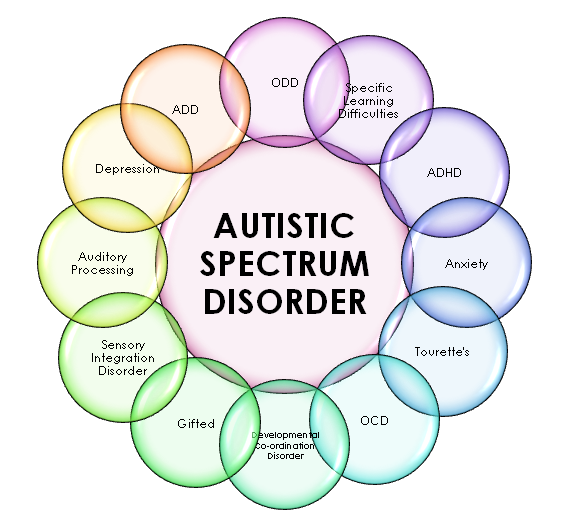
The phrase “spectrum” is not metaphorical—it reflects the vast diversity in how autism is experienced. Variations span communication styles, sensory sensitivities, interests, and needs. Avoiding reductive stereotypes fosters appreciation of individual uniqueness, ensuring supports and interventions are tailored rather than generalized.

The journey toward understanding autism demands transcending surface-level assumptions and embracing a spectrum of lived experiences. Dispelling these ten misconceptions removes barriers built by ignorance and fear, inviting a more empathetic and informed perspective. In doing so, society takes a significant step—rekindling respect, dignity, and genuine inclusion for individuals with autism.