
When it comes to clothing, the experience transcends mere aesthetics; it delves into the realm of physical sensation, emotional comfort, and self-expression. For individuals with autism spectrum disorder (ASD), traditional apparel often fails to meet these nuanced needs, triggering discomfort, anxiety, or sensory overload. However, a burgeoning movement is reshaping this narrative. The advent of autism-friendly clothing brands signals not just a design innovation but a profound shift in how the fashion industry perceives and accommodates sensory diversity. This exploration unpacks 15 pioneering brands that are transforming wardrobes into sanctuaries of comfort, style, and inclusivity.
Understanding the Imperative for Sensory-Friendly Apparel
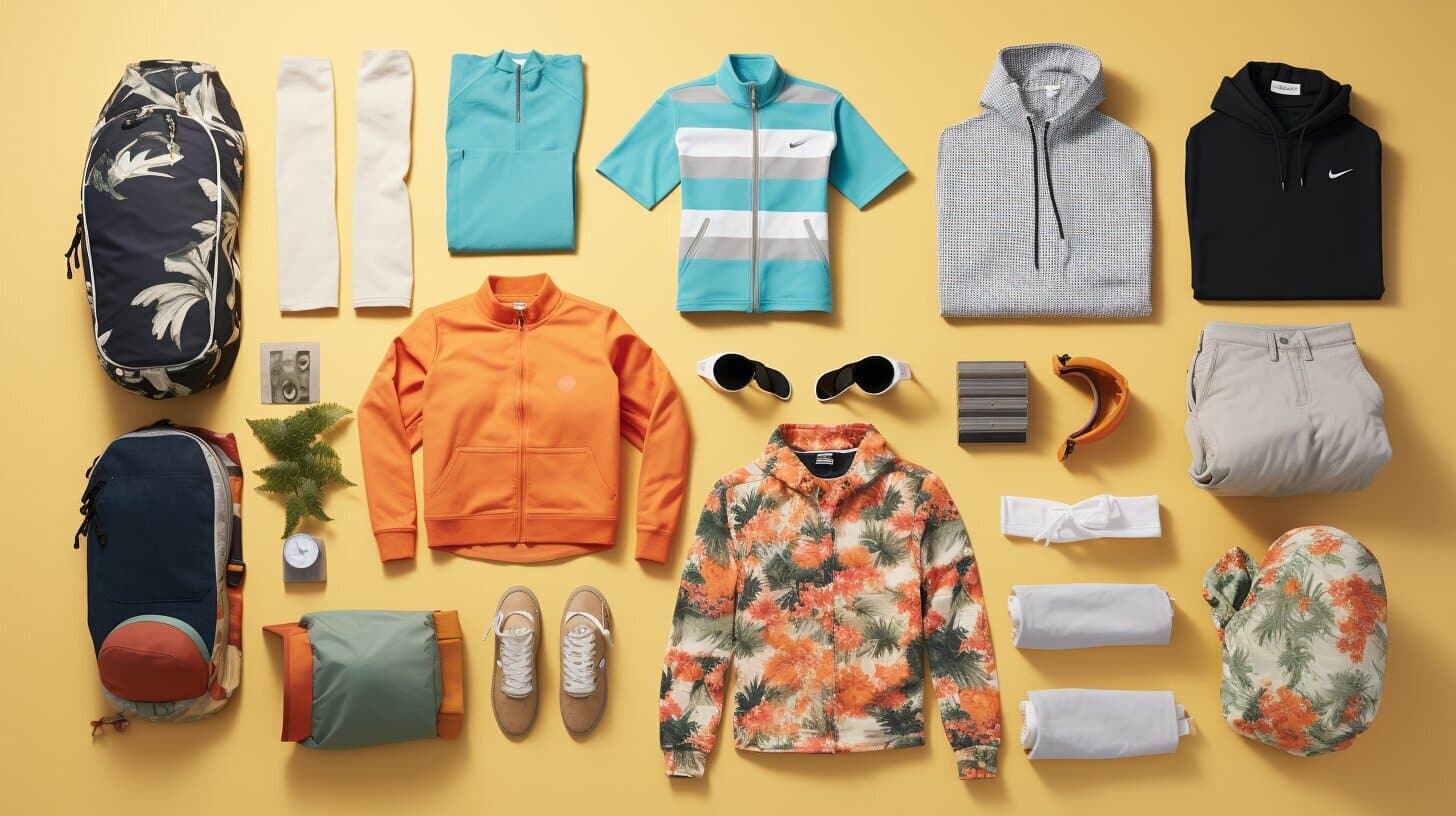
Clothing designed for sensory needs addresses hypersensitivities and sensitivities to fabric textures, seams, tags, and pressure. This specialized apparel prioritizes soft materials, adaptive fastenings, and seamless construction to mitigate irritation and overstimulation. More than just functional garments, they serve as empowering tools, enabling wearers to embrace their individuality without compromise. The brands that champion these principles weave innovation, empathy, and practicality into every stitch, offering a reprieve from the discomfort that standard clothing may impose.
1. SoftWear Clothing: The Fusion of Comfort and Sustainability
Emerging as a beacon of eco-conscious design, SoftWear Clothing integrates organic fabrics with sensory-friendly features. Their garments boast tagless labels, flat seams, and flexible fits, ideal for those with tactile aversions. Beyond comfort, SoftWear’s commitment to sustainability fosters a harmonious relationship between wearer well-being and environmental stewardship.
2. SmartKnitKIDS: Seamless Engineering for All-Day Wear
SmartKnitKIDS revolutionizes daily wear by eliminating seams where discomfort typically arises. Their adaptive designs, crafted with soft, breathable fabrics, ease dressing challenges, especially for children with limited dexterity. The brand’s promise lies in blending function with fashion, enabling self-confidence through improved mobility and comfort.
3. Zappos Adaptive: Mainstream Meets Accessibility
Zappos Adaptive exemplifies inclusivity on a grand scale, providing a wide spectrum of adaptive clothing that caters to sensory sensitivities without sacrificing style. Their easy-access openings and magnetic closures showcase innovation that simplifies dressing routines, all while maintaining contemporary aesthetics.
4. Parent’s Choice Sensory: Empathy Woven In
Built upon the insights of caregivers and occupational therapists, Parent’s Choice Sensory imbues its designs with a profound understanding of sensory triggers. Ultra-soft fabrics, adjustable fits, and elimination of tags create garments that feel custom-made for comfort, meeting the demands of hyper-sensitive skin and anxious feelings.
5. Tommy Hilfiger Adaptive: Blurring the Lines Between Fashion and Function
If high fashion and sensory-awareness had a harmonious blend, Tommy Hilfiger Adaptive would embody it. This line features magnetic closures, adjustable hems, and elastic waistbands, delivering accessibility without overt adaptation cues. Their aesthetic transcends special needs, inviting wearers to embrace style and comfort simultaneously.
6. Target’s Cat & Jack Adaptive: Affordable Sensory Solutions
Retail giants have begun to recognize the need for adaptive clothing, with Target’s Cat & Jack Adaptive collection offering budget-friendly options enriched with sensory-friendly characteristics. Their user-centric designs, including side zippers and tagless labels, ensure that sensory needs do not come at a financial premium.
7. Invisible Undercovers: The Understated Comfort Revolution
Invisible Undercovers specializes in seamless underwear and base layers, crucial for reducing sensory overload. Utilizing butter-soft nylon blends and ergonomic fits, these essentials set the foundation for a day free from irritation and distraction.
8. MagnoFold: Adaptive Outerwear for Changing Sensory Needs
Outdoor apparel often poses challenges due to bulky seams and stiff materials. MagnoFold confronts these issues head-on by integrating magnetic closures and stretchable fabrics into jackets and coats, facilitating effortless dressing while controlling tactile discomfort.
9. Tommy John Adaptive: Redefining Intimates’ Comfort
Complementing outerwear innovations, Tommy John Adaptive crafts underwear with smooth, tag-free linings and flexible waistbands that minimize touchpoints of irritation. Their garments appeal to adults seeking discreet solutions to everyday sensory challenges.
10. Silly Billyz: Playful Comfort for Children
With a whimsical approach, Silly Billyz focuses on children’s apparel that incorporates sensory-friendly features such as adjustable waistbands and ultra-soft fabrics. The brand bridges the gap between functionality and childlike exuberance, ensuring that comfort never comes at the expense of fun.
11. Smilling Kids: Nurturing Confidence Through Clothing
Understanding the emotional interplay between dress and self-esteem, Smilling Kids designs clothes that embrace ease and accessibility. Their soft textiles and simplified designs empower children, reducing dressing time and frustration.
12. Lauren’s Hope: Adaptive Accessories to Complete the Ensemble
Beyond clothing, Lauren’s Hope curates adaptive accessories—be it sensory-friendly hats, gloves, or shoes—designed with the same thoughtful intent. These additions enhance comfort and functionality, rounding out a holistic sensory wardrobe.
13. Matilda Jane Clothing Company: Fashion with a Sensory Conscience
Matilda Jane integrates sensory-friendly details subtly into their vibrant, fashion-forward collections. Their use of gentle fabrics and tagless designs make their clothing suitable for children navigating sensory sensitivities without compromising style.
14. Autism Gear: Purpose-Built for Sensory Comfort
Specifically dedicated to autism-friendly apparel, Autism Gear harnesses feedback from the community to tailor designs that reduce sensory triggers. Their patented sensory tags and seamless cuts stand as testaments to innovation woven with empathy.
15. Under the Nile: Organic Comfort Meets Ethical Production
Prioritizing organic cotton and fair trade practices, Under the Nile delivers sensory-friendly clothing that not only nurtures the skin but also upholds global ethical standards. Their collection embodies a conscientious choice for families seeking both comfort and social responsibility.
A Paradigm Shift: Beyond Clothing
The emergence of these brands signals more than product evolution—it is a cultural pivot that champions neurodiversity. Sensory-friendly clothing challenges conventional fashion paradigms and redefines what it means to dress well. The narrative shifts from one of compromise and discomfort to an empowering dialogue about inclusivity and respect.
In embracing such apparel, individuals with autism are not just wearing clothes; they are draping themselves in dignity, independence, and self-assurance. The brands that lead this movement illuminate a future where sensory needs are not afterthoughts but foundational design principles.
The journey toward sensory-friendly fashion is ongoing and ever-expanding. By supporting these brands and advocating for inclusive design, society collectively steps toward a world where clothing is accessible, enjoyable, and affirming for everyone—regardless of sensory preference or neurological makeup.












