Parenting a child on the autism spectrum is a journey filled with unique challenges, profound moments of insight, and an ever-deepening understanding of neurodiversity. The literature surrounding autism is as expansive and diverse as the spectrum itself, offering parents resources that range from personal narratives to scientific exploration, practical guides to profound philosophical reflections. Selecting the right books can equip parents with knowledge, empathy, and strategies tailored to their family’s needs. This curated compilation of 15 exceptional books about autism for parents serves as a beacon—illuminating different dimensions of the autistic experience and providing holistic support through written wisdom.
Essentials of Understanding Autism: Foundational Knowledge
The journey begins with a grasp of the fundamental concepts of autism spectrum disorder (ASD). Books in this category elucidate the clinical and behavioral characteristics of autism, debunk myths, and present recent scientific findings. They serve as a foundation for parents who yearn to understand their child’s unique neurology beyond diagnostic labels.
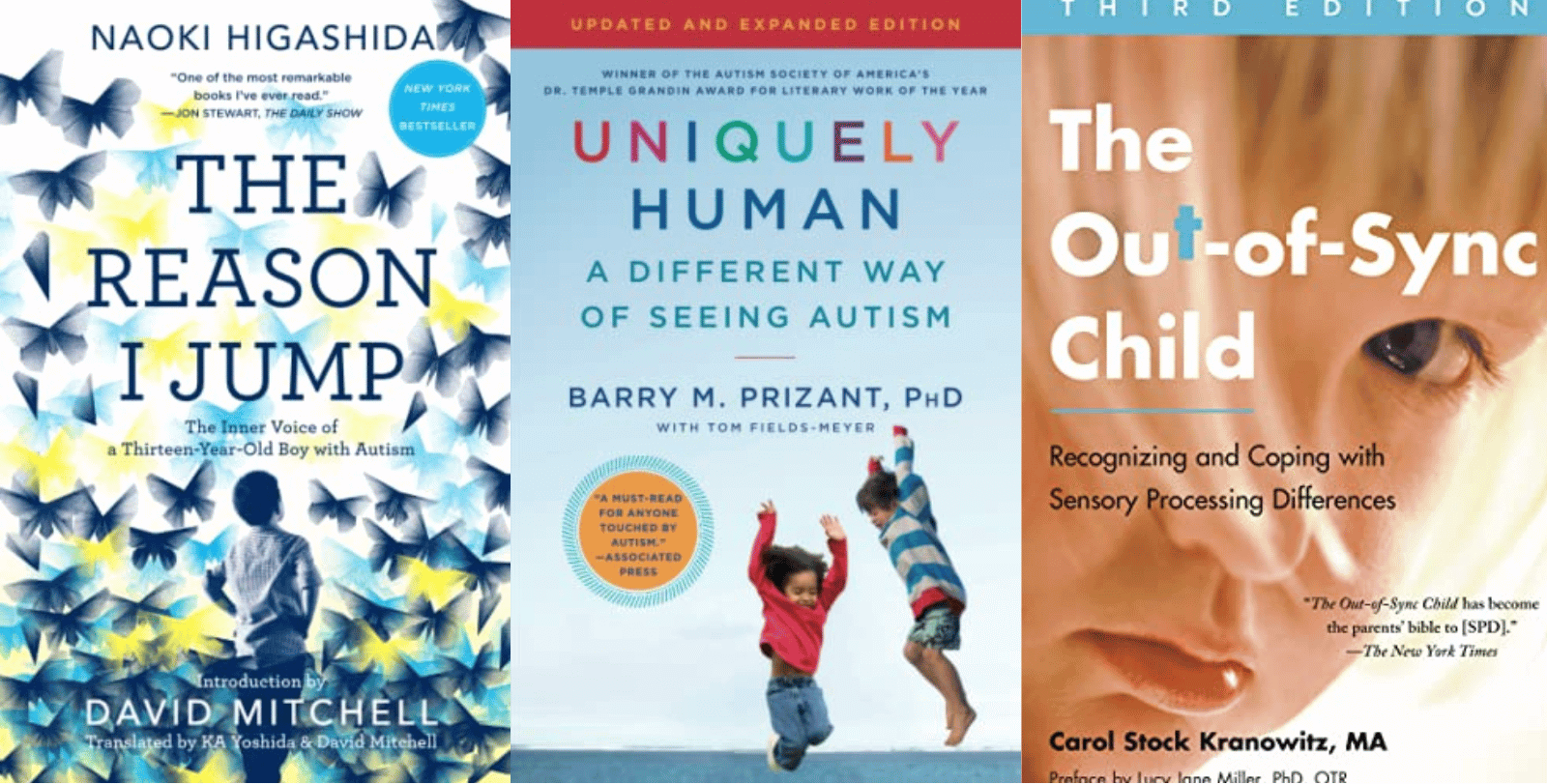
These works often utilize accessible language to bridge the gap between complex research and everyday comprehension, offering insights into sensory profiles, communication styles, and social interactions. Their comprehensive yet digestible content helps parents reframe their perceptions with compassion and clarity.
Practical Parenting Strategies and Interventions
Beyond understanding lies application. Parents seek strategies to nurture their child’s development, manage challenging behaviors, and foster effective communication. Books in this sphere provide step-by-step guides, behavioral interventions, and methods tailored for various developmental stages.
Several texts delve into Applied Behavior Analysis (ABA), sensory integration techniques, and assistive technology, equipping parents with tools that can be personalized to their child’s strengths and challenges. These resources often include anecdotes from clinicians and families, illustrating nuanced approaches that respect a child’s individuality.
Emotional Support and Mental Health for Parents
The emotional odyssey of parenting a child with autism often involves navigating feelings of uncertainty, grief, and resilience. Specialized books address the psychological well-being of parents and caregivers, emphasizing self-care and coping mechanisms.
Through narratives and expert counsel, these works validate the complex emotions parents may experience. They underscore the importance of maintaining mental health to cultivate an environment where both child and parent can flourish harmoniously.
Voices from the Autistic Community
A profound understanding unfurls when parents engage directly with perspectives from autistic individuals themselves. Several books are authored by autistic people, sharing their life stories, challenges, celebrations, and insights into the social constructs surrounding autism.
This category enriches parental awareness by dismantling stereotypes and advocating for neurodiversity acceptance. It invites parents into a dialogue that expands empathy and enhances advocacy efforts.
Educational Perspectives and Advocacy
Education is a cornerstone concern for many parents. Books focusing on educational planning, Individualized Education Programs (IEPs), and inclusive schooling provide actionable advice on navigating the academic landscape.
They often include guidance on collaborating with educators, understanding legal rights, and fostering learning environments that accommodate diverse sensory and cognitive needs. Empowerment through knowledge here translates into more effective advocacy for tailored educational experiences.
Sibling and Family Dynamics
The autism journey invariably impacts the entire family constellation. Select books focus on sibling relationships and family dynamics, offering strategies to promote understanding, sibling support, and healthy communication within the household.
These narratives illuminate ways to balance the varying needs and emotions of every family member, fostering cohesion and resilience.
Transition to Adulthood and Future Planning
Parents inevitably contemplate the long-term trajectory of their child’s life. Literature dedicated to adolescence, transition to adulthood, and independence explores topics such as vocational training, social relationships, and legal considerations.
These resources provide roadmaps for guiding children toward fulfilling adult lives, emphasizing self-advocacy, community integration, and sustainable support systems.
Holistic and Alternative Approaches
Some parents seek complementary strategies that transcend conventional methodologies. Books addressing diet, mindfulness, occupational therapy, and animal-assisted interventions offer insights into holistic care.
While maintaining a critical eye on evidence bases, these works encourage exploration of diverse modalities to enrich a child’s development and well-being.
Conclusion: Enriching the Parenting Journey Through Literature
The corpus of literature available to parents of children with autism is a rich tapestry woven from scientific research, lived experience, empathy, and hope. Whether seeking foundational knowledge, practical tools, emotional support, or insight into the autistic perspective, parents can find books that resonate deeply with their individual journeys.
Engagement with this diverse range of texts empowers parents to become advocates, compassionate guides, and unwavering pillars of support for their children. Ultimately, these 15 remarkable books form more than a reading list—they are companions in the evolving narrative of parenting within the vibrant spectrum of autism.