
Imagine a vast constellation of stars, each gleaming with its own distinct hue and rhythm, collectively composing a cosmos that is both dazzling and complex. Autism Spectrum Disorder (ASD) is much like that celestial tapestry—a dynamic mosaic of diverse traits, experiences, and capabilities, all interwoven to form a unique human narrative. Far from a monolithic condition, ASD represents a spectrum as varied and multifaceted as the stars themselves, beckoning us to explore its intricacies with both curiosity and compassion.
Decoding Autism Spectrum Disorder: A Neurodevelopmental Overview
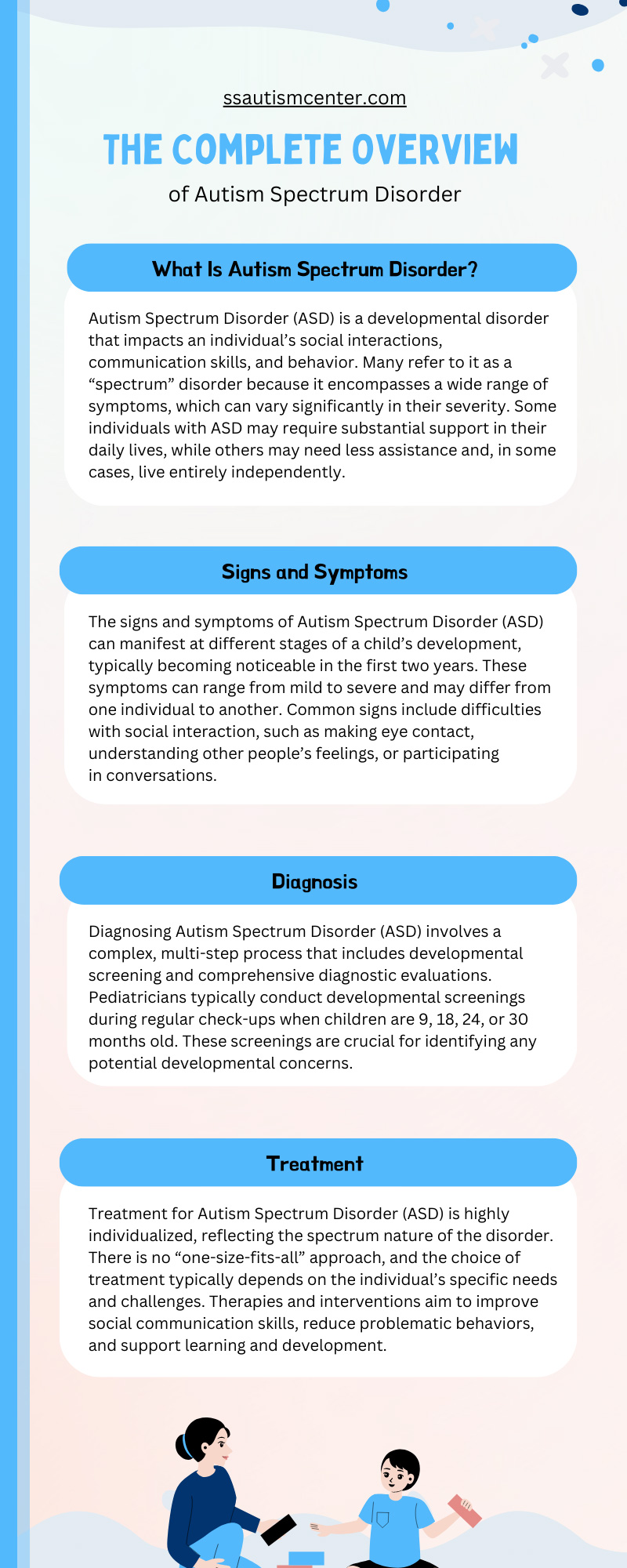
At its core, Autism Spectrum Disorder is a neurodevelopmental condition characterized by differences in communication, behavior, and social interaction. The term “spectrum” is no mere metaphor; it reflects a continuum of manifestations and intensities that can range from subtle social challenges to profound difficulties requiring substantial support. This breadth underscores the importance of recognizing ASD not as a single diagnosis but rather as a complex cluster of traits influenced by genetic, biological, and environmental factors.
Neurodiversity advocates have long emphasized that ASD should be perceived through the prism of neurological difference rather than deficiency. The wiring of the autistic brain fosters distinctive patterns of perception and cognition, often endowed with exceptional strengths such as heightened attention to detail, profound memory, or remarkable problem-solving skills. These attributes paint ASD as a type of human variation, contributing to the rich spectrum of human intellect and creativity.
Core Characteristics: The Pillars of the Spectrum
The clinical tapestry of ASD unravels principally along three intertwined domains: social communication, restrictive and repetitive behaviors, and sensory sensitivities. Each domain contributes distinct textures to the individual’s experience.
Social Communication and Interaction
Individuals with ASD often navigate the social world with a different compass. Challenges may arise in interpreting non-verbal cues like facial expressions, gestures, or tone of voice. Conversations might require an extra layer of conscious effort, and subtle social norms may seem inscrutable. Yet, this does not diminish their capacity for meaningful relationships; instead, it demands that society learn new languages of empathy and understanding.
Restrictive and Repetitive Behaviors
Behaviors characterized by repetition or intense focus are hallmark features of many on the spectrum. These routines and rituals provide stability and predictability in a world that might otherwise seem overwhelming. Whether it’s a fascination with patterns, objects, or particular interests pursued with unrelenting passion, these behaviors reveal a unique cognitive intensity and perseverance.
Sensory Processing Differences
Sensory experiences can be magnified or muted, creating sensations that are sometimes profoundly uncomfortable or extraordinarily enriching. The autistic sensory universe might encompass hypersensitivity to sounds, lights, or textures—or paradoxically, remarkable tolerance for stimuli that others might find distressing. This atypical sensory input shapes daily experiences and choices in ways that are often invisible but deeply influential.

The Etiology and Complexity of Autism
The origins of ASD are as multifaceted as its manifestations. Although no single cause has been pinpointed, a convergence of genetic predispositions and environmental triggers plays a pivotal role in its development. Advances in neuroscience reveal alterations in brain connectivity and function, suggesting that ASD is deeply rooted in neurobiology. Scientists continue to investigate the interplay between genes and early developmental influences to better understand this enigmatic condition.
Far from deterministic or simplistic, the genesis of autism unfolds as a narrative woven from the strands of biology, prenatal environment, and early neural plasticity. This complexity challenges outdated reductionist models and invites a more holistic, nuanced perspective.
Diagnosis: Navigating the Spectrum’s Boundaries
Identifying Autism Spectrum Disorder involves a comprehensive evaluation by interdisciplinary professionals, encompassing developmental history, behavioral observations, and standardized assessments. Early diagnosis is particularly crucial, as it opens pathways to tailored interventions and support systems. However, given the variegated nature of ASD, diagnosis can be elusive—especially in individuals whose traits are subtle or who mask their differences consciously.
The diagnostic process acknowledges the individuality of each person, avoiding a one-size-fits-all label. Instead, it seeks to chart an individual’s position within the spectrum, recognizing strengths alongside challenges, and informing a personalized approach to care and accommodation.
Supporting Individuals on the Spectrum: Strategies and Considerations
Support for those with ASD is as diverse as the spectrum itself. Effective interventions are grounded in respect for autonomy and emphasize enhancing quality of life. Behavioral therapies, speech and occupational therapy, educational accommodations, and sensory integration techniques form a constellation of tools that can empower individuals and their families.
Equally vital is societal inclusion and acceptance. The true measure of support transcends clinical care and enters the realm of cultural transformation—where differences are not merely tolerated but celebrated as valuable facets of human diversity. Employment initiatives, community programs, and advocacy efforts play essential roles in dismantling barriers and fostering belonging.
Living with Autism: The Unique Appeal of Neurodivergence
Living with ASD is not solely defined by challenges—it is equally a narrative rich with distinct perspectives and talents. Many individuals on the spectrum possess extraordinary creativity, intense focus, and innovative thinking that propel contributions in fields ranging from technology to the arts. The uniqueness that ASD embodies invites a reframing of societal notions around ability and potential.
Understanding and embracing the strengths inherent in neurodivergence illuminates new possibilities for collaboration and mutual enrichment. It teaches profound lessons about acceptance, adaptability, and the vast range of human experience.

Conclusion: A Spectrum of Infinite Possibility
Autism Spectrum Disorder, like the stars in a boundless night sky, holds infinite variations and luminous potential. It defies simplistic categorization, demanding a profound appreciation for the nuances that characterize individuals on this spectrum. By embracing ASD as a vital thread in the rich fabric of humanity, society embarks on a transformative journey—one that honors difference, fosters empathy, and unlocks the myriad possibilities of the human mind.
The allure of the spectrum lies in its boundless diversity and enduring mystery. As understanding deepens, so too does the opportunity to create worlds where every star, regardless of its orbit or glow, is seen, valued, and celebrated.












