Autism has long intrigued both the medical community and the general public, often eliciting a complex blend of curiosity, misunderstanding, and sometimes misguided assumptions. This fascination arises partly due to the spectrum’s intricate manifestations and the deeply personal nature of neurological difference. Yet, amidst this interest, myths proliferate—clouding the reality experienced by millions. To truly comprehend autism, it is paramount to disentangle fact from fiction and embrace a nuanced understanding supported by expert insight.
The Spectrum Is Not One-Size-Fits-All
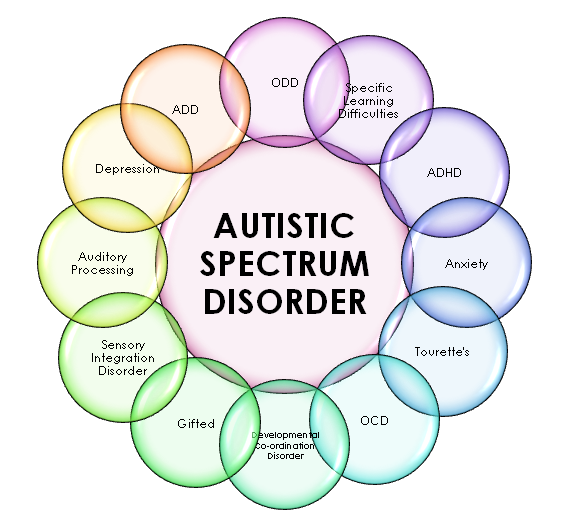
One prevailing misconception is that autism presents uniformly across all individuals. Many envision a singular portrayal—often a stereotype shaped by media and anecdotes. However, autism is a broad spectrum, encompassing a diverse array of abilities, behaviors, and challenges. Some individuals may be nonverbal, while others possess advanced verbal skills. Intellectual capabilities range widely, from profound disabilities to above-average intelligence. This heterogeneity underscores why blanket statements about autism are misleading.

The fascination with this spectrum lies in its vastness—reflecting the complexity of human neurology rather than a fixed category. Recognizing this diversity enables society to appreciate individuality rather than confining expectations based on incomplete awareness.
Autism Is Not Caused by Vaccines
The assertion linking vaccines to autism remains one of the most persistent and damaging myths. Despite extensive scientific research discrediting this claim, vaccine hesitancy fueled by misinformation jeopardizes public health efforts. The origin of this myth traces back to a discredited study, yet its echoes persist far beyond the scientific community.
Experts emphasize that autism is a neurodevelopmental condition with multifactorial etiologies, including genetic and environmental factors, none connected causally to vaccinations. This myth’s persistence may reflect a deeper societal yearning for simple causes to complex conditions—the human predisposition for narratives that provide certainty amidst ambiguity.
People with Autism Can Lead Meaningful, Independent Lives
Another widespread fallacy is the assumption that autism unequivocally limits autonomy and fulfillment. While challenges are indeed part of the experience for many, this view underestimates the capacities and potential for growth inherent in countless autistic individuals. With appropriate support, tailored interventions, and inclusive environments, many people on the spectrum achieve academic success, meaningful employment, and independent living.
This misconception deprives autism of its rich variability and ignores the personal stories of accomplishment and resilience. It also reflects a societal tendency to focus narrowly on deficits rather than strengths and capabilities.
Autism Is Not a Result of Poor Parenting
Historically, there was a pernicious belief that autism resulted from emotional coldness or inadequate caregiving, epitomized by the outdated “refrigerator mother” theory. Modern neuroscience and psychology have repudiated this hypothesis conclusively.
Autism arises from neurodevelopmental differences present from early in life, influenced by complex genetic and biological factors. Persisting beliefs attributing autism to parenting style not only stigmatize families but also distract from appropriate prevention and intervention strategies.
Autistic People Experience and Express Emotions Differently, Not Deficiently
There is a common misconception that individuals with autism lack empathy or emotional depth. In reality, many autistic people do experience profound feelings but may express them in ways unfamiliar to neurotypical observers. Nonverbal communication, sensory sensitivities, and unique social processing can complicate traditional emotional recognition but do not diminish authenticity.
This myth illustrates a fundamental gap in understanding—Inequities in social interaction should not be mistaken for emotional absence. Embracing diverse emotional expressions enriches human connection and challenges normative assumptions about affective communication.
Autism Is a Lifelong Condition, But NOT a Limitation without Possibility
Acceptance that autism is lifelong is critical, yet it is equally important to challenge any narrative that treats it solely as a limitation. With advances in therapy, education, and community support, autistic individuals can and do lead fulfilling lives on their own terms.
The deeper fascination often stems from a societal desire to “fix” or “cure,” which overlooks the neurodiversity movement emphasizing acceptance and accommodation. Appreciating autism as a natural variation in human neurobiology fosters inclusion and respect.
Conclusion: Moving Beyond Myths to Genuine Understanding
The collective fascination surrounding autism arises from its complexity, its challenges, and its mysteries. Yet myths and misconceptions create barriers that hinder empathy, inclusion, and progress. By debunking these myths, we not only correct misinformation but also open paths to deeper comprehension—one that honors the unique lived experiences of autistic individuals.
True understanding embraces variability, dispels stigma, and celebrates neurodiversity as integral to the human tapestry. Moving beyond simplistic narratives allows for a society more attuned to the realities and potentials of all its members, fostering a culture of respect and dignity for those on the autism spectrum.