Is autism truly the enigma many perceive it to be, or is it a tapestry woven with threads of misconception and myth? Navigating the dense forest of information surrounding autism spectrum disorder (ASD) can be a formidable endeavor, especially when narratives blur the lines between fact and fiction. This exploration aims to unravel prevailing myths while illuminating the realities, challenging readers to discern the authentic from the apocryphal.
Understanding Autism: Beyond the Surface
Autism spectrum disorder is a neurodevelopmental condition characterized by variations in social communication, behaviors, and sensory processing. However, the complexity of autism is frequently oversimplified. It’s not a monolithic diagnosis but rather an umbrella term capturing a broad spectrum of experiences and abilities. This heterogeneity defies a one-size-fits-all approach and demands nuanced understanding.
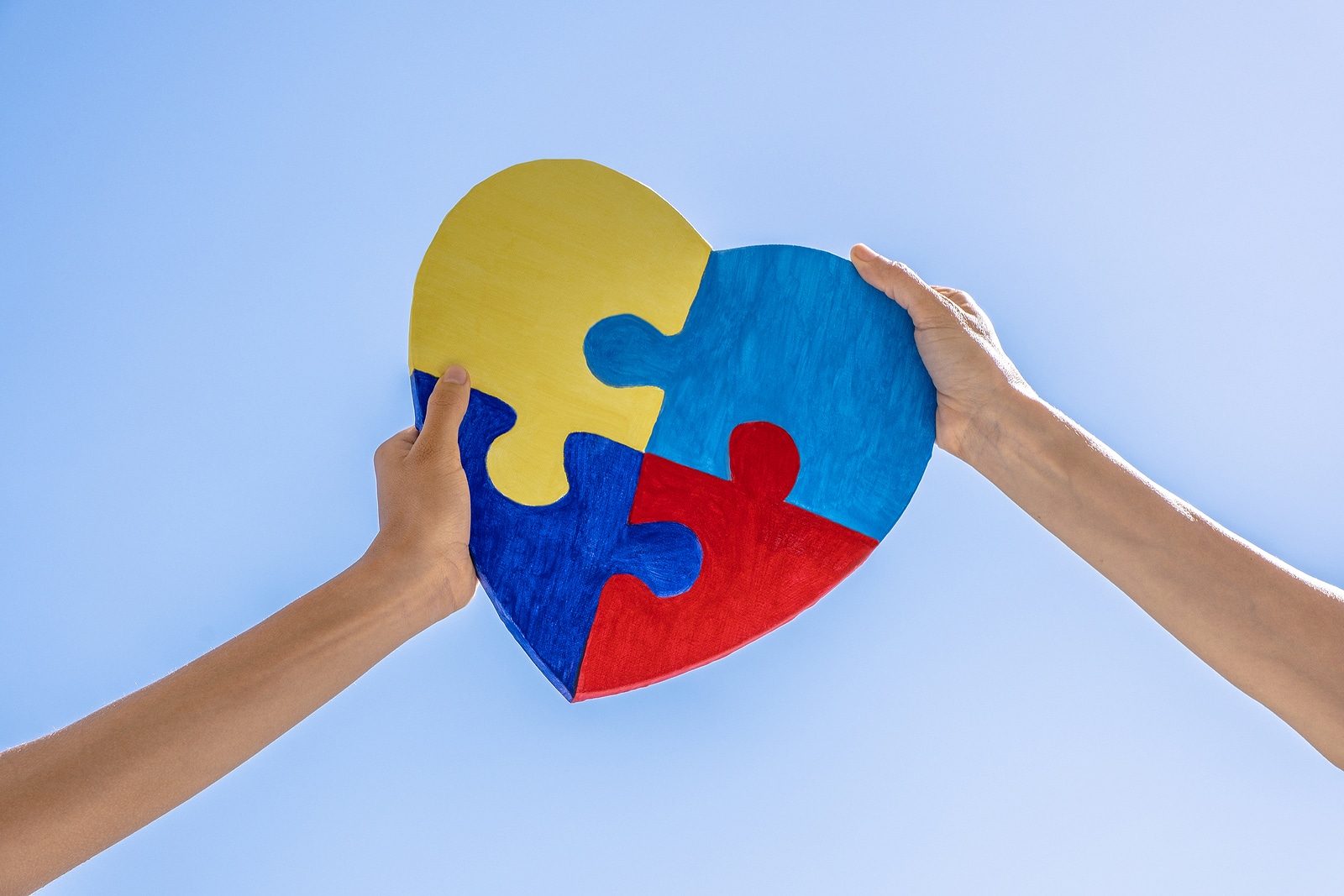
Contrary to some beliefs, autism is not a disease to be cured, but a different neurological wiring that shapes perception and interaction with the world. Recognizing autism as a distinct divergence from the neurotypical brain rather than a deficit fosters respect and inclusion.
Myth #1: Autism is Caused by Vaccines
One of the most pernicious myths is the alleged link between vaccines and autism. This misconception emerged from discredited studies and has since been debunked decisively by an abundance of scientific research. No credible evidence supports the assertion that vaccines trigger autism. The persistence of this myth, however, underscores the profound challenge misinformation poses to public health.
Vaccines remain essential in preventing potentially devastating diseases. Dispelling this myth helps to dismantle vaccine hesitancy, a vital step in safeguarding community health.
Autism and Intellectual Ability: Dispelling the Stereotype
Another pervasive fiction is the automatic association of autism with intellectual disability. While some autistic individuals may experience cognitive challenges, many possess average or above-average intelligence. Savant abilities, though relatively rare, have further complicated public perception by painting autism with a brush of extraordinary genius or severe limitation.
The spectrum truly encompasses a wide array of intellectual capacities and talents, emphasizing the importance of individualized support and education.
Social Behavior: Misinterpreted Signals
Autism often affects communication and social interaction, but interpreting these differences as disinterest or aloofness is a gross oversimplification. Autistic individuals may struggle with conventional social cues, but this does not equate to a lack of empathy or desire for connection.
Many autistic people express affection, loyalty, and deep emotional ties uniquely. Recognizing diverse communication styles broadens collective empathy and nurtures more inclusive social environments.
Sensory Sensitivities: The World Through a Different Lens
A hallmark of ASD is sensory processing differences. Sensory sensitivities can render everyday experiences overwhelming or distressing. Bright lights, loud sounds, or certain textures might provoke discomfort or anxiety in ways that are invisible to others.
Understanding these sensory nuances is paramount in crafting supportive environments that respect individual needs, whether in classrooms, workplaces, or public spaces.
Myth #2: Autism Can Be Outgrown
Autism is often misconceived as a childhood phase to overcome. This fallacy dismisses the lifelong nature of ASD. While interventions and therapies may enhance skills and coping mechanisms, autism fundamentally remains a core part of an individual’s identity.
Accepting autism as an enduring aspect redirects focus from “curing” to empowering—highlighting strengths, fostering independence, and promoting self-advocacy.
The Role of Therapy and Support
Therapeutic interventions aim to bolster communication, social skills, and adaptive functioning. Approaches like Applied Behavior Analysis (ABA), speech therapy, and occupational therapy contribute meaningfully to quality of life. However, it’s crucial to tailor these supports to individual preferences and avoid one-dimensional goals.
Respecting autonomy and incorporating the voices of autistic individuals themselves ensures that therapy empowers rather than confines.
Representation and Inclusion: Society’s Crucial Challenge
Misconceptions about autism have tangible repercussions on social inclusion, employment, and mental health. Stigma arising from ignorance fosters isolation and limits opportunities. Conversely, advocacy, accurate representation in media, and inclusive policies pave pathways toward equity.

Embracing neurodiversity enriches society by valuing a spectrum of perspectives. Challenging falsehoods with knowledge dismantles barriers and invites acceptance.
In conclusion, navigating the labyrinth of autism facts versus fiction compels us to rethink archetypes and question deeply entrenched narratives. Approaching autism with curiosity, empathy, and an evidence-based lens reveals a mosaic of human experience that defies reduction. Dispelling myths not only cultivates understanding but also champions the dignity and potential inherent in every neurodivergent individual.