The phenomenon of parallel play, particularly among autistic individuals, presents a fascinating intersection of social behavior and cognitive processing. While it may initially seem as though this mode of engagement reflects a simple preference for solitude, a deeper examination reveals a nuanced tapestry of sensory needs, social interest, and developmental strategies. The preference for parallel play—where individuals play side-by-side but not directly interact—provides a unique lens through which to understand the social world from the perspective of many autistic people.
The Visible Pattern: Recognizing Parallel Play in Autistic Individuals
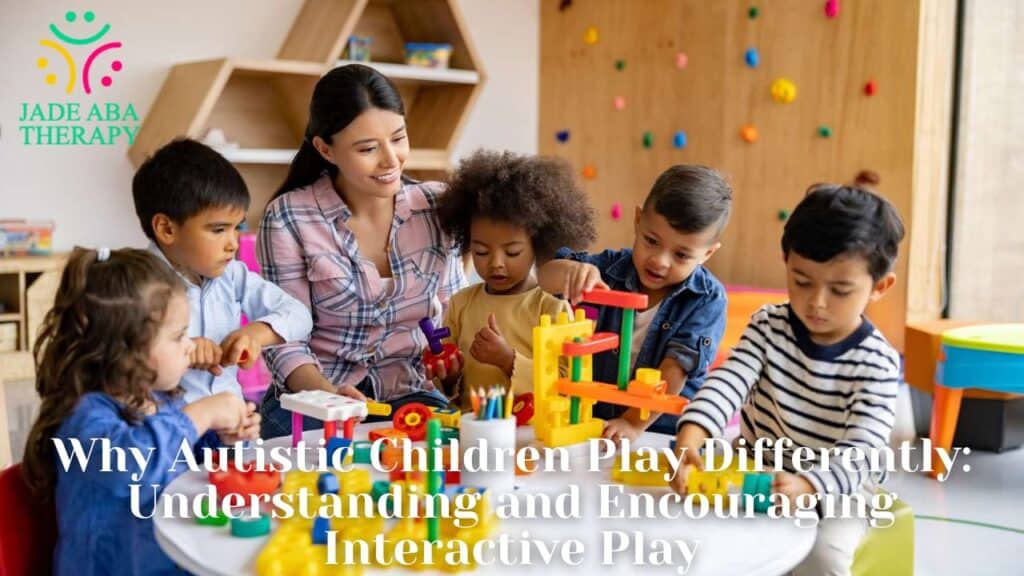
At first glance, parallel play can be observed in various settings: playgrounds, classrooms, or therapeutic environments. Autistic individuals often choose to engage in activities close to their peers, yet without the overt interaction typical in collaborative or associative play. This behavior may appear as a deliberate avoidance of social engagement. However, it is vital to appreciate that such play is neither a sign of disinterest nor isolation but rather a distinct and valuable mode of interaction. It acknowledges presence while sidestepping the complex demands of direct social exchange, offering a manageable space in which social proximity exists without pressure.

Neurological Underpinnings and Sensory Considerations
Autistic individuals often experience heightened or atypical sensory sensitivity. The immersive and unpredictable nature of direct social interaction can impose overwhelming sensory input—from voice tones and eye contact to physical touch and spatial proximity. Parallel play provides a sensory refuge. By positioning themselves adjacent to peers rather than in direct contact, autistic children and adults can simultaneously accommodate sensory thresholds while remaining within a social context. This spatial arrangement reduces sensory overload by allowing focus on individual play without the additional layers of social negotiation.
Moreover, the neurological wiring associated with autism influences the processing of social cues. Complex facial expressions, gestures, and rapid verbal exchange may demand extensive cognitive resources, leading to exhaustion or discomfort. Through parallel play, the social environment is simplified. Individuals can observe peer behavior from a comfortable distance, gaining insight without the immediacy of reciprocal interaction. This observational opportunity facilitates gradual acquisition of social nuances without the pressing need for active participation.
Parallel Play as a Scaffold: Building Social Competence
It is critical to understand parallel play not merely as a static preference but as a dynamic scaffold in social development. This mode of play often serves as an intermediary stage between solitary and interactive play, allowing autistic individuals to incrementally acclimate to the social world. The presence of peers, even in silent proximity, can act as a non-intrusive social model.
This proximity enables implicit learning—a process whereby individuals absorb social rules, turn-taking frameworks, and vocabulary by osmosis rather than direct instruction. Such learning is particularly advantageous for those who may find explicit social cues abstract or confusing. With time, the comfort derived from parallel play can provide a foundation upon which more complex social skills are built, fostering gradual integration into more interactive forms of play and communication.
Emotional Safety and Predictability in Parallel Play
The social world is inherently unpredictable, carrying with it risks of misunderstanding, rejection, and sensory overwhelm. Parallel play offers a controlled environment where autistic individuals can participate socially without the uncertainties that often accompany direct engagement. It creates a buffer zone that mitigates potential anxiety and emotional distress.
Within this buffer, individuals exert a degree of control over their interactions. They can choose when to observe, when to adjust, and when—if ever—to initiate direct contact. This autonomy is critical to emotional regulation. It transforms playtime from a potentially stressful obligation to a self-paced experience marked by safety and acceptability. Emotional well-being, therefore, is significantly bolstered by the ability to engage at one’s own comfort level.
The Role of Parallel Play in Enhancing Communication
Nonverbal individuals or those with limited speech often find parallel play a less taxing arena for interaction. It allows the use of alternative communication modes, such as gestures, eye contact, and the exchange of objects, in a lower-pressure context. This interaction is often subtle and understated but rich in communicative potential.
Additionally, parallel play can stimulate the emergence of joint attention—the shared focus on an object or activity—which is a foundational element of social communication. Autistic individuals engaged in parallel play frequently mirror or align their activities with those nearby, creating moments of synchronized behavior without the need for explicit dialogue. These moments serve as building blocks that can eventually catalyze deeper communicative exchanges.

Community, Belonging, and Acceptance Through Parallel Participation
Parallel play subtly affirmes membership within a social group while respecting individual boundaries. It signals “I am here with you” without demanding conformity to social norms that may feel inaccessible or uncomfortable. For many autistic individuals, this mode of participation fosters a profound sense of belonging and inclusion, compensating for the frequent feelings of alienation experienced in more direct social settings.
Moreover, environments that recognize and honor the validity of parallel play contribute to broader social acceptance. They validate diverse modes of social engagement and challenge traditional paradigms that privilege direct interaction above all else. This openness not only benefits autistic people but enriches the social fabric by expanding the definition of meaningful connection.
Conclusion: Embracing Parallel Play as a Vital Social Pathway
The preference for parallel play among autistic individuals transcends simplistic explanations and touches upon complex neurological, emotional, and developmental dimensions. Far from representing disengagement or social deficiency, parallel play encapsulates a sophisticated strategy for navigating a multifaceted social world. It offers sensory regulation, emotional safety, communication opportunities, and a scaffold for social competence, all within a framework that honors individual needs.
Understanding and embracing this form of play challenges conventional expectations and broadens our appreciation of neurodiverse social engagement. In doing so, it creates pathways for more inclusive, empathetic, and adaptive social environments where every individual’s way of being is not only recognized but valued.