Autism spectrum disorder (ASD) is often accompanied by unique sensory experiences that significantly shape an individual’s interaction with their environment. One prevailing manifestation within this spectrum is sensory overload, a phenomenon where the brain receives and processes an overwhelming amount of sensory input. This sensory deluge can lead to discomfort and heightened distress, influencing behavior and emotional well-being. Beneath the surface of these responses lies an intricate neurobiological orchestration, hinting at deeper reasons why sensory inputs captivate and sometimes confound those with autism. Understanding the signs and coping strategies surrounding sensory overload not only fosters empathy but also equips caregivers and individuals with tools for thriving sensory experiences.
Recognizing Sensory Overload: Common Signs and Subtle Cues
Distinguishing sensory overload in autism requires attentiveness to a constellation of behaviors and reactions. While not all individuals express sensory distress identically, certain signs often emerge as common indicators. These include sudden irritability, withdrawal from social interactions, covering ears or eyes, and repetitive behaviors aimed at self-regulation. Occasionally, individuals might display what appears to be a fascination with specific sensory stimuli, such as flickering lights or certain sounds, which paradoxically may act as a coping mechanism or a method of self-soothing amidst chaos.
This paradox—the allure of certain sensory inputs amid a storm of overload—reveals a layered neurobehavioral reality. Some stimuli engage neural circuits by offering predictability or rhythmic familiarity, providing a calming anchor. Conversely, unexpected or intense sensory experiences may overwhelm the brain’s ability to filter irrelevant information, causing distress. Behaviors such as rocking or hand-flapping, often misconstrued simply as repetitive actions, can also be viewed as deliberate attempts to regain sensory equilibrium.

Neurobiological Underpinnings: Why Sensory Overload Occurs
At the core of sensory overload in autism lies atypical neural processing pathways. Research highlights that the brains of individuals with autism spectrum disorder exhibit differences in sensory gating—the mechanism that filters incoming stimuli. When this filter is less effective, an excess of sensory data floods neural networks, akin to static overloading a radio signal. This diminished filtering capacity is compounded by heightened sensitivity in certain sensory domains, such as auditory or tactile inputs.
Moreover, the interconnectedness within the brain’s sensory integration centers—which harmonize multisensory information—may function divergently. This divergence creates scenarios where simultaneous stimuli reinforce each other’s intensity rather than blending seamlessly. The consequence is an overwhelming sensory milieu that challenges cognitive and emotional stability.
Impact on Daily Life and Social Interaction
The repercussions of sensory overload extend beyond momentary discomfort. Persistent exposure to overstimulating environments can foster anxiety and avoidance behaviors, ultimately affecting participation in educational, social, and community contexts. Children and adults alike may exhibit resistance to crowded or noisy places, opting for solitude as a protective strategy. This withdrawal occasionally reinforces misunderstandings regarding their social preferences and capabilities.
Furthermore, sensory overload may impair communication. For instance, a child may become nonverbal or exhibit outbursts during overwhelming sensory episodes, complicating efforts to engage or assist them. Recognizing these responses as manifestations of sensory distress rather than deliberate defiance is crucial for appropriate intervention.

Effective Coping Strategies to Mitigate Sensory Overload
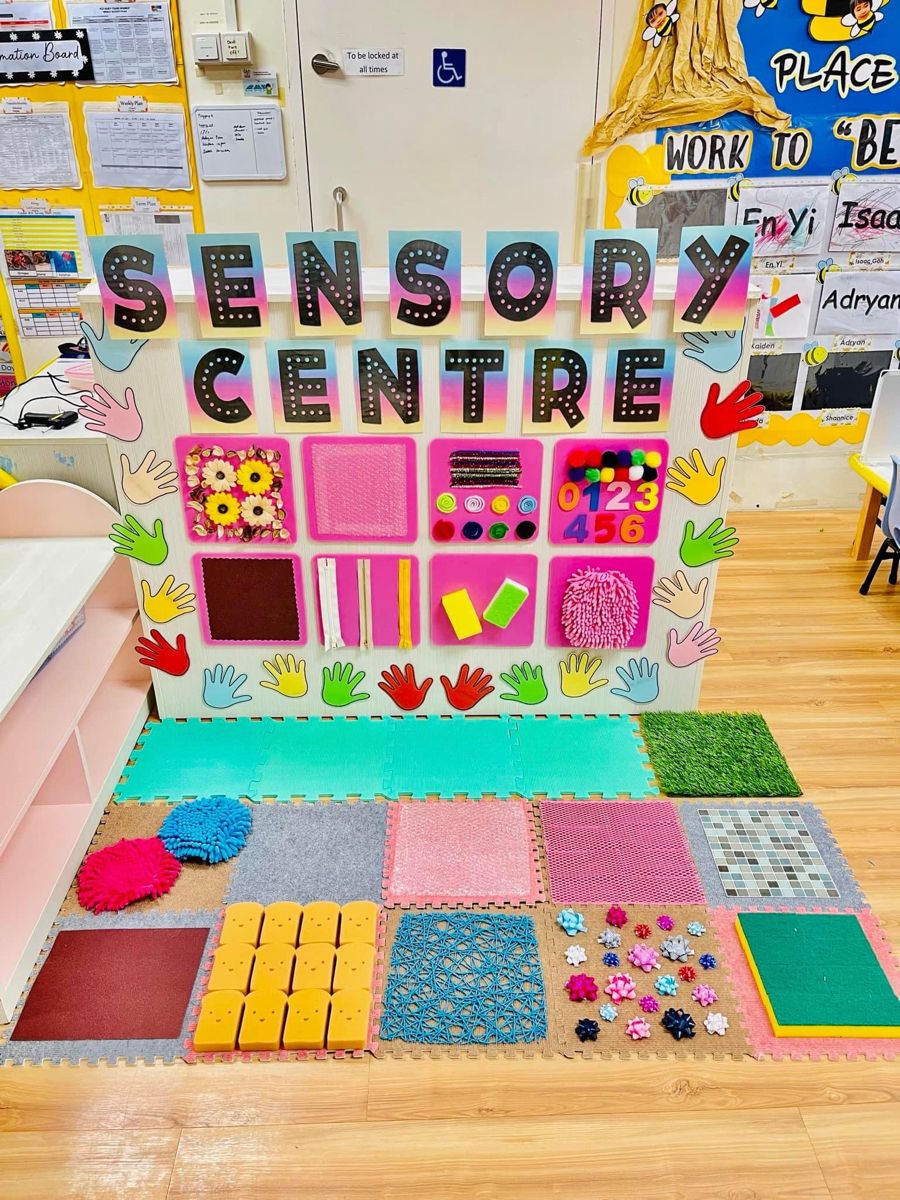
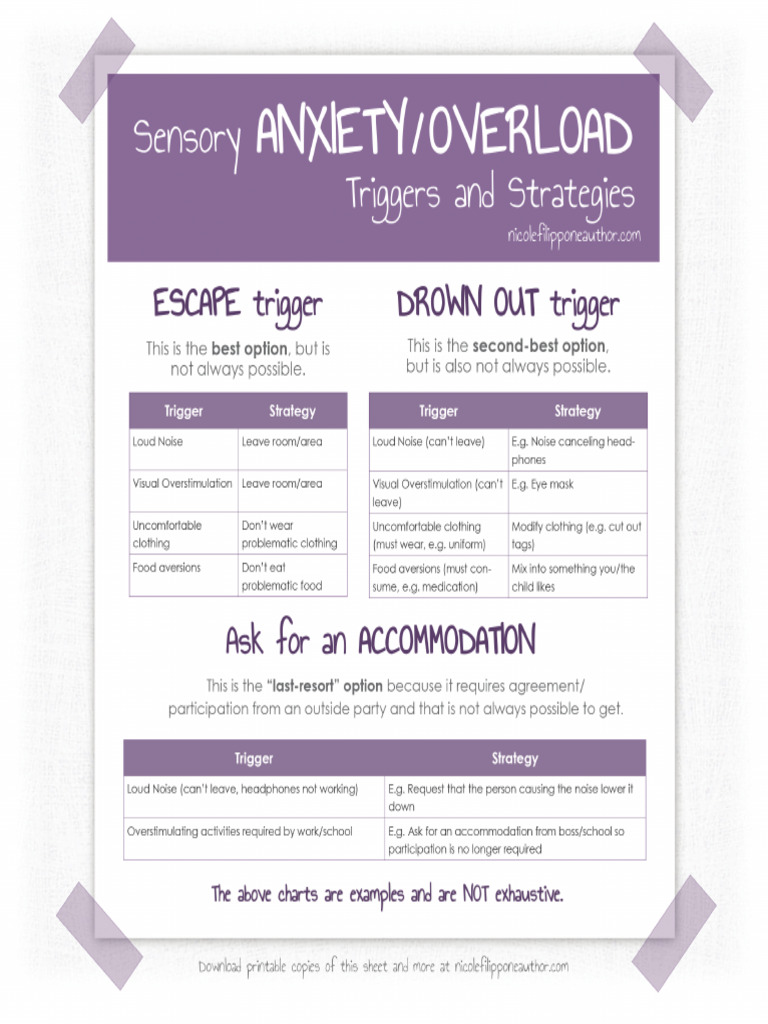
Cultivating an environment that respects sensory sensitivities while empowering individuals to manage their experiences is paramount. Creating sensory-friendly spaces involves deliberate modification of stimuli—dimmed lighting, soundproofing, and textures that soothe rather than irritate. These adjustments can convert overwhelming settings into more navigable ones, enabling greater participation and comfort.
Additionally, personalized sensory diets—structured activities tailored to an individual’s sensory profile—can proactively regulate sensory inputs throughout the day. Activities such as deep-pressure therapy, proprioceptive exercises, or the use of weighted blankets often provide calming proprioceptive feedback that balances sensory input.
Equipping individuals with self-regulation techniques further enhances coping. Deep breathing exercises, the introduction of safe ‘quiet corners,’ or the use of noise-cancelling headphones empower individuals to take control during moments of sensory overload. Consistency in routines also plays a vital role, as predictable patterns reduce unexpected sensory input and provide psychological security.
The Role of Caregivers and Educators in Supporting Sensory Needs
Families and educators hold a pivotal role in recognizing and validating sensory experiences. Observational acuity enables early identification of triggers and successful implementation of accommodations. Open communication tailored to developmental levels fosters understanding and collaboration. Such dialogue allows for the refinement of strategies and promotes autonomy, as individuals learn to articulate their sensory preferences and limits.
Training for caregivers and professionals in sensory integration principles equips them with the knowledge to adapt environments and interventions. A synergy between clinical guidance and lived experience crafts a holistic support system that honors both the challenges and strengths inherent in sensory processing differences.

Understanding Fascination Amidst Overload: A Deeper Perspective
The apparent contradiction between sensory overload and an intense fascination with particular sensory stimuli opens a window into the nuanced sensory world of autism. Such fascinations often provide a sense of mastery and predictability, acting as a counterbalance to the unpredictability that triggers overload. This dynamic underscores the importance of respecting individual sensory interests and leveraging them therapeutically.
By embracing these fascinations, caregivers can harness intrinsic motivation for engagement and learning. This approach reframes sensory challenges not merely as obstacles but as avenues for connection and growth, enriching the narrative of autism with depth and complexity.
In sum, sensory overload in autism is a multifaceted phenomenon, deeply rooted in neurobiology and manifesting in diverse behavioral patterns. Through informed recognition, environmental accommodations, and empoweringly tailored coping strategies, individuals with autism can navigate sensory experiences with resilience. Embracing the paradox of sensory fascination amidst overload further illuminates the intricate sensory landscape, offering a richer appreciation of the autistic experience.