Imagine stepping into a world where everyday sounds swirl like a tempest—each noise amplified and magnified, cutting through the calm like shards of glass. For many children with autism, this is not a metaphorical tempest but a daily reality. The labyrinth of noise sensitivity can create formidable barriers between them and their surroundings. Yet, within this challenge lies an opportunity to cultivate understanding and develop nuanced strategies that help these children navigate the auditory landscape with greater ease and confidence.
The Intricate Symphony of Sensory Processing in Autism
Noise sensitivity in children with autism often stems from atypical sensory processing, where the brain’s filters that normally regulate sensory input are set differently. Like a finely tuned but hypersensitive radar, their auditory system can overreact to sounds that others would disregard. This phenomenon, known as hyperacusis or auditory defensiveness, disrupts their interaction with the environment, influencing behavior, learning, and emotional regulation.

Understanding this unique sensory makeup is the cornerstone of empathetic support. The sensory world for a child with autism is not simply louder; it is textured, layered, and sometimes cacophonous—each sound carrying a weight that demands accommodation and compassion.
Decoding the Signs: Recognizing Noise Sensitivity
Before effective help can begin, caregivers must become adept at interpreting the subtle and overt manifestations of noise sensitivity. These signs often resemble a coded language spoken through behavior. Sudden withdrawal, covering ears, increased anxiety or irritability, and even aggressive outbursts can all signal sensory overwhelm.
These reactions are not mere defiance or tantrums; they are cries from a nervous system pushed beyond its threshold. Just as a pearl is formed through layers of irritation, these responses beckon caregivers to peel back layers of misunderstanding and adopt a lens of patience and attentiveness.
Architecting Accommodations: Environmental Modifications to Ease Auditory Overload
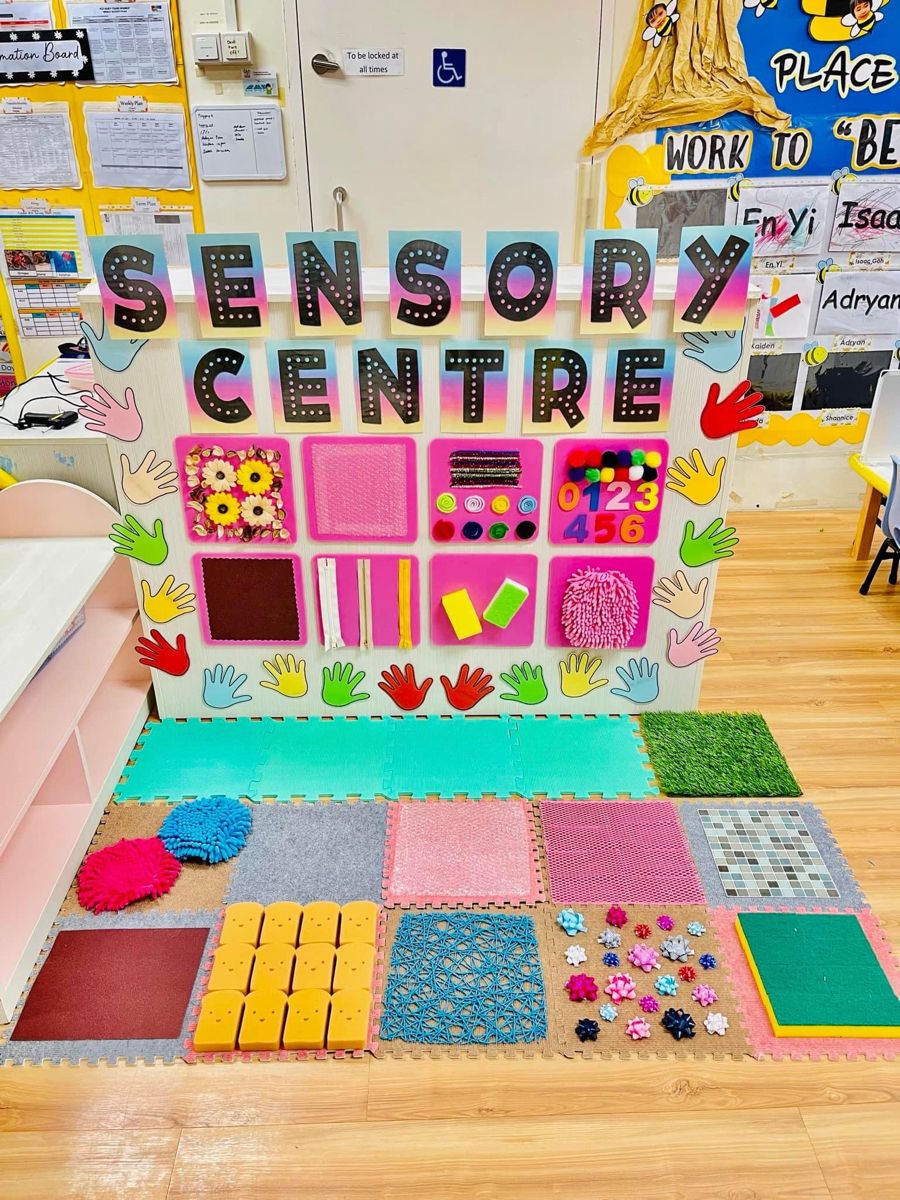
Creating a nurturing environment acts like a symphony conductor, guiding chaotic sounds into harmonious balance. One of the most effective strategies involves modifying the child’s surroundings to soften the impact of triggering noises. Utilizing noise-cancelling headphones, installing sound-absorbing materials, or designing quiet zones within the home or classroom can significantly reduce sensory bombardment.

Simple changes like turning off unnecessary electronics, limiting background noise during critical activities, or using white noise machines to mask harsh stimuli are practical, yet profoundly impactful interventions. These modifications serve as a protective shell, allowing the child’s innate potential to emerge unmarred by sensory distress.
Empowering Through Routine: Predictability as a Sanctuary
For many children with autism, predictability offers a refuge amid sensory chaos. Establishing consistent routines surrounding auditory environments confers a sense of control and security. For example, scheduling quiet times before and after noisy events, or preparing the child with verbal and visual cues about impending sounds, builds anticipatory frameworks that reduce anxiety.
Visual schedules or auditory story scripts tailored to the child’s experiences act like navigational charts, illuminating the path through potentially turbulent sensory episodes. The more these tools are integrated into daily life, the greater the child’s resilience to auditory challenges becomes.
The Melodic Power of Therapeutic Interventions
Therapeutic avenues such as Auditory Integration Therapy (AIT) or Behavioral Interventions like Applied Behavior Analysis (ABA) provide targeted support to recalibrate the child’s auditory processing. These methods employ strategies designed to desensitize aversions to noise gradually or reinforce coping mechanisms.

Instead of seeking to eliminate all stimuli, these therapies empower children to engage with their environment more confidently, transforming noise from an adversary into an integrated component of their sensory experience.
Advocating Communication and Emotional Expression
The journey to aid children with noise sensitivity is also a journey into enriching communication. Facilitating outlets for children to express discomfort without escalating frustration is essential. This might involve alternative communication methods such as picture exchange systems, sign language, or emotion cards—each serving as crucial bridges over the canyon of misunderstood response.
Encouraging children to articulate their experiences or signal when overwhelmed not only validates their sensory reality but fosters emotional intelligence and autonomy. This empowerment transforms noise sensitivity from a barrier into an avenue for personal growth and self-awareness.
Nurturing Patience and Compassion: The Caregiver’s Inner Symphony
The complexity of noise sensitivity requires that caregivers cultivate a reservoir of patience and empathy. Like a conductor guiding an orchestra through a challenging movement, their calm and consistent presence orchestrates a supportive environment conducive to growth.
Encouraging self-care, seeking professional guidance, and connecting with support networks ensures caregivers remain grounded and effective, transforming challenges into opportunities for deeper connection and understanding.
Noise sensitivity in children with autism is much more than an obstacle; it is a window into a richly textured sensory world. By embracing this perspective, applying thoughtful interventions, and weaving a tapestry of support and communication, caregivers can help these children harness their unique auditory experiences as strengths rather than burdens. Within this intricate interplay of sound and silence lies the promise of flourishing—quiet yet resounding in its impact.