Imagine a chameleon navigating a dense forest—a creature whose survival hinges upon its ability to blend seamlessly into the kaleidoscope of leaves and shadows around it. For many autistic individuals, masking their traits is much like this camouflage: a complex, nuanced dance of adaptation, concealment, and resilience. While this adaptive behavior often serves as a protective cloak in social landscapes, it carries an understated weight—one that calls for compassionate understanding and specialized support.
The Essence of Masking: A Veil of Social Survival
Masking, in the context of autism, refers to the conscious or subconscious strategies employed to suppress or hide autistic behaviors in order to conform to social norms. This intricate performance might involve mimicking facial expressions, rehearsing conversations, or dulling sensory sensitivities. For many, the act of masking becomes a double-edged sword: a necessary facade to access societal engagement, yet a formidable burden that obscures authentic self-expression.

Understanding the labyrinth of masking is paramount to supporting those who engage in it. Each individual’s camouflaging is as unique as their neurological fingerprint, shaped by personal experiences and social environments. Yet, the psychological toll can be profound, leading to exhaustion, anxiety, and a pernicious sense of invisibility.
The Silent Strain: Recognizing the Hidden Costs
Masking is not merely an occasional act of social courtesy—it’s a continuous cognitive and emotional exercise demanding immense energy. Like a silent laborer in a mine, an autistic person who masks may expend relentless effort beneath the surface, often without overt recognition. This relentless concealment can culminate in “masking fatigue,” a phenomenon marked by emotional burnout, decreased mental health, and even delayed identification of autism.
Because the outward presentation appears “neurotypical,” support systems may inadvertently overlook the inner struggles of these individuals. This invisibility can exacerbate feelings of isolation and self-doubt, creating a vicious cycle that undermines well-being. The challenge lies in disentangling the authentic self from the mask—an endeavor requiring empathy and intentionality.
Creating Safe Spaces: Fostering Environments Where Masks Can Be Removed
True support begins with the cultivation of environments that invite authenticity without fear of judgment. Imagine a harbor where the chameleon can safely shed its protective colors and reveal its vibrant hues. Such spaces are characterized by acceptance, understanding, and respect for neurological diversity.
Employers, educators, families, and peers play pivotal roles in establishing these sanctuaries. This involves promoting flexible communication styles, avoiding pressure to conform, and encouraging self-paced social interactions. When individuals perceive that their differences are valued rather than stigmatized, the impetus to mask diminishes naturally.

Practical Strategies: Empowering Autistic Individuals Beyond The Mask
Supportive strategies must endeavor beyond recognition toward empowerment—encouraging individuals to embrace their authentic selves with confidence. Here are several approaches that can help:
- Active Listening and Validation: Genuinely acknowledge the experiences behind the mask without judgment. Allow space for expressions of discomfort and vulnerability.
- Personalized Communication: Tailor interactions to individual preferences, whether that means adjusting tone, pace, or allowing alternative communication methods.
- Promoting Self-Advocacy: Encourage individuals to articulate their needs and boundaries, fostering autonomy and self-esteem.
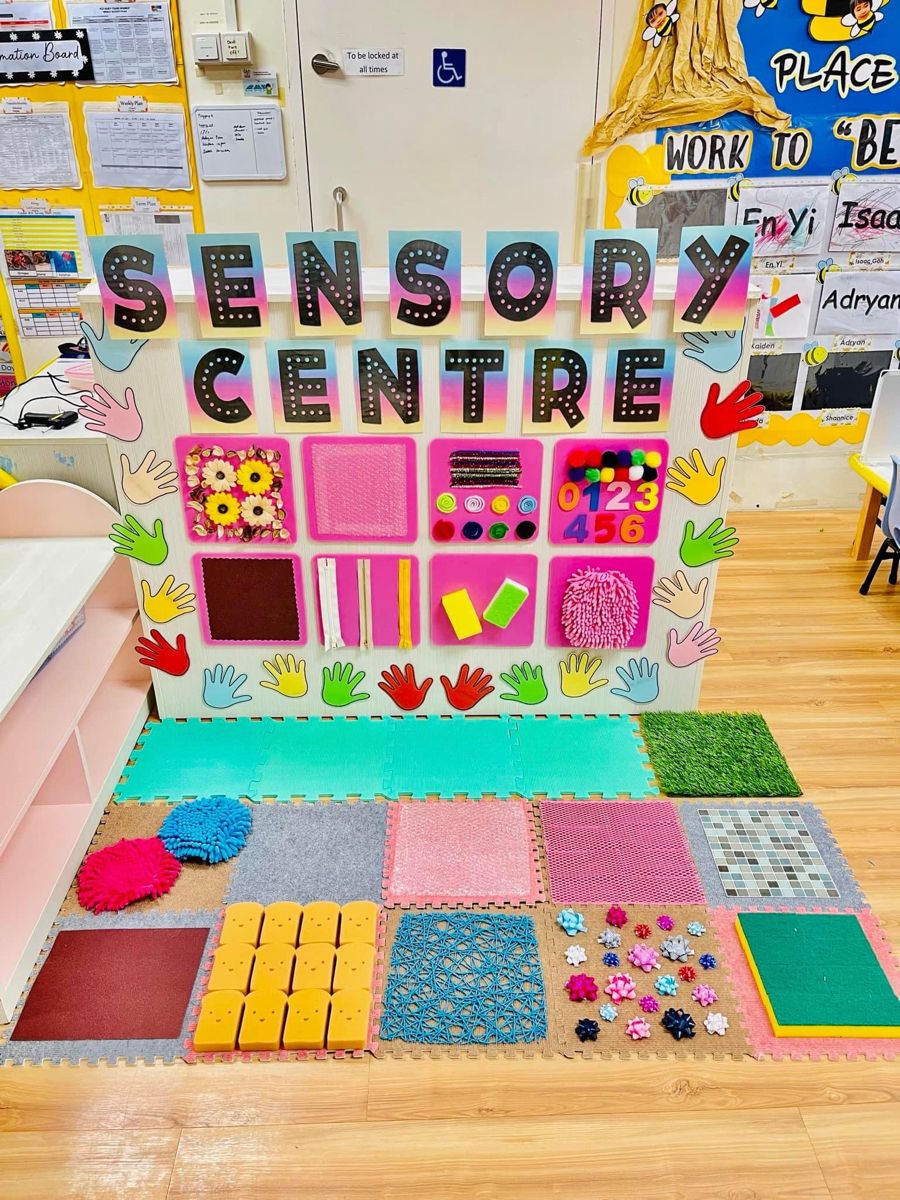
- Mindfulness and Stress Reduction: Techniques such as deep breathing, meditation, and sensory breaks can alleviate the tension that masking imposes.
- Flexible Social Participation: Provide options to engage socially on terms comfortable to the individual, reducing the impetus to mask.
- Education and Awareness: Raise awareness within social and professional communities to preempt misunderstandings and foster inclusivity.
Each of these strategies functions like a key, unlocking doors through which authentic self-expression can flow.
The Unique Appeal of Neurodivergence: Celebrating Unmasked Identity
When masks are lifted, the unique brilliance of neurodivergent minds shines with unparalleled radiance. Autistic individuals offer rich perspectives, remarkable creativity, and profound sincerity. Their distinct neurological wiring often endows them with exceptional attention to detail, deep focus, and innovative thinking.
Recognizing and nurturing these gifts requires transcending societal expectations to embrace difference not as deficit but as diversity. Supporting autistic individuals to flourish without masks enriches communities with authenticity and depth.
Conclusion: Towards a Culture of Empathy and Authenticity
The metaphorical mask worn by many autistic people is not merely a shield but also a silencer. Supporting those who mask their traits invites us to dismantle barriers of misunderstanding—revealing not just the person beneath but a broader vision of inclusivity.
True support is an intricate tapestry woven with empathy, patience, and practical accommodations. It demands an awareness that respect for neurodiversity enriches our shared human experience. As society learns to value unmasked authenticity, the chameleon can thrive—not in camouflage, but in vibrant, unguarded splendor.