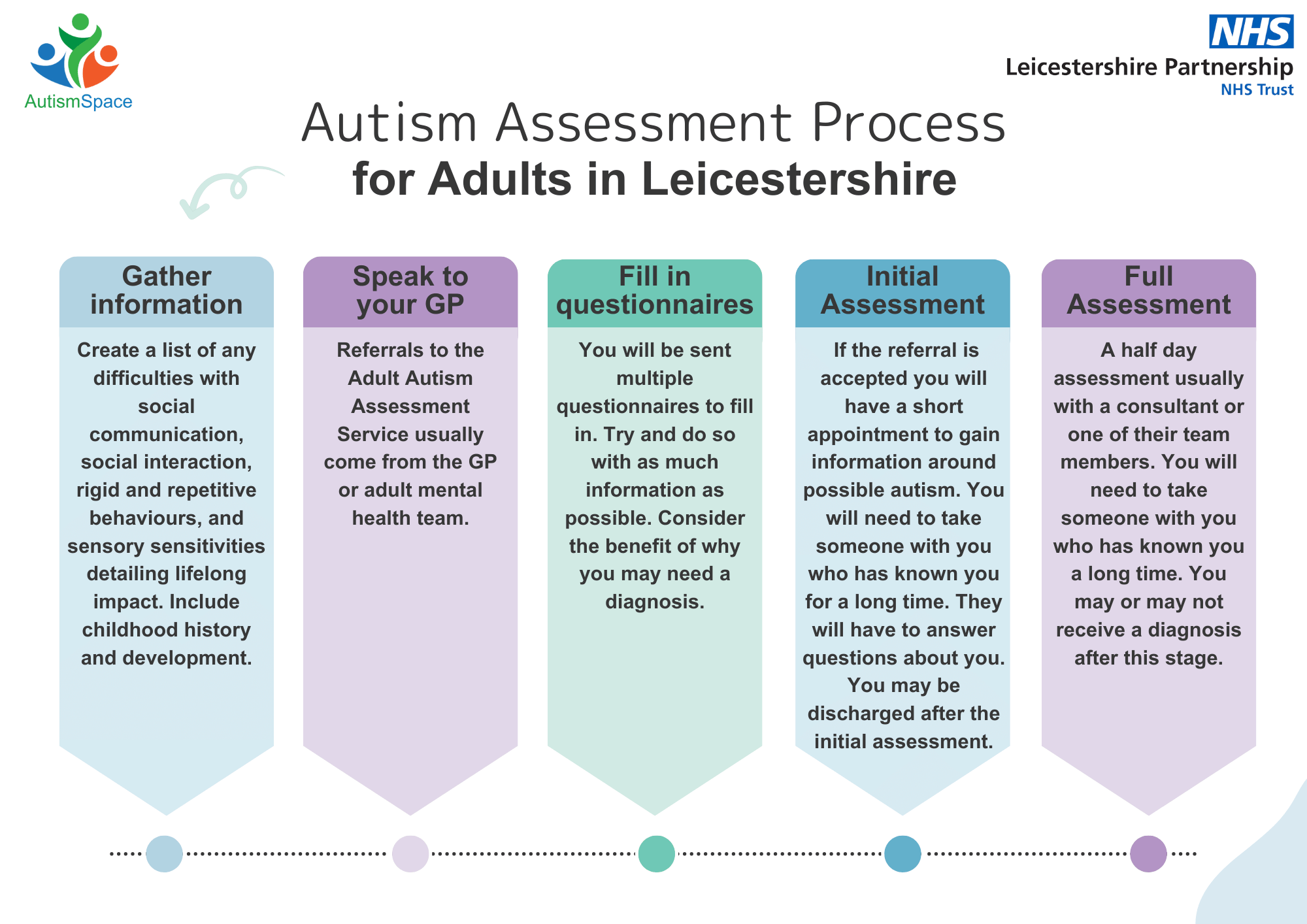
Embarking on the journey to an autism diagnosis as an adult can feel akin to setting sail into uncharted waters—filled with anticipation, uncertainty, and a quiet hope for discovery. Unlike childhood evaluations, adult diagnosis weaves together years of lived experience, subtle nuances, and often, a tapestry of misunderstood traits. This exploration is not merely a clinical procedure; it is a profound act of self-reclamation and understanding.
The Landscape of Adult Autism Diagnosis
The terrain of adult autism diagnosis is intricate and multifaceted. Unlike the straightforward assessments administered to children, the adult pathway requires a nuanced approach sensitive to the complexities of a fully developed identity. The process often demands reflection on a lifetime of social interactions, sensory experiences, and coping mechanisms. It is a retrospective journey as much as it is an evaluative one, assembling fragments of past encounters like a mosaic coming into focus.
Clinicians employ a comprehensive battery of tools—ranging from structured interviews to self-report questionnaires, and detailed histories of developmental milestones. This diagnostic process is not simply about ticking boxes, but rather a deep dive into the lived narrative of the individual. Through this lens, clinicians differentiate autism from overlapping conditions, such as anxiety disorders or ADHD, that can cloud the diagnostic picture.

Recognizing the Silent Signals
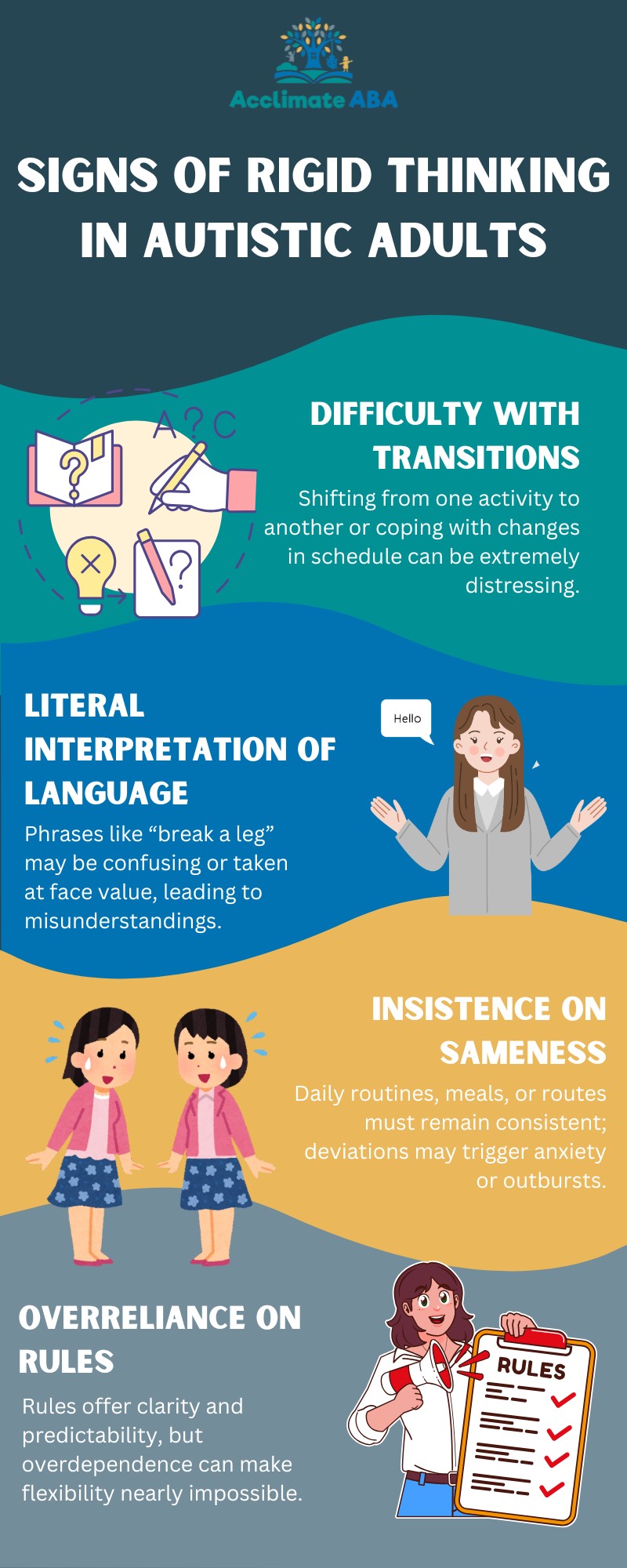
Adults seeking diagnosis often reflect on a lifetime of silent signals—whispered clues that something within their perception of the world diverged from the mainstream script. These signals may manifest as intense focus on particular interests, sensory sensitivities, or persistent difficulties with social nuances. Unlike childhood, where developmental delays might trigger investigation, adult diagnosis requires recognizing these subtle markers buried beneath years of adaptive behavior.
This recognition can be a revelation, often unfolding gradually as individuals piece together the puzzle of past social challenges, communication styles, or emotional responses. There is an empowering shift in perspective—what once felt like inexplicable idiosyncrasies now gains a meaningful context.
Assessment: The Artistry of Clinical Evaluation
The clinical assessment process is a delicate blend of science and artistry. It involves in-depth interviews that explore a comprehensive developmental history, current functioning, and social-emotional patterns. Standardized tools such as the Autism Diagnostic Observation Schedule (ADOS) or the Autism Spectrum Quotient (AQ) are employed, but these are supplemented by clinician expertise in interpreting subtleties unique to adult presentations.
Moreover, the process often includes collateral information from family members or close acquaintances who can provide additional perspective on historical and current behaviors. This triangulation ensures a more holistic understanding and guards against misdiagnosis or underdiagnosis, which are common pitfalls in adult evaluations.
The Emotional Terrain: Navigating Diagnosis Outcomes
Receiving an autism diagnosis as an adult can evoke a kaleidoscope of emotions. For some, it provides solace and validation, a definitive answer to questions long pondered. For others, it may trigger a period of introspection or even grief—mourning the years lost to misunderstanding or unmet needs. The diagnostic moment is a profound emotional hinge, one that reshapes personal identity and future outlook.
Importantly, the diagnosis opens doors to tailored support services, therapeutic interventions, and community networks designed for adults on the spectrum. It catalyzes a proactive approach to wellbeing, self-advocacy, and empowerment. For many, this is the genesis of a richer, more authentic existence.
Post-Diagnosis: The Path Forward
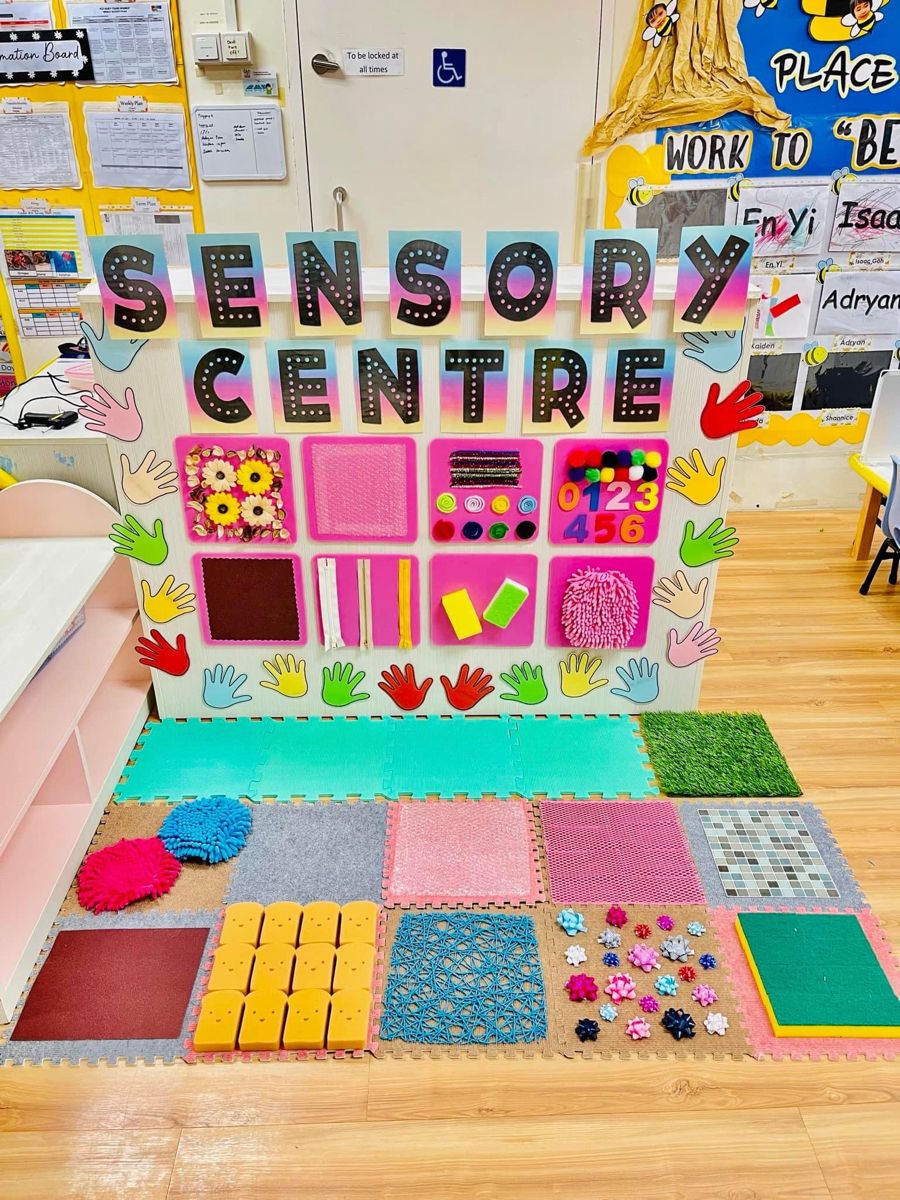
The conclusion of the diagnostic process marks not an end, but a new beginning. Post-diagnosis, adults often embark on a path of self-discovery and adaptive strategies tailored to their unique neurology. This may include behavioral therapies, occupational therapy to manage sensory challenges, social skills training, or mental health support.
Crucially, many adults find community through peer support groups—a sanctuary where shared experiences foster connection and understanding. These networks celebrate neurodiversity and promote dignity, acceptance, and growth.
Additionally, workplace accommodations and legal protections become accessible, enabling individuals to flourish in professional environments. This holistic approach transcends the clinical to embrace the full spectrum of life experiences.
Dispelling Myths and Embracing Complexity
Many misconceptions surround adult autism diagnosis. It is not an arbitrary label, nor a midlife crisis masquerade. Instead, it represents a vital recognition of neurodivergence often obscured by masking behaviors and societal expectations. Understanding that autism is a spectrum—with immense variability—helps dismantle stereotypes.
Each adult’s diagnosis story is distinct, enriched by the folds of personal history and context. This recognition demands empathy, patience, and a commitment to individualized care. Embracing this complexity is essential for forging pathways that honor both challenges and strengths.
Conclusion
The voyage to an autism diagnosis in adulthood is a profound odyssey into self-awareness and acceptance. It demands courage to confront decades of implicit misunderstanding, and perseverance to engage with a healthcare system not always attuned to adult presentations. Yet, it is also an awakening, a passage that illuminates hidden facets of identity and unlocks new possibilities for growth and connection.
For those navigating these waters, the horizon is not one of uncertainty, but of discovery—a journey toward a life lived with greater clarity, authenticity, and empowerment.