In the vast, cacophonous digital agora of Twitter, where voices clamor for attention and trends flicker like neon signs in a cyberpunk metropolis, autism finds a space both liberating and labyrinthine. The platform, with its 280-character bursts of wit and wisdom, has become an unlikely sanctuary for autistic individuals, caregivers, advocates, and researchers alike. Here, conversations unfold in real time, hashtags serve as beacons of solidarity, and the nuances of neurodivergence are dissected with both precision and passion. For those navigating this terrain, Twitter offers a mosaic of content—from raw personal narratives to data-driven insights—each piece contributing to a larger mosaic of understanding and acceptance.
The Power of Personal Narratives: Voices That Resonate
Twitter thrives on authenticity, and nowhere is this more evident than in the stories shared by autistic individuals. These narratives, often raw and unfiltered, shatter stereotypes and humanize the experience of autism. A single tweet can encapsulate the frustration of sensory overload or the quiet triumph of a social interaction navigated with deliberate care. For parents and caregivers, these stories provide a window into the inner world of their loved ones, fostering empathy and deepening connections.
Consider the tweet that begins with “Today, my child stimming in public felt like a defiant act of self-expression.” Such a statement does more than describe behavior; it challenges societal norms that often pathologize stimming as mere “disruption.” Instead, it reframes stimming as a form of communication, a rhythmic dance that soothes the soul. These personal accounts are not just anecdotes; they are acts of resistance against the erasure of autistic voices. They remind us that autism is not a monolith but a spectrum of experiences, each with its own cadence and color.
Moreover, these narratives often intersect with broader themes of identity, intersectionality, and advocacy. Autistic individuals who are also part of marginalized communities—such as those who are Black, Indigenous, LGBTQ+, or disabled in other ways—bring unique perspectives that enrich the conversation. Their tweets weave together multiple threads of experience, highlighting how autism intersects with race, gender, and disability to shape lived realities. In this way, Twitter becomes a stage for intersectional storytelling, where the complexities of identity are explored with nuance and depth.
Data-Driven Discussions: The Science Behind the Stories
While personal narratives humanize autism, data-driven discussions provide the scaffolding that supports understanding. Researchers, clinicians, and advocates use Twitter to disseminate findings, critique studies, and engage in lively debates about the latest developments in autism science. Hashtags like #AutismResearch and #NeurodiversityScience serve as hubs for these conversations, where studies on early intervention, genetic factors, and environmental influences are dissected with a critical eye.
For instance, a thread might begin with a tweet summarizing a recent study on the gut-brain axis in autism, followed by replies that question methodology, challenge interpretations, or propose alternative theories. These exchanges are not merely academic; they reflect the dynamic nature of scientific inquiry, where knowledge is constantly evolving. Twitter’s real-time format allows for rapid dissemination of research, ensuring that practitioners and families alike stay informed about breakthroughs and controversies.
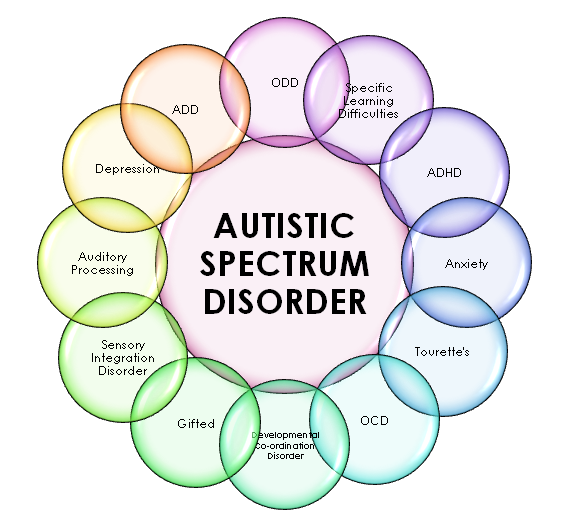
Beyond research, data-driven content also includes infographics and visual summaries that distill complex information into digestible formats. A well-designed infographic might illustrate the prevalence of co-occurring conditions in autistic individuals, such as anxiety, epilepsy, or gastrointestinal disorders. These visuals serve as educational tools, helping to bridge the gap between technical jargon and public understanding. In a platform where attention spans are fleeting, such content ensures that critical information is not lost in the noise.
Advocacy and Activism: Amplifying Demands for Change
Twitter has long been a battleground for social justice, and the autism community is no exception. Advocates use the platform to demand policy changes, challenge ableist rhetoric, and hold institutions accountable. Hashtags like #ActuallyAutistic and #AutismAcceptance are not just tags; they are rallying cries that unite a dispersed community around shared goals. These campaigns often center on issues such as access to education, employment opportunities, and healthcare, as well as the fight against harmful therapies like applied behavior analysis (ABA) when practiced coercively.
One of the most powerful aspects of advocacy on Twitter is its ability to mobilize action. A single viral tweet can spark a wave of donations, volunteer sign-ups, or legislative petitions. For example, a campaign to improve autism services in schools might begin with a thread detailing systemic failures, followed by a call to action that includes contact information for local representatives. The platform’s viral nature ensures that these messages reach far beyond the immediate followers of the original poster, amplifying their impact.
Additionally, Twitter serves as a space for autistic-led organizations to share resources, organize events, and collaborate with allies. These organizations, often run by neurodivergent individuals, provide a counterpoint to traditional autism charities that may prioritize parent perspectives over those of autistic people themselves. By centering autistic voices in advocacy efforts, Twitter helps shift the narrative from one of pity or inspiration to one of empowerment and self-determination.
Community Building: Finding Belonging in a Digital World
For many autistic individuals, Twitter is more than a platform for discussion; it is a community. The sense of belonging that comes from connecting with others who share similar experiences can be transformative. Online support groups, often organized around specific interests or identities, provide a safe space for individuals to vent frustrations, celebrate victories, and offer advice. These communities are not bound by geography, allowing autistic people from around the world to find camaraderie and understanding.
One of the most unique aspects of these communities is their ability to foster creativity. Autistic individuals often excel in areas that require pattern recognition, attention to detail, or unconventional thinking, and Twitter provides an outlet for these strengths. From sharing original artwork and poetry to collaborating on projects like open-source software or zines, the platform becomes a canvas for self-expression. Hashtags like #AutisticArtists and #NeurodivergentCreatives showcase the diverse talents within the community, challenging the stereotype that autism is synonymous with limitation.
Moreover, these communities often extend beyond the digital realm, organizing meetups, conferences, and virtual events that bring people together in person or through video calls. These gatherings are not just social; they are opportunities for networking, learning, and collective action. For parents of newly diagnosed children, these communities offer a lifeline, providing reassurance and practical guidance from those who have walked a similar path.
Educational Resources: Learning in Bite-Sized Formats
Twitter’s brevity is both a limitation and a strength, particularly when it comes to education. The platform excels at delivering bite-sized pieces of information that can be easily consumed and shared. Educational content on Twitter ranges from quick tips for supporting autistic individuals to in-depth threads that explore complex topics like sensory processing or executive dysfunction.
For educators and professionals, Twitter offers a treasure trove of resources. Teachers might follow hashtags like #AutismInclusion or #SpecialEd to access lesson plans, classroom strategies, and professional development opportunities. Speech therapists and occupational therapists share practical advice on techniques like using visual schedules or incorporating sensory-friendly activities into therapy sessions. These resources are not just theoretical; they are grounded in real-world experience, making them invaluable for practitioners seeking to improve their practice.
Parents, too, benefit from the educational content shared on Twitter. A thread might outline strategies for managing meltdowns, while another could provide guidance on navigating the often-confusing process of obtaining an autism diagnosis. These resources demystify the challenges of autism, offering actionable steps that families can implement in their daily lives. The collaborative nature of Twitter means that these educational threads are often crowdsourced, with multiple contributors adding their insights and experiences.
Cultural Critique: Challenging Stereotypes and Misrepresentations
Twitter is also a space for cultural critique, where autistic individuals and allies push back against harmful stereotypes and misrepresentations in media, literature, and public discourse. The platform’s rapid-fire nature makes it an ideal forum for calling out problematic portrayals of autism, whether in movies, news articles, or advertising campaigns. Hashtags like #AutismInMedia and #RepresentationMatters serve as rallying points for these critiques, encouraging users to share their thoughts and demand better representation.
One of the most pervasive stereotypes that autistic people challenge is the notion of autism as a tragedy or a burden. Memes, satire, and pointed commentary are used to subvert these narratives, replacing pity with pride. For example, a viral tweet might juxtapose a clichéd portrayal of an autistic child as “nonverbal and suffering” with a counter-narrative of an autistic adult thriving in their career, pursuing passions, and building meaningful relationships. These critiques are not just about representation; they are about reshaping societal attitudes and dismantling the stigma that has long been attached to autism.
Additionally, Twitter provides a platform for autistic creators to produce their own media, from YouTube videos to podcasts, that offer authentic portrayals of neurodivergent life. These creators use humor, storytelling, and raw honesty to challenge stereotypes, often reaching audiences far larger than traditional media outlets. By taking control of their own narratives, autistic individuals assert their right to define what autism means to them and to society at large.
The digital landscape of Twitter is a paradox—a place of both fragmentation and connection, where voices compete for attention yet find solace in shared experiences. For the autism community, this platform has become an indispensable tool for advocacy, education, and community building. It is a space where personal stories collide with scientific inquiry, where activism intersects with artistry, and where stereotypes are dismantled one tweet at a time. Yet, like any digital ecosystem, Twitter is not without its challenges. The brevity of the format can lead to oversimplification, and the anonymity of the platform can sometimes foster toxicity. Nevertheless, for those who navigate its currents with intention, Twitter offers a rare opportunity to shape the narrative around autism, to demand better representation, and to build a world where neurodivergent voices are not just heard but celebrated. In the end, the conversations and hashtags that emerge from this digital agora are more than just words on a screen; they are the building blocks of a more inclusive and understanding society.