In the evolving landscape of neurodevelopmental science, the question of early autism diagnosis resonates with both urgency and hope. Autism spectrum disorder (ASD), historically identified in toddlerhood or later, is now under the scrutiny of innovative research aiming to shift diagnostic boundaries to infancy. Can autism truly be diagnosed before age 2? This inquiry not only challenges conventional timelines but also invites a reexamination of how we understand early neurodevelopmental markers. The implications of pinpointing autism in infants are profound, promising earlier interventions that could reshape developmental trajectories.
The Evolution of Autism Diagnosis: From Observation to Early Detection
For decades, autism was recognized primarily through behavioral evaluations conducted in children aged 2 or older, often after noticeable developmental delays raised concerns. The diagnostic process relied on clinical observations, parent-reporting, and standardized tests tailored for toddlers and preschoolers. Yet, neurological and developmental science has gradually dismantled the notion that meaningful markers cannot be detected earlier. As research delves into the subtleties of infant behavior—some seemingly imperceptible to the untrained eye—a paradigm shift emerges: the potential for autism diagnosis during infancy.
This development is not merely a technical achievement; it challenges long-standing assumptions about the plasticity of the infant brain and the critical windows for intervention. Early diagnosis redefines the dialogue between caregivers, clinicians, and researchers, positioning them to intervene during the most malleable periods of neural development.
Recognizing Early Indicators: Behavioral and Neurological Clues in Infants
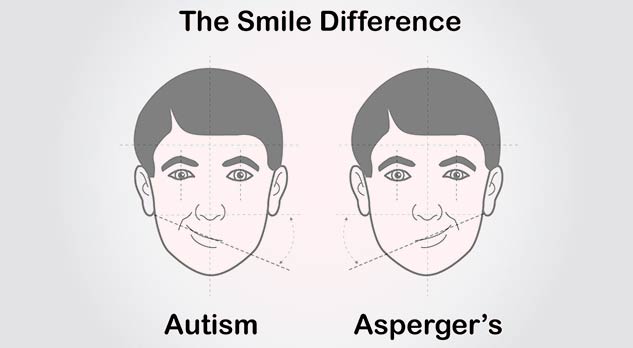
Pinpointing autism in children under 2 years old necessitates the detection of nuanced behavioral and neurological signals that diverge from typical developmental patterns. Some infants exhibit atypical eye contact, diminished social smiling, or reduced responsiveness to their names by around 6 to 12 months of age. Others may show atypical motor behaviors, such as delayed reaching or unusual hand movements. While these signs alone do not confirm autism, their constellation warrants close scrutiny.
Neuroscientific advancements also bring tools like functional MRI and EEG to bear, revealing atypical brain connectivity and sensory processing differences that precede overt behavioral symptoms. These modalities illuminate neurological substrates that may underpin emerging ASD, providing a biological framework that enhances the reliability of early diagnosis.

Challenges and Complexities in Diagnosing Autism Before Age 2
Despite the compelling promise of early diagnosis, significant obstacles remain. The infant brain exhibits remarkable variability in its pace and manner of development. Differentiating between transient developmental delays and persistent markers of ASD requires substantial expertise and longitudinal observation. Furthermore, the heterogeneity inherent in autism’s presentation complicates early identification. Some infants may not display discernible signs until after 18 months or later. Others with subtle symptoms risk being overlooked if evaluations are not sufficiently comprehensive.
The risk of false positives carries ethical weight; misdiagnosing an infant could provoke undue parental anxiety and lead to unnecessary interventions. Consequently, clinicians balance the benefits of prompt diagnosis against the pitfalls of premature labeling, emphasizing rigorous protocols and evidence-based screening tools.
Screening Tools and Diagnostic Protocols for Infants
A suite of screening instruments has been developed or adapted for use in infants and toddlers, aiming to detect early signs of autism with increasing precision. The Modified Checklist for Autism in Toddlers (M-CHAT) and other parent-report measures are often deployed by pediatricians during routine well-child visits. Additionally, specialized observational assessments focus on social communication, joint attention, and sensory responsiveness.
Emerging diagnostic approaches integrate multidisciplinary perspectives, combining behavioral assessments with neurophysiological data to refine accuracy. This hybrid methodology holds great promise for delineating atypical developmental pathways before the age of 2, accelerating the initiation of tailored interventions.

The Transformative Potential of Early Intervention
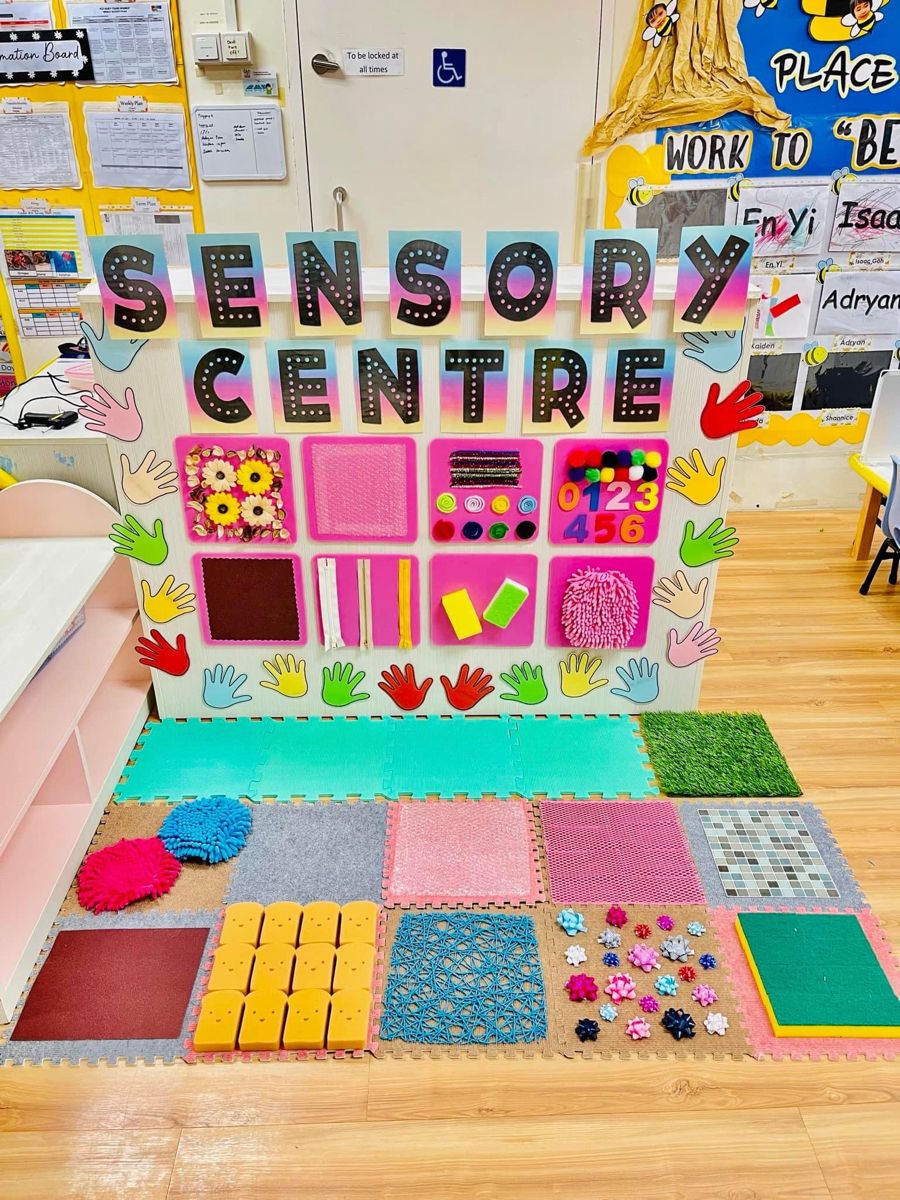
The prospect of diagnosing autism before age 2 is not an end in itself but a catalyst for transformative early intervention strategies. Interventions initiated during infancy harness the brain’s extraordinary plasticity, potentially mitigating challenges related to communication, social skills, and sensory integration. Early therapy can employ play-based techniques, parental coaching, and tailored sensory-motor activities designed to foster neural connectivity and functional skills.
Studies demonstrate that children receiving early, individualized support often exhibit improved social engagement and adaptive functioning as they grow. These outcomes underscore why early detection transcends diagnosis—it serves as a gateway to enhanced developmental opportunities and quality of life.
Looking Forward: The Future of Infant Autism Diagnosis
The horizon of autism diagnosis in infants is expanding through technology-driven insights and interdisciplinary collaboration. Advances in genetics, machine learning algorithms analyzing behavioral data, and novel biomarkers promise greater diagnostic accuracy and earlier timelines. This burgeoning field is poised to revolutionize how caregivers and clinicians approach neurodevelopmental monitoring from birth onward.
Yet, the journey is both scientific and humane, demanding sensitivity to families’ experiences and a commitment to equitable access to diagnostic and intervention resources. As research progresses, the aspiration is clear: to empower families with early knowledge, actionable insights, and hope for their children’s developmental journeys.

In conclusion, diagnosing autism before age 2 marks a pivotal shift in understanding and responding to neurodevelopmental diversity. This advance promises to transform lives through earlier support and tailored interventions, fostering a future where each child’s potential can be more fully realized from the very start of life’s journey. As the dialogue between science and caregiving deepens, the veil over early autism diagnosis is lifting—ushering in a new epoch of hope, precision, and compassion.