In the intricate landscape of developmental disorders, autism spectrum disorder (ASD) presents unique challenges that necessitate timely recognition and intervention. Pediatricians, positioned at the vanguard of child healthcare, hold a pivotal role in the early detection of autism. Their vigilance and methodical approach can profoundly influence the developmental trajectory of children, fostering improved outcomes through early support and tailored interventions.
The Imperative of Early Autism Detection
Early identification of autism spectrum disorder is not merely a clinical formality but a vital step that shapes the future quality of life for affected children. Subtle divergences in communication, social interaction, and behavior often emerge within the first two years of life. Pediatricians, through routine developmental surveillance, are uniquely equipped to discern these early signals. Recognizing autism promptly allows families and professionals to activate early intervention programs, which have been consistently validated to enhance cognitive, language, and adaptive skills.
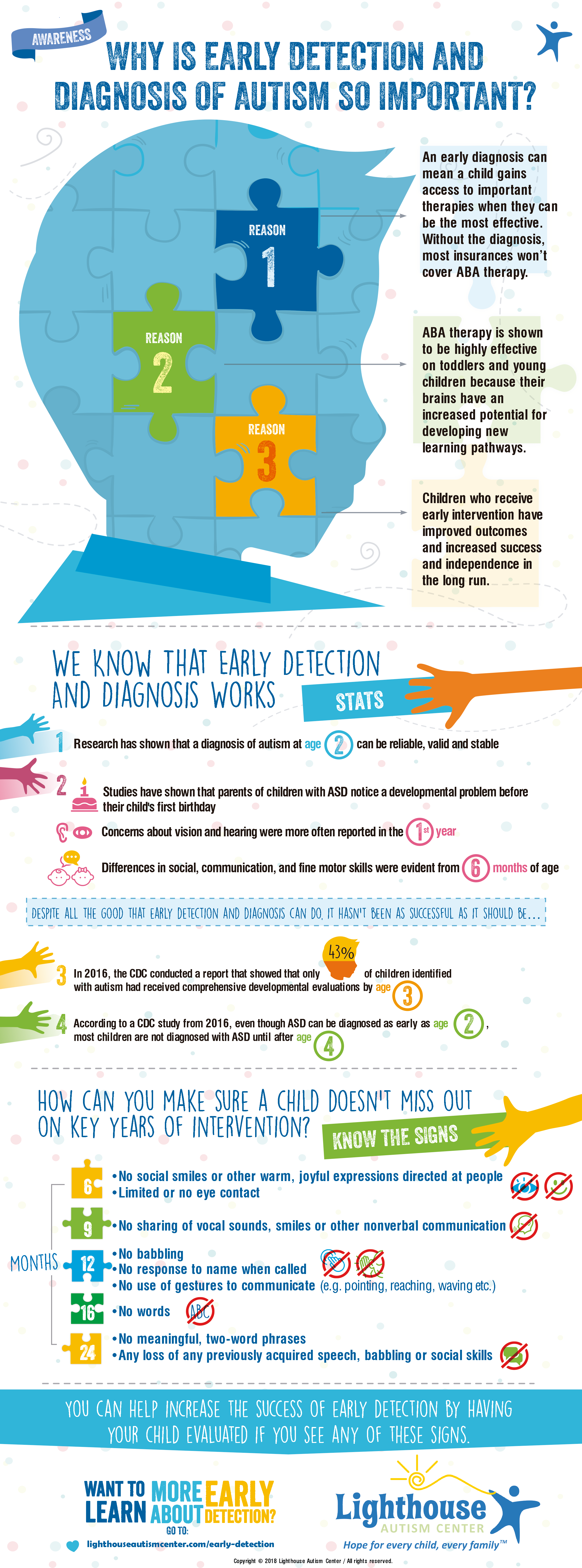
Early detection is intertwined with improved prognoses. Research has underscored how the brain’s plasticity in early childhood offers a critical window for meaningful developmental gains. Pediatricians act as gatekeepers, ensuring that children demonstrating at-risk behaviors or delays are swiftly referred for comprehensive diagnostic evaluation.
Developmental Surveillance and Screening: Tools of the Trade
Pediatricians employ a spectrum of strategies for autism detection, ranging from observational developmental surveillance to standardized screening instruments. Observational developmental surveillance involves periodic assessment of a child’s milestones during well-child visits, enabling clinicians to note any atypical developmental patterns. This ongoing process is complemented by formal screening tools such as the Modified Checklist for Autism in Toddlers (M-CHAT), a widely adopted questionnaire that aids in identifying autism indicators before overt manifestations become evident.
Routine application of structured screening at 18 and 24 months is a recommended practice that underscores the commitment to early diagnosis. These tools, while not diagnostic themselves, serve as indispensable filters that pinpoint children warranting detailed evaluation. Through integrating both surveillance and screening, pediatricians craft a nuanced picture of each child’s developmental health.
Collaborative Approach in Diagnostic Assessment
The role of the pediatrician extends beyond initial detection to fostering a multidisciplinary model of assessment. Upon suspicion of autism, pediatricians coordinate referrals to specialists such as developmental-behavioral pediatricians, child neurologists, and clinical psychologists. This collaborative framework ensures comprehensive examination encompassing behavioral observation, cognitive testing, and, increasingly, genetic analysis.

Genetic testing, an emerging adjunct in autism evaluation, unveils underlying etiologies that may influence prognosis and therapeutic strategies. Pediatricians guide families through this complex terrain, elucidating the significance of findings and coordinating individualized care plans. This holistic approach underscores the pediatrician’s role as both diagnostician and advocate, bridging clinical expertise with family-centered care.
Parental Engagement and Education
An integral dimension of pediatric practice in autism detection lies in empowering parents. Pediatricians engage caregivers in candid conversations about developmental expectations and red flags. They provide educational resources to demystify the nature of autism and alleviate anxieties associated with screening outcomes. This nurturing dialogue fosters trust and supports families through the uncertainties of diagnosis and early intervention pathways.
Parental insights are invaluable. Pediatricians actively solicit observers’ reports of their child’s behavior across different environments, recognizing nuances that may elude clinical observation alone. This partnership cultivates a comprehensive understanding crucial for accurate detection.
Early Intervention Referral and Advocacy
Detection is a threshold. The subsequent imperative is swift referral to evidence-based early intervention services. Pediatricians maintain knowledge of local and national programs designed to support infants and toddlers with developmental delays, such as specialized therapies targeting social communication and adaptive behavior.

In serving as navigators of this complex service landscape, pediatricians actively advocate for timely access, often collaborating with early intervention specialists, therapists, and educators. This continuity of care maximizes developmental potential and ensures families receive a continuum of support tailored to their child’s evolving needs.
Challenges and Opportunities in Pediatric Autism Detection
Despite the critical role pediatricians play, several challenges persist. Variability in symptom presentation, time constraints during consultations, and disparities in access to specialized services can impede early identification efforts. Moreover, cultural and linguistic diversity requires pediatricians to adapt communication and screening strategies to effectively reach all populations.
Nonetheless, ongoing advancements in screening methodologies, heightened awareness, and policy initiatives promoting universal screening present unprecedented opportunities. Pediatricians stand at a dynamic crossroads, integrating innovative tools and evidence-based practices to refine early detection processes.
Conclusion
The role of pediatricians in early autism detection is a fulcrum upon which developmental outcomes pivot. Through vigilant surveillance, strategic screening, collaborative diagnostics, and compassionate family engagement, pediatricians navigate the complexities of autism identification with an unwavering commitment to early intervention. Their expertise not only facilitates timely diagnosis but also ignites pathways to support and empowerment for children and their families, fostering a foundation upon which thriving futures are built.