Understanding the nuances between Asperger’s Syndrome and Autism is essential for fostering awareness, promoting accurate diagnosis, and providing appropriate support. Although often spoken of interchangeably, these conditions present distinct characteristics that influence an individual’s life in unique ways. This article seeks to dissect the differences and similarities inherent to Asperger’s Syndrome and Autism, illuminating the spectrum of experiences while aiding readers in navigating the complex diagnostic landscape.
Defining Asperger’s Syndrome and Autism
At the foundational level, both Asperger’s Syndrome and Autism fall under the umbrella of neurodevelopmental disorders characterized by challenges in social interaction, communication, and restricted or repetitive behaviors. Asperger’s Syndrome was historically classified as a separate diagnosis recognized for its particular profile of abilities and difficulties. In contrast, Autism Spectrum Disorder (ASD) encompasses a broader range of symptoms, severities, and functional capacities.
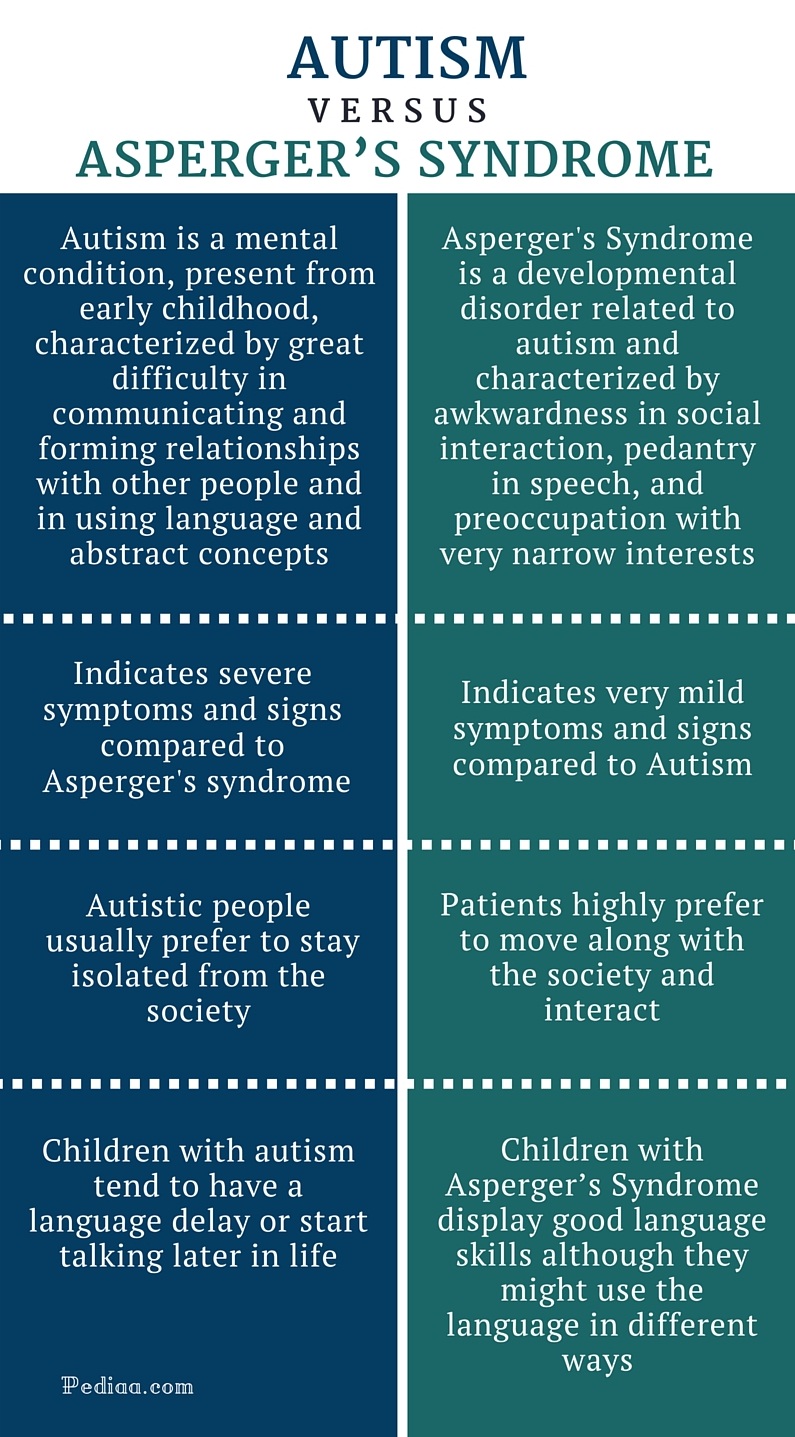
Distinct from classic Autism, individuals with Asperger’s Syndrome typically exhibit average to above-average verbal skills and cognitive functioning. Their difficulties predominantly revolve around social reciprocity and nuanced communication, rather than language delay or intellectual impairment. Meanwhile, Autism is often identified by a wider scope of developmental challenges, including language delays and intellectual disabilities in some cases.
Diagnostic Criteria and Classification
The differentiation between Asperger’s Syndrome and Autism has evolved significantly, particularly with updates in diagnostic manuals such as the DSM-5, which subsumed Asperger’s Syndrome into Autism Spectrum Disorder. This consolidation recognizes the spectrum’s fluidity and the overlapping qualities of these conditions; however, clinicians and researchers continue to acknowledge Asperger’s as a meaningful sub-category due to its distinct presentation.
Asperger’s diagnosis emphasizes difficulties in social communication coupled with restricted interests, but lacks the early language delay characteristic of many Autism profiles. This subtle yet critical distinction influences both clinical assessments and therapeutic approaches, impacting how interventions are tailored to individual needs.
Communication and Social Interaction
One of the most salient areas of difference involves communication. Individuals with Asperger’s Syndrome often have a robust vocabulary and fluent speech but struggle with pragmatic language—that is, the social use of language. They might find it challenging to interpret idioms, sarcasm, or nonverbal cues, which can hinder social integration despite their otherwise articulate expression.
Conversely, Autism may present with a wider range of communication abilities, including nonverbal behavior or delayed speech development. Some individuals on the autism spectrum might rely on alternative communication methods, and their social engagement is frequently characterized by more pronounced difficulties in forming and maintaining relationships.
Repetitive Behaviors and Interests
Both Asperger’s and Autism involve restricted and repetitive behaviors; however, the manifestation of these tendencies can differ. In Asperger’s Syndrome, these behaviors often manifest as highly focused and intense interests, sometimes referred to as “special interests,” which can dominate conversations and activities. These passions can serve as both a channel of comfort and a potential barrier to broader social interaction.
In Autism, repetitive behaviors might also include motor stereotypies, ritualistic behaviors, or rigid adherence to routines, sometimes coupled with sensory sensitivities that are less commonly noted in Asperger’s. These behaviors impact daily functioning and require individualized strategies to manage effectively.
Cognitive Abilities and Learning Styles
Individuals with Asperger’s Syndrome generally exhibit average or above-average intelligence. Their cognitive profile might include strengths in logical reasoning, memory, and detailed thinking, coupled with challenges in abstract reasoning or adaptive behaviors. This nuanced cognitive style necessitates educational frameworks that leverage strengths while supporting social and emotional development.
Autism encompasses a broader cognitive range, crossing into intellectual disability in some instances. Learning modalities vary extensively, which calls for comprehensive evaluations to identify apt pedagogical strategies and support systems. Recognizing these differences ensures educational interventions are customized and meaningful.
Co-Occurring Conditions and Challenges
Both Asperger’s and Autism frequently coexist with other neurological or psychiatric conditions such as anxiety, depression, ADHD, and sensory processing disorders. The prevalence of these co-occurrences complicates diagnosis and management, requiring multidisciplinary approaches for optimal outcomes.
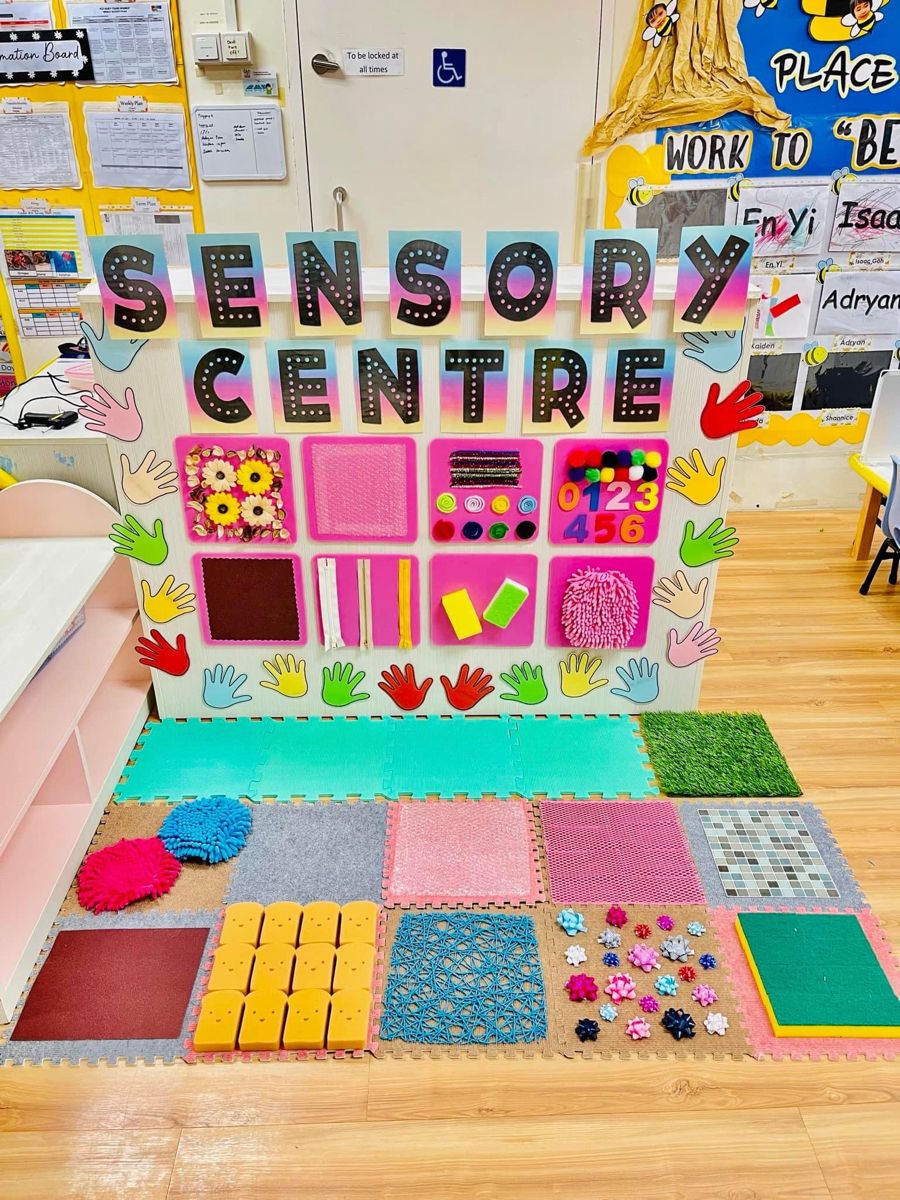
Sensory sensitivities often present differently across the spectrum, influencing environmental tolerances and daily routines. Understanding these subtleties enhances the ability to design supportive spaces and interventions tailored to individual sensory profiles.
The Importance of Early Identification and Intervention
Timely identification of either Asperger’s Syndrome or Autism is crucial to facilitating developmental progress and improving quality of life. Early intervention programs focus on enhancing communication skills, social understanding, and adaptive behaviors, leveraging neuroplasticity during critical periods of growth.
For individuals with Asperger’s, targeted social skills training and cognitive-behavioral interventions prove invaluable, while comprehensive behavioral therapies may be more applicable for some on the autism spectrum. Access to appropriate resources and ongoing support systems underpins success in managing challenges effectively.
Societal Perceptions and Stigma
Public awareness of Autism has surged in recent years, but misconceptions and stigma persist, often obscuring the lived reality of individuals with Asperger’s Syndrome and Autism. The subtler presentation of Asperger’s can lead to underdiagnosis or misinterpretation of behaviors, emphasizing the need for increased education and sensitivity.
Promoting neurodiversity and inclusive policies encourages acceptance and accommodation. Recognizing the diverse expressions within the spectrum helps dismantle stereotypes, fostering environments where individuals thrive and contribute meaningfully.
Conclusion: Embracing the Spectrum
While Asperger’s Syndrome and Autism share common ground, their distinctions manifest across communication, social interaction, cognitive functioning, and behavioral patterns. Understanding these differences deepens comprehension of the autism spectrum’s rich mosaic and informs more precise diagnoses and personalized interventions.
As research expands and awareness grows, society moves closer to embracing neurodiversity with empathy and respect. Recognizing and valuing each individual’s unique strengths and challenges is the cornerstone of meaningful support and inclusion.