The intricate relationship between autism and savant skills is a topic surrounded by both fascination and misconception. While popular culture often portrays individuals with autism as possessing extraordinary talents, the reality is nuanced and demands careful examination. This exploration delineates the myths and realities surrounding autism and savant skills, providing a comprehensive understanding of the diverse spectrum of abilities and challenges inherent in this intersection.
The Spectrum of Autism: Beyond Simplistic Generalizations
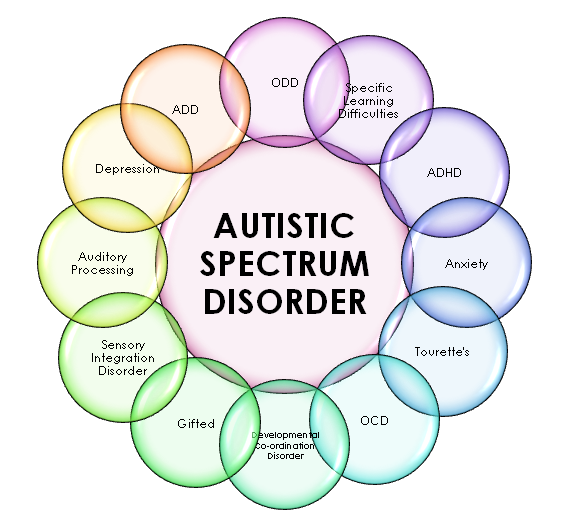
Autism Spectrum Disorder (ASD) encompasses a wide array of neurological differences that affect social communication, behavior, and sensory processing. It is imperative to recognize that autism is not a monolithic condition but rather a complex continuum. Individuals diagnosed with ASD manifest a vast range of abilities, from profound cognitive challenges to remarkable intellectual capacities. This heterogeneity means that there is no universal profile when it comes to skills or talents within the autistic community.
Contrary to reductive stereotypes, most individuals with autism do not have savant abilities. In fact, savant skills are relatively rare, estimated to occur in approximately 10% of autistic people. These specialized talents are often juxtaposed with significant developmental difficulties, underscoring the complexity of the autism experience rather than its simplification.
Decoding Savant Skills: What Lies Beneath the Surface?
Savant syndrome represents a constellation of exceptional abilities that emerge in areas such as memory, calculation, artistic expression, musical aptitude, or spatial reasoning. These skills often manifest alongside neurodevelopmental disorders, including autism, though the exact mechanisms remain elusive. Savant skills can be prodigious, exemplified by extraordinary feats of memory or calculation that appear almost superhuman, yet they are sometimes circumscribed to specific domains.

The origins of savant skills continue to intrigue neuroscientists and psychologists alike. Some theories propose that intense focus, divergent neural wiring, or compensatory mechanisms contribute to these talents. It is also observed that some individuals exhibit latent skills that become apparent when the brain reorganizes or adapts in response to changes, injuries, or developmental differences.
Common Myths Surrounding Autism and Savant Abilities
Popular media often perpetuates several misconceptions that cloud public understanding. One pervasive myth is that all individuals with autism possess savant skills. This myth creates unrealistic expectations and can inadvertently marginalize those who do not display such talents.
Another fallacy is the assumption that savant skills imply superior overall intelligence. The reality is more complex; many autistic savants have uneven cognitive profiles, with extraordinary abilities in specific areas coexisting alongside challenges in others. Moreover, the portrayal of savants as socially isolated geniuses undermines the social and emotional diversity present within this community.
Recognizing Diverse Talents: Beyond the Savant Label
While savant abilities are captivating, it is essential to appreciate the broader landscape of skills and learning styles among individuals with autism. Many excel in creativity, visual thinking, pattern recognition, or logical reasoning without fitting the traditional savant archetype. These strengths often contribute positively to educational and professional settings when adequately nurtured.
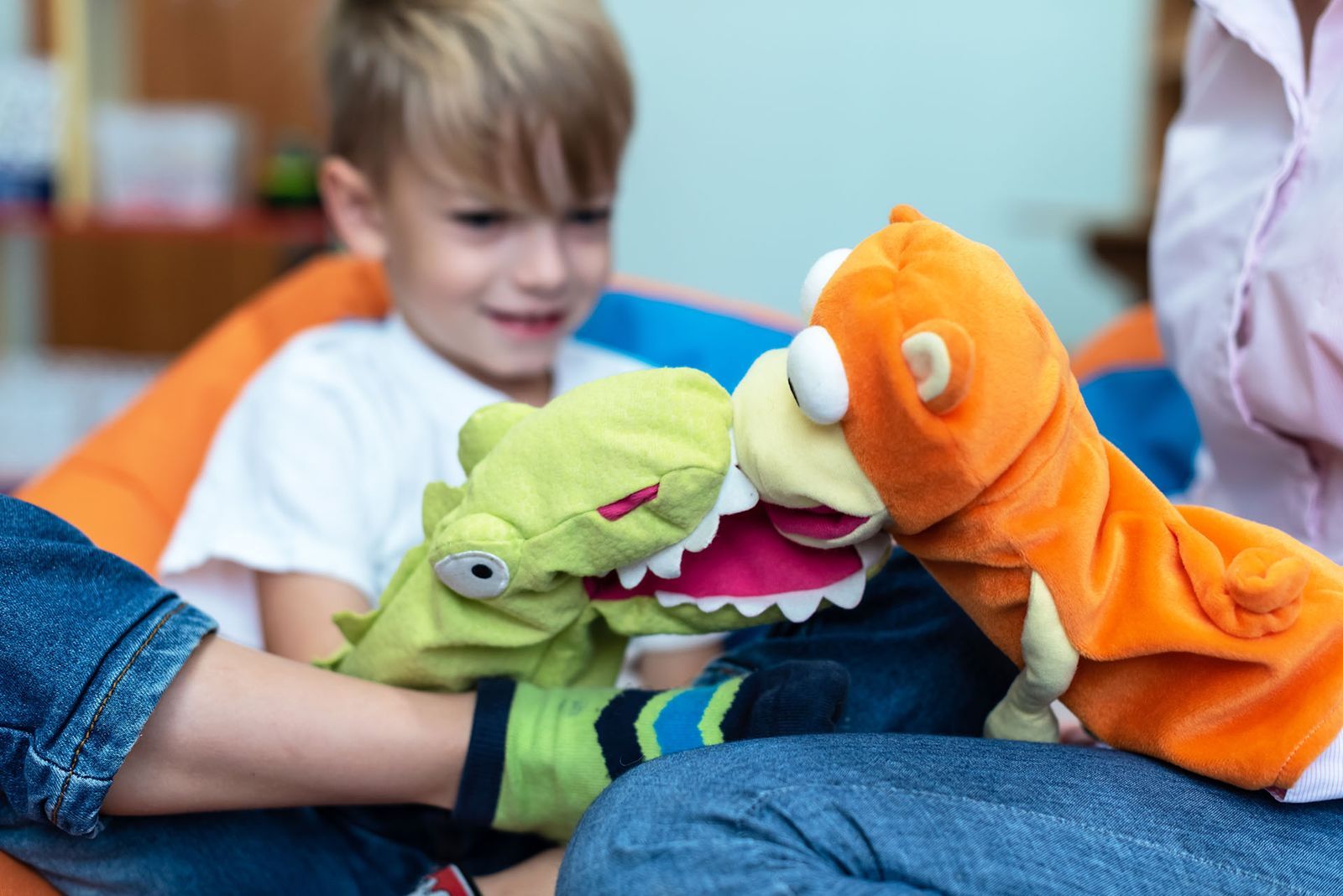
Importantly, therapeutic interventions and specialized educational approaches can harness and cultivate these diverse talents, fostering greater independence and self-advocacy. A strengths-based perspective encourages the identification and promotion of abilities that enhance quality of life rather than focusing solely on deficits.
Implications for Therapy and Support Strategies
Understanding the myth-reality dichotomy is vital for designing effective therapeutic interventions. For example, some treatments may incorporate areas of interest or talent as motivational tools, thereby enhancing engagement and learning outcomes.

Advanced therapy clinics often employ individualized approaches that respect the unique cognitive profiles of each person. This includes leveraging nonverbal strengths, facilitating communication through alternative means, and providing environments that reduce sensory overload. Recognizing and validating the presence or absence of savant skills ensures expectations are aligned with the individual’s realities, thereby reducing frustration and enhancing self-esteem.
Future Directions: Research and Societal Perceptions
Emerging research continues to explore the neurological underpinnings and developmental trajectories of savant skills. Technological advances in neuroimaging and cognitive science hold promise for unveiling the cerebral pathways linked to these phenomena. This ongoing inquiry strives not only to decode savant syndrome but also to improve support for a broader range of neurodivergent individuals.
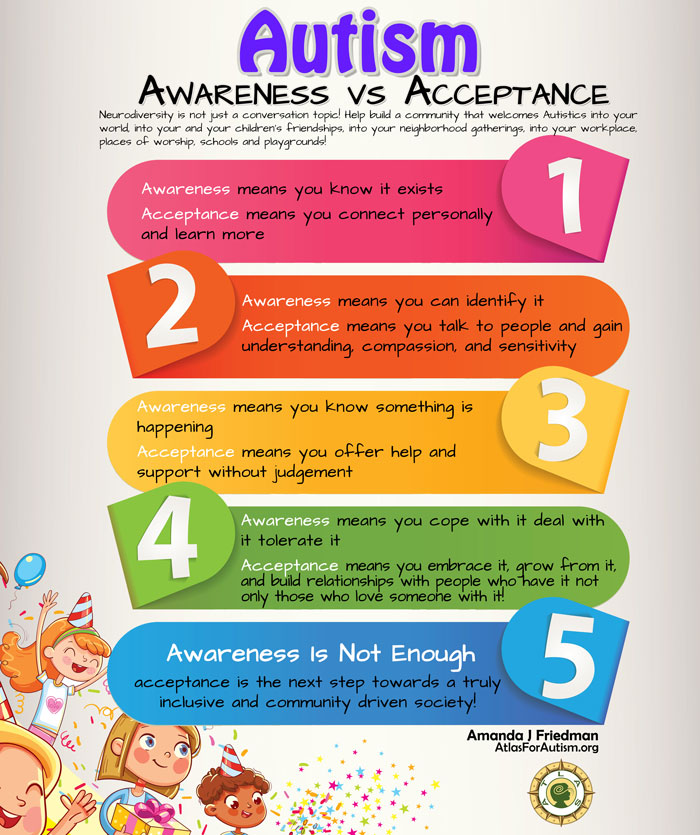
From a societal perspective, promoting informed narratives and dismantling myths fosters greater inclusion and empathy. Celebrating neurodiversity as a spectrum of rich human experiences rather than a singular story of extraordinary talent helps cultivate nuanced understanding and reduces stigmatization.
In conclusion, the interplay between autism and savant skills is marked by complexity and diversity. Disentangling myth from reality reveals a landscape where exceptional abilities may emerge, but not define, the autistic experience. A comprehensive appreciation of this dynamic invites a more compassionate, individualized approach to support and inclusion, ultimately honoring the multifaceted humanity of all individuals on the spectrum.