Autism spectrum disorder (ASD) is often described as an intricate tapestry woven from threads of genetic and environmental influences. Within this elaborate fabric, identical twins offer a particularly compelling thread. Their shared DNA serves as a natural laboratory for exploring the enigmatic interplay that shapes autism. The narrative of identical twins navigating autism is not merely a story of commonality, but also a compelling testament to individuality, resilience, and the boundless complexity of the human mind.
The Genetic Mirror: Exploring Concordance Rates in Identical Twins
Imagine identical twins as two mirrors reflecting the same genetic image. This reflection is so precise that it almost mirrors every physical and biological trait. Yet, when it comes to autism, the reflection sometimes diverges in surprising ways. Studies show that the concordance rates—the likelihood that both twins will have autism—are significantly higher among identical twins than fraternal twins, indicating a strong genetic component.
However, concordance is not absolute. Approximately 60-90% of monozygotic twins are concordant for autism compared to around 10-30% for dizygotic twins. This disparity underscores genetics as a cardinal influence but also spotlights the role of non-genetic factors. It reveals that autism’s genesis is not a monolithic script but a complex mosaic influenced by subtle, yet significant, environmental variables.

The Epigenetic Palimpsest: Environmental Influences Beyond DNA
Epigenetics can be viewed as an invisible pen altering the genetic manuscript inscribed within DNA, adding layers of nuance without changing the underlying script. Identical twins, who share an identical genome, sometimes diverge in their expression of autism due to epigenetic mechanisms.
This concept shifts the conversation beyond genetic determinism. It illustrates how prenatal factors, birth complications, immunological differences, and even maternal health can imprint uniquely on each twin. The epigenetic palimpsest means that even minuscule environmental variances—such as subtle differences in nutrient availability or exposure to toxins—can sculpt divergent developmental pathways in neurodivergent twins.
Behavioral Divergence: The Intricate Dance of Individualities
Though genetically indistinguishable, identical twins with autism often display strikingly different behaviors, skills, and challenges. This phenomenon is akin to two dancers performing the same choreography but infusing their own interpretations, creating distinct expressions from shared beginnings.
Some studies highlight cases where one twin might exhibit classic autism traits, such as limited social interaction or repetitive behaviors, while the other develops more adaptive strategies, revealing nuanced differences in social cognition, language acquisition, or sensory sensitivities. These disparities emphasize that autism is not a singular entity but a spectrum shimmering with individual variability even within tightly knit genetic frameworks.
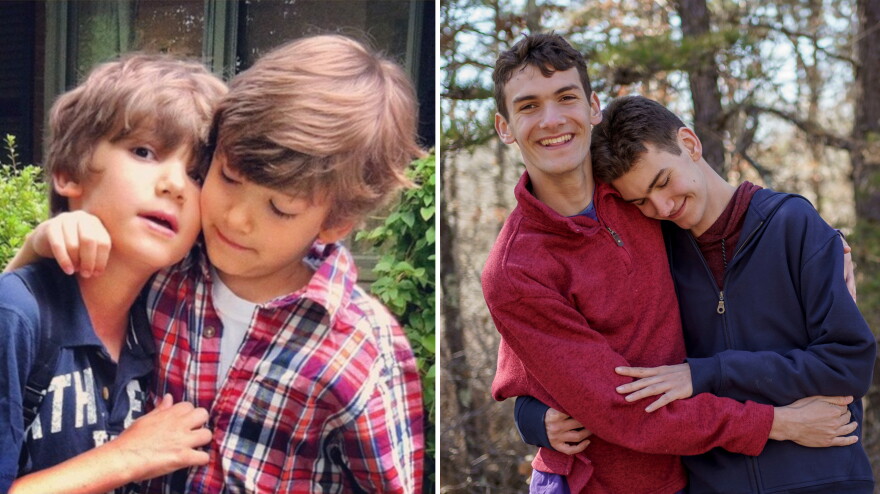
Neurodevelopmental Trajectories: The Temporal Dimension of Autism in Twins
Identical twins traverse the neurodevelopmental journey on parallel yet not identical paths. Time, with its relentless march, introduces changes in cognition and behavior that may accentuate differences.
Longitudinal research has shown that some twins diverge in their developmental trajectories as they grow older. One might plateau or even improve certain autistic traits, while the other experiences different challenges or gains in social interaction. This temporal dynamism reflects how autism is not a static diagnosis but an evolving condition, shaped by ongoing interactions between the brain, environment, and life experiences.
The Therapeutic and Diagnostic Relevance
Understanding autism through the lens of identical twins provides invaluable insights for both diagnosis and intervention. The twin model elucidates the limits of genetic prediction, cautioning against oversimplified notions of determinism.
It also highlights the necessity for personalized therapeutic approaches that account for unique presentations—even among individuals with near-identical DNA. Early, individualized intervention can leverage differences to foster resilience and adaptive skills, underscoring the ultimate goal: to nurture each person’s potential rather than to fit a singular mold of ‘normalcy.’
The Unique Appeal: More Than Genetics, A Testament to Human Complexity
The story of identical twins and autism is an evocative metaphor for the human condition: identical blueprints giving rise to distinctive beings. It speaks to the extraordinary complexity of neurological development and the delicate alchemy of genes and environment.
These narratives urge a deeper appreciation of diversity, both genetic and experiential, reminding us that no spectrum is uniform. This nuanced view expands empathy and refines our scientific understanding, encouraging a more inclusive and individualized perspective on autism and neurodiversity.
In essence, identical twins and autism are a prism refracting light into myriad colors—sometimes overlapping, sometimes contrasting—each shade valuable and instructive. Their stories enrich the discourse on autism, continually challenging and inspiring researchers, clinicians, and families alike.