Autism Spectrum Disorder (ASD) continues to captivate researchers, clinicians, and families alike, not only because of its multifaceted presentation but also due to the profound question of its origins. One of the most frequently pondered considerations is the extent to which autism is hereditary. Why does this query resonate so deeply? It touches upon our fundamental desire to understand how traits and conditions traverse family lines, shaping identities across generations. The interplay between genetics and environment in autism presents a complex tapestry, challenging simplistic interpretations and inviting rigorous exploration.
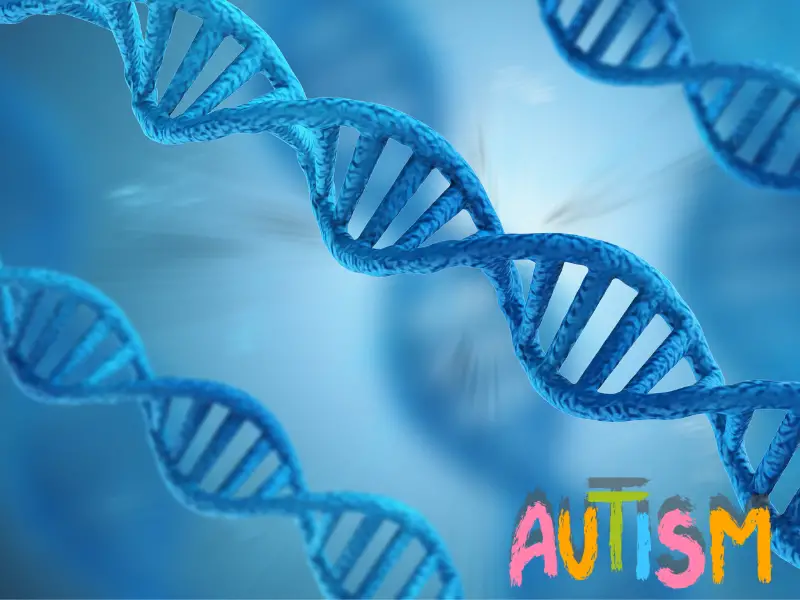
The Genetic Architecture Behind Autism
At the core of the discourse surrounding autism’s heritability is the intricate landscape of human genetics. Autism is not caused by a single gene but is instead associated with a constellation of genetic variations. These include common variants—small changes in DNA that many individuals carry without overt symptoms—and rare mutations that substantially affect function. Twin studies, regarded as a gold standard in genetic epidemiology, demonstrate that monozygotic (identical) twins show a concordance rate for autism far higher than dizygotic (fraternal) twins, underscoring a significant hereditary component.
Yet, the genetic architecture is polygenic, meaning multiple genes contribute modestly to risk, interacting in complex networks. No single “autism gene” exists, as it might in monogenic disorders like cystic fibrosis. Instead, susceptibility arises from cumulative genetic factors combined with epigenetic modifications, which affect gene expression without altering the underlying DNA sequence.
Heritability Estimates: Quantifying Genetic Influence
Heritability, within the context of autism, refers to the proportion of variation in risk attributable to genetic differences within a population. Estimates vary but are generally high—ranging from 50% to as high as 90% in some twin studies. This suggests a substantial genetic underpinning, though it does not imply destiny. A high heritability does not mean a condition is immutable or solely inherited; it rather reflects how genetic variance explains differences across individuals.
This figure contrasts with the actual probability that a child will inherit autism from an affected parent. Recurrence risk studies indicate that if one child has autism, the chance that a sibling will also be diagnosed is elevated compared to the general population but remains below certainty, typically estimated between 10-20%. Thus, genetics set the stage, but the script includes additional actors.
Beyond Genes: The Role of Environmental and Epigenetic Factors
Fascination with heredity often overshadows the equally pivotal influence of non-genetic elements. Environmental exposures—prenatal and perinatal factors such as maternal infections, nutritional status, or exposure to toxins—can interact synergistically or antagonistically with genetic predispositions. Furthermore, epigenetic mechanisms, which modulate how genes are expressed, introduce an additional layer of complexity.
For example, identical twins with the same genetic makeup can present quite differently on the autism spectrum, highlighting that non-genetic influences modulate the phenotypic manifestation of underlying susceptibilities. Consequently, while family history provides crucial insights, it does not tell the entire story.
The Enigma of De Novo Mutations
Adding nuance is the phenomenon of de novo mutations—spontaneous genetic changes that arise in germ cells or early embryonic development, not inherited from either parent. These mutations can have profound effects and contribute to autism risk independent of familial history. Their occurrence elucidates why autism can appear in families with no prior diagnosis, underscoring the dynamic and evolving nature of genetic contributions.

Researchers have identified de novo mutations in several genes associated with synaptic function and neurodevelopment, corroborating the critical role these novel variants play. They exemplify how the heritability of autism embraces both inherited susceptibility and fresh genetic alterations.
The Intersection of Heredity and Phenotypic Diversity
Autism manifests heterogeneously, ranging from subtle social communication difficulties to profound challenges requiring lifelong support. This phenotypic diversity complicates efforts to delineate clear hereditary patterns. Genetic variants that increase risk may lead to vastly different outcomes depending on their combinatorial effects and contextual influences.
Consequently, two siblings carrying similar genetic risk profiles may present divergent clinical features or even differ in diagnosis altogether. This variability accentuates the intricate gene-environment interplay and the limitations of focusing solely on heredity.
Implications for Families and Future Research
The question of how much autism is hereditary carries profound implications for families navigating diagnosis and planning for the future. Understanding the genetic dimension offers reassurance as well as insight, but it also cautions against deterministic thinking. Genetic counseling becomes invaluable in helping families comprehend risks, interpret genetic findings, and consider reproductive options.
Simultaneously, ongoing research continues to unravel the genetic underpinnings with improved technologies like whole-genome sequencing and advanced computational models. These advances seek to clarify the molecular pathways involved and articulate how genetics converge with environmental exposures to yield diverse phenotypes.
In sum, the hereditary component of autism is substantial but multifactorial, involving a spectrum of inherited and spontaneous genetic factors intertwined with external influences. This complexity kindles ongoing fascination, reflecting the broader challenges in decoding neurodevelopmental disorders. As science advances, so too does the potential to translate genetic knowledge into tailored supports and interventions, ultimately enhancing outcomes for individuals with autism and their families.