Social skills therapy for autism is a specialized intervention designed to enhance interpersonal communication, social understanding, and emotional reciprocity in individuals on the autism spectrum. Navigating social interactions often poses unique challenges to autistic individuals, and tailored therapeutic approaches offer structured opportunities to cultivate these vital skills. Understanding what to expect from social skills therapy can provide clarity and reassurance for families and caregivers seeking effective support.
Understanding Social Skills Therapy: Foundations and Objectives
At its core, social skills therapy seeks to bridge gaps in communication and social perception that are common in autism spectrum disorder (ASD). The therapy ambitiously aims beyond rote learning of social norms; it focuses on fostering genuine social engagement, emotional regulation, and adaptive behavior in nuanced social contexts. Participants are supported in developing abilities such as interpreting nonverbal cues, maintaining conversations, managing frustrations, and empathizing with others’ perspectives.
Expect thermodynamic frameworks and evidence-based methodologies underpinning therapy sessions. These frameworks emphasize the importance of individualized goals, assessing baseline abilities, and progressing incrementally through varied social scenarios. Therapists use these foundations to tailor interventions that resonate with each participant’s unique profile.
Group Therapy: Peer Interaction and Model Learning
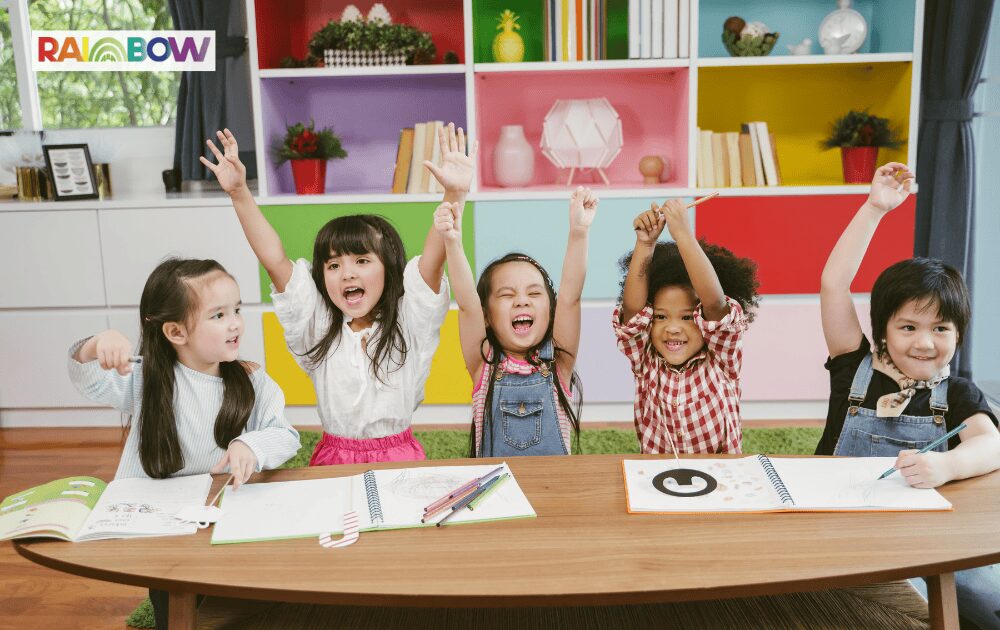
One of the most prevalent and efficacious forms of social skills therapy is conducted within group settings. Social skills groups typically gather small cohorts of children or adolescents with ASD to engage in guided social activities. These groups serve as microcosms for real-life interactions, allowing participants to practice social overtures, turn-taking, and collaborative problem-solving in a safe and supervised environment.
Group therapy is dynamic in nature and often incorporates role-playing exercises, structured games, and cooperative tasks that encourage verbal and non-verbal communication. Facilitators function as social models and scaffolding agents, providing prompts and feedback to reinforce appropriate social behavior. In essence, these sessions mimic authentic social milieus, which bolsters transferability outside the therapeutic context.

One-on-One Therapy: Personalized Strategies and Individualized Focus
For individuals whose challenges require a more intricate or bespoke approach, one-on-one social skills therapy offers a highly customized modality. Therapists engage directly with the individual, meticulously assessing strengths and areas for development. This individualized attention enables targeting specific social deficits, such as initiating conversations, managing anxiety in social settings, or understanding abstract social cues like sarcasm or humor.
Therapeutic tools in individual sessions may include social stories, video modeling, cognitive-behavioral techniques, and emotion recognition training. These methods foster internalization of social concepts and promote self-monitoring. Through repeated practice and gradual exposure to social scenarios, individuals build confidence and competence in their social repertoire.
Technology-Enhanced Interventions: Innovations in Social Skills Therapy
Emerging modalities increasingly leverage technology to augment traditional therapy. Virtual reality, interactive apps, and computer-based programs simulate social interactions and provide instant feedback. These tools are particularly beneficial for those who may find live interactions overwhelming or need additional practice outside of therapy sessions.
Apps designed for autism social skills training often include gamified elements to sustain engagement, while virtual environments can replicate public spaces or peer interactions in a controlled manner. The integration of technology facilitates asynchronous learning, allowing individuals to progress at their own pace while achieving consistent reinforcement of social concepts.
Parental and Caregiver Involvement: Collaborative Support Systems
Social skills therapy is most efficacious when embedded in a collaborative support system involving parents, caregivers, and educators. Therapy programs often incorporate training sessions for caregivers to equip them with strategies to reinforce learned skills beyond clinical settings. This holistic approach ensures consistency, generalization, and maintenance of social behaviors.
Expect guidance on implementing social routines at home, facilitating peer interactions, and managing challenging social situations in everyday life. Therapist-led workshops or coaching sessions may also focus on enhancing caregiver understanding of autism-specific social nuances, thereby fostering empathy and patience within family dynamics.
Measuring Progress and Outcome Expectations
The trajectory of social skills therapy is typically measured through qualitative observations and quantitative assessments. Therapists utilize standardized tools or bespoke rating scales to monitor changes in social initiation, reciprocity, and emotional regulation. Periodic reviews help recalibrate goals and adapt interventions to evolving needs.
While progress can be gradual and nonlinear, many individuals exhibit meaningful improvements in communication comfort, peer relationships, and self-confidence. It is essential to maintain realistic expectations; social skills therapy is a continuous process that develops social literacy rather than an instantaneous cure.
Challenges and Considerations in Social Skills Therapy
Social skills therapy presents intrinsic challenges, including variability in individual responsiveness and the complex interplay of cognitive, sensory, and emotional factors influencing social behavior. Some individuals may initially resist structured interactions or experience anxiety in group settings.
Therapists anticipate and address these barriers through customized pacing and by integrating sensory regulation techniques to create a conducive therapeutic milieu. Additionally, cultural and linguistic diversity among participants necessitates culturally sensitive approaches to ensure relevance and inclusiveness.
In sum, social skills therapy for autism is a multifaceted, evolving discipline that adapts to the diverse needs of individuals on the spectrum. It fosters not only social competence but also the emotional resilience necessary to navigate a complex social world.