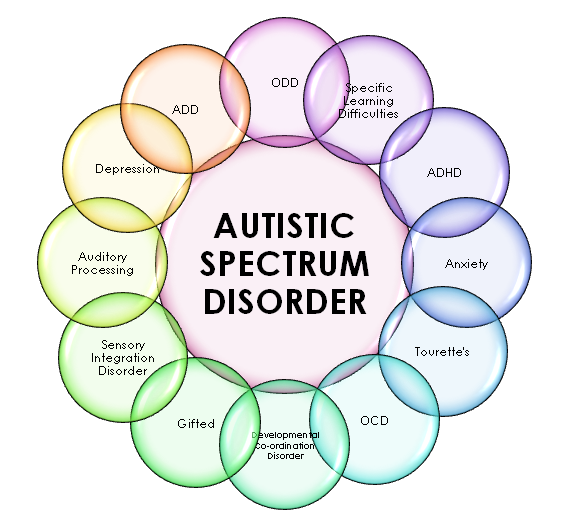
In the intricate landscape of autism spectrum disorder (ASD), parents often find themselves navigating a path illuminated by both challenges and breakthroughs. One observation frequently made is the child’s fascination with certain objects, routines, or sensory experiences. This fixation is not merely a quirk but instead harbors profound neurological and emotional significance. Understanding this phenomenon opens a gateway to developing effective therapeutic strategies within the comfort of the home—strategies that are both accessible and transformative for families on this journey.
Understanding the Root of Fascinations in Autism
Autistic individuals often exhibit intense interests or repetitive behaviors that might seem puzzling to outsiders. These behaviors, far from being random, are in fact adaptive responses to their environment. The fixation on specific topics or objects can serve as a source of stability and comfort amidst the unpredictability they perceive around them. Neuroscientific research underscores that these fixations engage neural circuits associated with reward and motivation, which helps in mitigating anxiety and sensory overload.
For parents, recognizing this deeper layer of fascination is pivotal. It reveals the potential for harnessing these interests as a therapeutic nexus, anchoring learning and social interaction in something meaningful to the child. Consequently, therapy at home transforms from a chore into an opportunity for connection and growth.
Creating a Sensory-Friendly Home Environment
The sensory world of a child with autism can be profoundly different from that of their neurotypical peers. Sensory sensitivities to light, sound, textures, or smells often dictate the child’s comfort and engagement. One of the primary strategies for effective home therapy is to curate an environment that respects these sensitivities while gradually expanding sensory experiences.
Start by observing which stimuli provoke distress and which are soothing. Soft lighting, noise-canceling headphones, or weighted blankets can significantly alleviate sensory overload. Gradually introducing new textures or sounds in controlled doses enriches sensory integration without triggering negative reactions. This methodical approach cultivates a safe space conducive to exploration and learning.

Leveraging Interests to Enhance Learning and Communication
When a child fixates on a subject or object, it can be leveraged as a bridge to teach new skills or enhance communication. This approach, often referred to as “interest-based learning,” emphasizes embedding educational content within the child’s specific fascinations. For example, if a child is deeply interested in trains, incorporating train-themed materials or narratives can improve vocabulary, social skills, and cognitive flexibility.
Using visual aids, such as picture schedules or storyboards, aligned with these interests offers the dual benefit of holding the child’s attention and providing structure. Structured play, a cornerstone of developmental gains, can be infused with the child’s passions, thus fostering intrinsic motivation and reducing resistance to learning.
Implementing Consistent and Positive Behavioral Strategies
Behavioral challenges such as tantrums or repetitive actions often provoke parental frustration. However, these behaviors frequently serve a communicative purpose or reflect unmet sensory or emotional needs. Establishing consistent behavioral strategies within the home setting is essential not only for managing difficult moments but also for promoting autonomy and resilience.
Positive reinforcement, where desired behaviors are rewarded promptly and concretely, encourages repetition of those actions. Techniques such as visual behavior charts or token economies introduce a tangible system that children can comprehend and anticipate. Simultaneously, strategies like antecedent modifications—altering the environment to prevent triggers—are invaluable. For instance, if transitions between activities provoke anxiety, providing clear advance warnings or transitional objects can ease the process.

Incorporating Occupational Therapy Techniques into Daily Routines
Occupational therapy (OT) is integral to many autism interventions, focusing on improving fine motor skills, sensory processing, and daily living tasks. While professional OT sessions are pivotal, parents can apply simplified techniques at home to amplify their effectiveness and consistency.
Engaging children in activities such as threading beads, playing with textured materials, or performing simple household chores nurtures essential skills while embedding therapy in daily life. These activities simultaneously develop coordination, attention, and sensory tolerance.
Moreover, the ritualization of routines itself acts as a therapeutic element. Predictable daily patterns offer a scaffold for the child’s burgeoning independence, reducing anxiety linked to uncertainty. Parents acting as co-therapists, armed with knowledge and patience, can enrich these routines with OT principles that enhance developmental outcomes.
Building Emotional Resilience and Social Connections
Autism therapy at home transcends skill acquisition; it involves nurturing emotional resilience and social connectivity. Many children with autism experience challenges in interpreting emotions, both their own and others’. Therapeutic approaches at home, therefore, include emotion coaching—helping children recognize, name, and regulate feelings.
Using stories, role-play, and emotion cards aligned with a child’s interests can demystify complex social cues. Encouraging peer interactions, even in small, structured settings, builds foundational social skills and a sense of belonging. Parents’ empathic engagement, validating the child’s experiences and emotions, fosters trust and emotional security crucial for therapeutic progress.
Empowering Parents with Knowledge and Support
Parents are the linchpin of effective home autism therapy. Equipped with evidence-based strategies and practical tools, they can cultivate an environment where growth is nurtured daily. Nonetheless, the journey is often fraught with emotional and logistical challenges.
Finding communities—whether local or online—provides vital support networks, sharing insights and encouragement. Professional guidance remains important, whether consulting therapists for tailored advice or accessing educational resources. Investing in one’s own understanding is an act of empowerment that benefits the entire family.
In conclusion, autism therapy at home is an intricate tapestry woven from understanding, patience, and innovative strategies. Recognizing the deeper reasons behind a child’s fascinations enables parents to transform these inclinations into therapeutic tools that drive progress. Through sensory accommodations, interest-based learning, consistent behavioral supports, and integration of occupational therapy techniques, families can create nurturing spaces that foster autonomy, resilience, and joy. Ultimately, the home becomes not only a place of refuge but a powerful arena for meaningful growth and connection.