Imagine a garden where each flower blooms differently—some with vibrant colors, others with unique shapes, but all contributing to a breathtaking landscape. Explaining autism to your child’s siblings is much like nurturing this garden: it requires patience, understanding, and the recognition that every individual’s growth is distinct and beautiful. This conversation, delicate yet transformative, can be the cornerstone of empathy, acceptance, and familial harmony.
The Foundation: Cultivating Empathy Through Storytelling
Before diving into the nuances of autism, it is essential to build a narrative that resonates with your child’s imagination. Children often grasp abstract concepts more readily through stories than through direct explanations. Drawing on metaphors and analogies tailored to their comprehension, likening autism to a different operating system in the brain’s vast computer network can demystify the condition. This comparison imbues the concept with an accessible intrigue—highlighting differences without casting them as deficits.
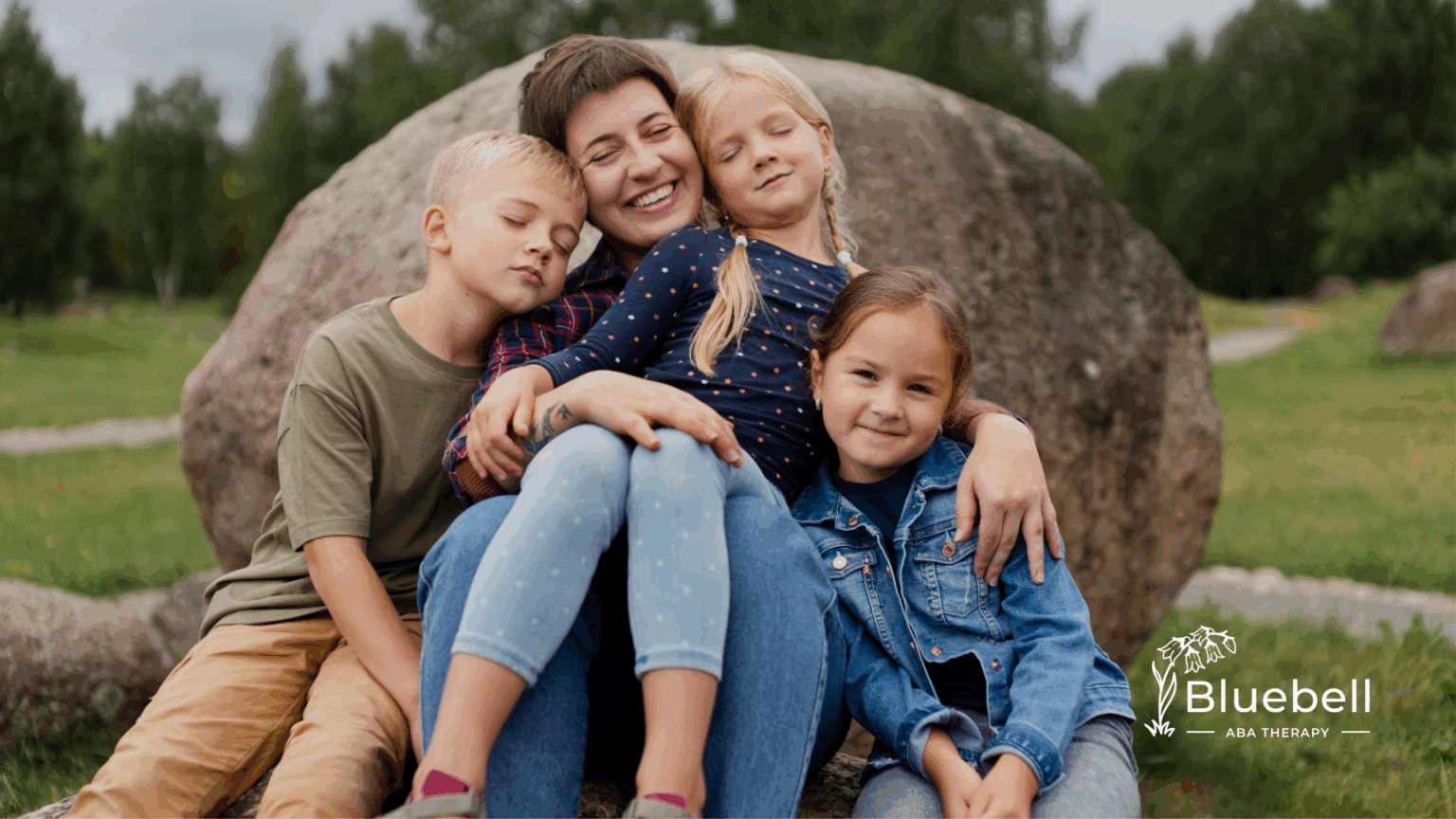
Use stories that emphasize strengths—such as exceptional memory, creativity, or intense focus—that often accompany autism, framing these traits as unique gifts within their sibling’s character bouquet. By positioning autism as part of a rich human diversity tapestry, siblings can begin to see their brother or sister not as “other”, but as an integral and invaluable part of the family unit.
Addressing Emotions: Navigating the Waters of Conflicting Feelings
When confronted with the concept of autism, siblings may experience a tempest of emotions—confusion, jealousy, guilt, or even resentment. It is critical to create a safe harbor where these feelings can surface without judgment. Open dialogues initiated at a child’s level and bolstered by repetitive reassurance foster emotional literacy. Actively listening to their concerns legitimizes their experience and prevents the buildup of unresolved tension.
Encourage siblings to voice their fears or misconceptions. This is an opportunity to dispel myths and to replace trepidation with understanding. Explaining that behavioral differences often stem from communication challenges rather than intentional actions can reframe moments of frustration or misunderstanding.
Demystifying Behavior: The Science Behind Autism
To facilitate comprehension, provide siblings with age-appropriate explanations of the neurological differences that define autism spectrum disorder (ASD). Describe the brain as a complex orchestra where each instrument plays a unique rhythm; in autism, certain patterns harmonize differently, creating distinct modes of interacting with the world.
This biological perspective grounds their understanding in science and reduces potential stigmatization. It helps children appreciate that these behaviors and preferences are part of a natural variation—not something to be “fixed,” but rather embraced with patience and love.
Role Modeling Compassion: Leading by Example
Children are keen observers whose attitudes are often reflections of their caregivers. Modeling kindness and respect towards the sibling with autism teaches more effectively than words alone. Actions—such as patiently waiting for a response, celebrating small achievements, or demonstrating inclusive play—signal unconditional acceptance.
Set clear, consistent boundaries while exemplifying flexibility to accommodate differences. Show siblings that adaptive strategies, like simple instructions or visual aids, are tools to empower rather than barriers. Through this, siblings gain practical skills that foster a supportive family atmosphere.
Creating Shared Experiences: Building Bridges of Connection
Encourage siblings to engage in activities that strengthen bonds and highlight commonalities. Whether it’s music, art, or outdoor play, shared experiences become the fertile ground where empathy flourishes. By focusing on mutual enjoyment rather than differences, siblings learn to appreciate each other’s unique contributions.

Additionally, guiding siblings to become allies nurtures a sense of responsibility and pride in their unique role. Celebrating milestones together, no matter how small, reinforces family cohesion and personal investment in the well-being of the child with autism.
Addressing Practical Challenges: Equipping with Tools and Resources
Providing siblings with practical tools—such as books, age-appropriate videos, and involvement in therapy sessions where appropriate—can empower them with knowledge and confidence. Understanding routines, triggers, and communication preferences lessens unpredictability, reducing anxiety for all parties involved.
It is essential to strike a balance between awareness and burden; siblings should never feel obligated to assume a caretaking role prematurely. Healthy boundaries and acknowledging their individual needs prevent feelings of neglect or overwhelm. Encouraging social outlets and support groups tailored for siblings of children with autism can offer invaluable emotional support.
Fostering a Growth Mindset: Seeing Beyond the Diagnosis
The journey of understanding autism is ongoing, much like tending a garden that continuously evolves through seasons. Reinforcing the idea that everyone has potential to grow nurtures resilience and adaptability. Emphasize the unique talents and evolving abilities of the sibling with autism, celebrating progress rather than perfection.
Help siblings internalize that autism is but one aspect of their brother or sister’s multifaceted identity. This broader perspective fosters inclusivity, patience, and unconditional familial love, imbuing their relationship with depth and richness.
In conclusion, explaining autism to your child’s siblings is not a one-time conversation—it is a nurturing process that blends empathy, education, and emotional support. Like gardeners tending diverse blooms, parents cultivate understanding by fostering open communication, modeling compassion, and celebrating individuality. Through this intricate yet rewarding undertaking, siblings can grow into lifelong advocates and cherished companions, appreciating the remarkable tapestry that their family weaves together.