What if the very environment designed to nurture learning becomes a labyrinth for some students to navigate? The classroom, often envisioned as a bastion of opportunity, can also pose subtle yet significant hurdles for autistic students. These challenges are not born of a lack of capability, but rather of a need for tailored support that acknowledges their distinct ways of perceiving and interacting with the world. The conversation about classroom accommodations for autistic students is not merely about compliance—it’s about fostering equity and unlocking potential.
Understanding the Nuances of Autism in Educational Settings
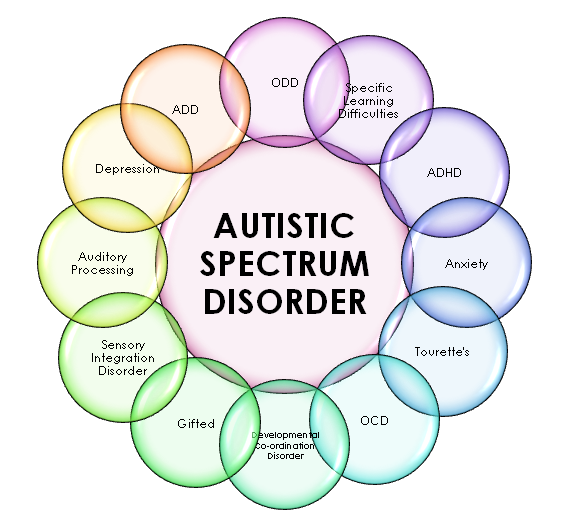
Autism spectrum disorder (ASD) is a multifaceted neurodevelopmental condition, resulting in diverse manifestations in communication, sensory processing, and social interaction. Each autistic student’s needs are unique, underscoring the importance of individualized educational approaches. Recognizing these nuanced experiences forms the bedrock for effective accommodations. For instance, some students might exhibit hypersensitivity to noise or lighting, while others may struggle with transitions or social cues.
Accommodations aim to minimize these barriers without diminishing academic rigor. They create an environment where autistic learners can engage authentically and meaningfully. This philosophy goes beyond one-size-fits-all solutions and champions adaptive strategies that respect the student’s individuality.
Creating Sensory-Friendly Learning Spaces
Sensory overload is one of the most pervasive challenges autistic students face in traditional classrooms. Bright fluorescent lights, cacophonous noises, and bustling corridors can overwhelm their sensory systems, leading to anxiety or shutdowns. Crafting sensory-friendly environments can alleviate these stressors dramatically.
Simple adjustments such as dimmable lighting, noise-canceling headphones, or designated quiet zones offer reprieve and control. Flexible seating options—bean bags, standing desks, or cushioned floor areas—cater to proprioceptive needs and improve focus. Moreover, incorporating visual schedules and clear, predictable routines reduce uncertainty, fostering calm and comprehension.
Tailoring Instructional Methods and Materials
Standardized pedagogy seldom suffices for autistic learners, whose cognitive processing may diverge from neurotypical patterns. Differentiating instruction is paramount. This could entail breaking down tasks into manageable steps, utilizing explicit, concrete language, or employing multisensory teaching techniques that engage visual, auditory, and kinesthetic channels.

Visual supports such as graphic organizers, color-coded materials, and pictorial instructions can scaffold understanding. Technology integration—like speech-to-text software or interactive apps—can also enhance independence and motivation. Importantly, allowing extended time for assignments or tests accommodates processing differences without compromising learning objectives.
Encouraging Social-Emotional Competence Through Supportive Interventions
Social communication is a domain often requiring deliberate accommodation for autistic students. They may find typical social norms perplexing or overwhelming. Facilitating meaningful peer interaction and emotional regulation is critical. Educators can implement structured social skills groups, role-playing scenarios, or use social narratives that elucidate social expectations and cues.
Furthermore, providing access to counseling or therapy services within the educational setting supports emotional well-being. Positive behavior interventions and supports (PBIS) can preempt misunderstandings by reinforcing desired behaviors and swiftly addressing challenges.
Collaboration: The Keystone of Effective Accommodation
An effective accommodation strategy is inherently collaborative. It thrives on the partnership between educators, families, therapists, and most importantly, the students themselves. This coalition ensures that accommodations are responsive and organically integrated rather than static mandates.
Developing Individualized Education Programs (IEPs) or 504 Plans tailored to the student’s current needs requires ongoing dialogue and assessment. Regular monitoring and adaptability are necessary as students grow, learn, and encounter new challenges. Transparency and shared goal-setting empower all stakeholders and ultimately enrich the learner’s experience.
Challenges in Implementation and Overcoming Misconceptions
Despite well-intentioned efforts, several obstacles complicate accommodation delivery. These include insufficient training, resource limitations, or school cultures resistant to change. Equally problematic are pervasive misconceptions—that accommodations provide unfair advantages or diminish expectations. Counteracting these requires education and advocacy grounded in evidence and empathy.
Understanding accommodations as tools to level the playing field rather than as special favors shifts perspectives profoundly. Investing in professional development equips educators with the knowledge and skills to implement accommodations with fidelity and creativity.
Looking Ahead: Fostering Inclusive and Adaptive Educational Landscapes
The ultimate aspiration is a classroom that naturally embraces neurodiversity without necessitating labels or special provisions. While this remains an evolving endeavor, each accommodation plants a seed for greater inclusivity. It cultivates an atmosphere where autistic students not only survive but thrive—exploring their strengths, nurturing their talents, and engaging fully in learning.
In reimagining classrooms as environments of possibility rather than tribulation, educators and communities champion an educational paradigm attuned to all learners’ dignity and potential.
Every student deserves a classroom where their mind can flourish. By acknowledging and addressing the distinct needs of autistic students, education transcends its traditional bounds, becoming a beacon of empowerment and respect.