

Homeschooling an autistic child presents a multifaceted landscape, rich with potential but also strewn with unique challenges. For many families, conventional educational pathways may not fully address the individualized needs of their child. This often propels parents toward embracing homeschooling as a viable alternative, offering an environment tailored to nurture growth in a manner that traditional classrooms may struggle to provide. This article explores the nuanced pros and cons of homeschooling an autistic child, while also delineating valuable resources to support this specialized journey.
Understanding the Benefits of Homeschooling for Autistic Children
One of the most compelling advantages of homeschooling lies in its inherent flexibility. Autistic children often thrive in atmospheres crafted around their distinct sensory sensitivities, pacing, and learning modalities. For example, parents can modify learning schedules to accommodate fluctuations in attention or stress levels without the constraints of rigid school hours. This fosters a learning environment that respects the child’s unique rhythms, which can be obscured in a traditional classroom setting.
Additionally, homeschooling mitigates many social pressures associated with mainstream education. Autistic children may encounter challenges in navigating social dynamics that often prove confusing or overstimulating. At home, social interactions can be orchestrated more deliberately, promoting positive experiences with peers, siblings, and family members without the inherent unpredictability present in large group settings.
Moreover, the curriculum can be highly personalized, leveraging strengths and addressing specific areas needing reinforcement. This targeted approach can expedite mastery of skills that may be overlooked or underserved in conventional schooling scenarios. Parents can incorporate therapeutic techniques and sensory integration strategies seamlessly into daily instruction.

Beyond academics, homeschooling empowers parents to cultivate life skills within contexts that are meaningful to the child. Whether it’s cooking, budgeting, or community engagement, these practical lessons can be infused organically, enhancing the child’s autonomy and confidence.
Considerations and Challenges in Homeschooling Autistic Children
Despite its many merits, homeschooling an autistic child is not devoid of challenges. The responsibility of delivering comprehensive education, accommodating therapies, and providing adequate socialization opportunities can be overwhelming for caregivers who may lack specialized training or support.
The socialization aspect, while customizable, requires intentional planning. Autistic children need structured opportunities to develop interpersonal skills. Without access to peer groups or social learning environments, children may experience isolation or limited social growth, which can inadvertently hinder their long-term development.
Time commitment is another considerable factor. Educating a child at home demands extensive effort from parents, who must juggle roles as instructor, therapist, advocate, and coordinator. This multifaceted responsibility can strain family dynamics and affect overall wellbeing.
Accessing resources such as specialized curricula, assessments, and therapeutic interventions can also present logistical and financial barriers. Families may find themselves navigating a complex web of educational regulations, funding stipulations, and professional expertise to ensure that their child’s educational rights and needs are met.

Furthermore, maintaining consistency and motivation can be challenging. Children with autism often benefit from routine and structure; thus, parents must strike a delicate balance between flexibility and predictability to optimize learning outcomes.
Exploring Varied Educational Approaches within Homeschooling
Homeschooling is not monolithic; it embraces a spectrum of instructional strategies that can be adapted to meet the needs of autistic learners. Eclectic homeschooling, for instance, combines structured methodologies with child-led exploration, allowing parents to cherry-pick techniques suited to their child.
Some families gravitate toward a more classical education model infused with sensory accommodations. Others may adopt Montessori principles emphasizing independence and hands-on learning. Incorporating assistive technologies and visual supports further enriches the educational experience, enabling diverse learning pathways.
This diversity demands that parents remain open to experimentation and ongoing evaluation. Collaborations with educational consultants or autism specialists can provide crucial insights and prevent stagnation.
Essential Resources to Support Homeschooling Autistic Children
The homeschooling journey, while rewarding, hinges on the accessibility of outstanding resources. Comprehensive guides on curriculum design, behavioral strategies, and therapeutic activities are invaluable to parents embarking on this path. There is a thriving community of homeschoolers and online forums dedicated to sharing expertise and experiences, fostering a network of support.
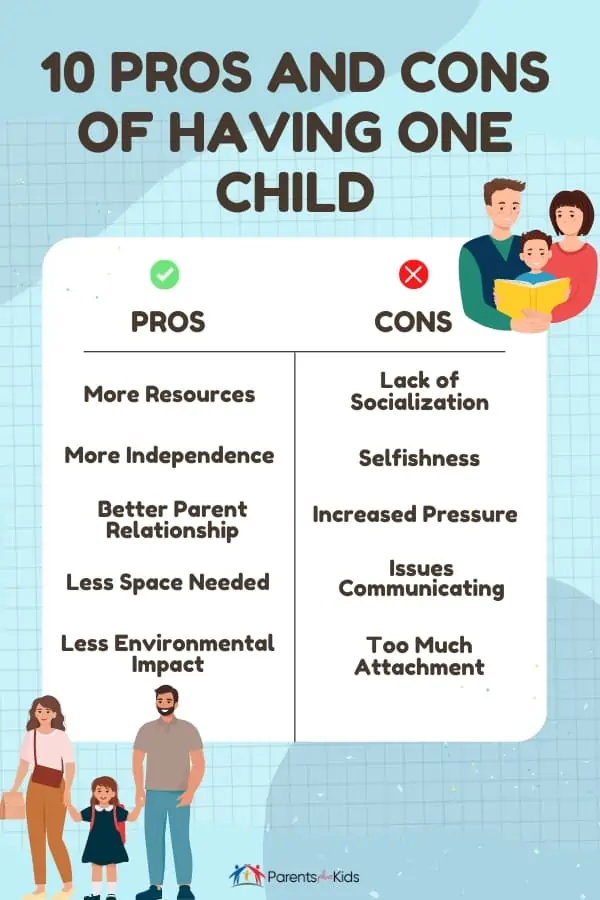
Certain platforms offer indepth infographics and visual aids that distill complex information into digestible formats, aiding parents in decision-making processes. For instance, resources delineating the pros and cons of single-child households can provide context for family dynamics often relevant to homeschooling considerations.
Additionally, local and national organizations advocating for autistic individuals often extend educational workshops, tutoring services, and therapeutic consultations tailored to homeschooling families. Specialized literature on sensory regulation, executive function coaching, and social skills development further equips parents with crucial tools.
Finally, legal resources and state-specific homeschooling laws ensure that families remain compliant and secure access to necessary accommodations. Liaison with educational therapists can bridge the gap between home instruction and formal educational assessments, ensuring continual progress and goal adjustment.
Conclusion: Crafting a Positive and Adaptive Educational Experience
Choosing to homeschool an autistic child demands deliberation, resilience, and compassion. The ability to create an environment attuned to the child’s individual needs can transform educational experiences from a source of anxiety into a landscape of empowerment. Yet, this avenue also requires profound awareness of potential pitfalls and proactive utilization of resources.
Ultimately, homeschooling can be a profoundly enriching choice, providing flexibility, customization, and a nurturing atmosphere that champions the child’s unique trajectory. Through informed strategies and community support, parents can build an educational framework that not only imparts knowledge but fosters holistic growth and well-being.












