Have you ever wondered what it truly takes for autistic students to not just exist but flourish within the bustling environment of mainstream schools? It’s a question that unravels a labyrinth of challenges and opportunities. Mainstream education promises integration and inclusivity, yet the journey for many autistic learners is strewn with obstacles, from sensory overload to social misinterpretations. Addressing these intricacies with deliberate strategies can transform potential barriers into bridges of growth and achievement.
Understanding the Neurodiverse Landscape
Beneath the surface of typical classroom activity exists a diverse array of cognitive and sensory experiences. Autistic students often navigate the educational world with unique perceptions and learning modalities. It’s a landscape defined by neurological variability rather than deficit. This distinction is paramount; recognizing neurodiversity fosters an environment where individual differences are celebrated as strengths rather than deficits to be remedied. Educators and administrators must cultivate a culture of empathy—a culture where the atypical becomes a vantage point for innovation in teaching and collaboration.

Architecting the Sensory Environment
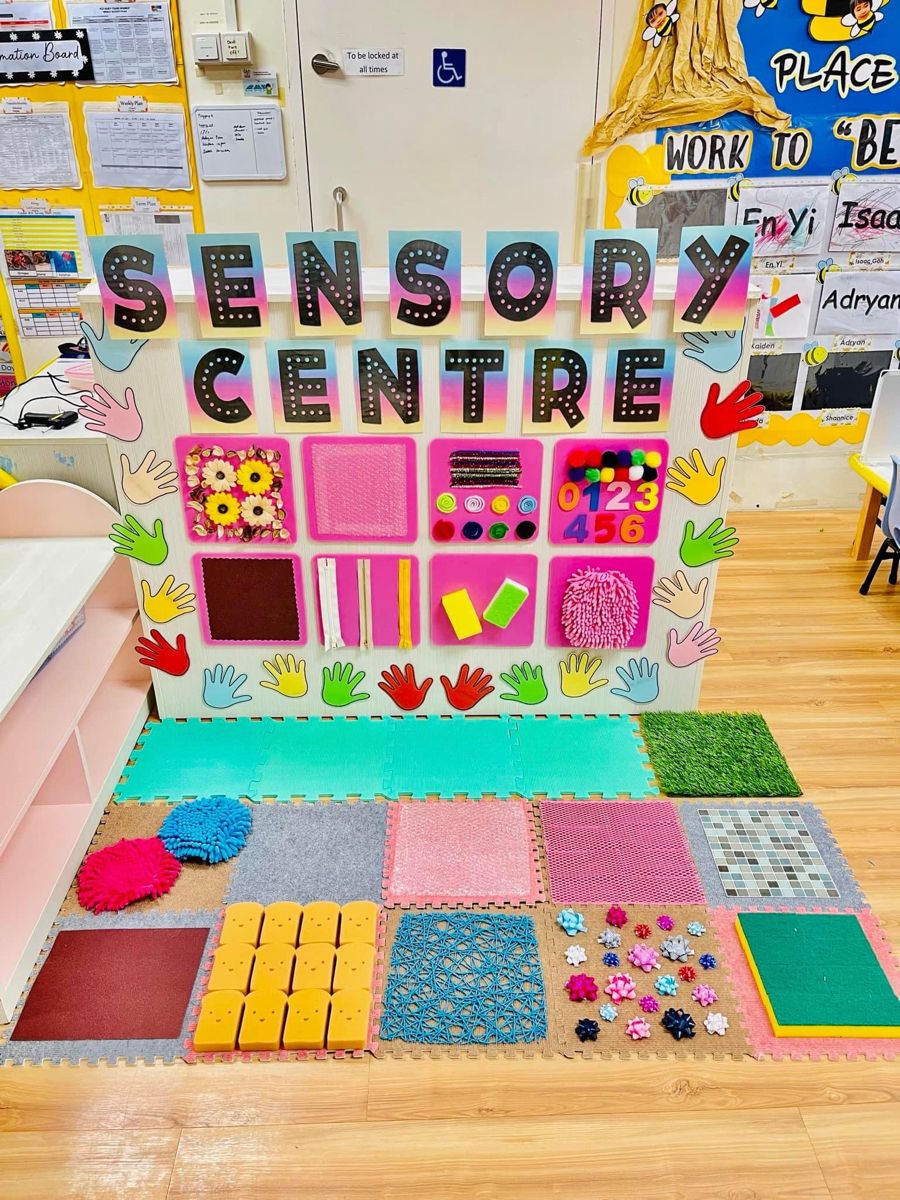
One of the most formidable challenges for autistic students in mainstream schools stems from sensory processing sensitivities. The hum of fluorescent lights, the clatter of lockers, or the cacophony of recess—all can culminate into sensory overload. Thoughtful classroom design is crucial. Incorporating quiet zones, adjustable lighting, and reduced noise distractions creates havens of calm amid chaos. Moreover, flexible seating arrangements and the allowance for movement breaks empower students to manage their sensory needs proactively, cultivating self-regulation and focus.
Personalized Pedagogy: Tailoring Learning Approaches
The one-size-fits-all approach to education falters when confronted with neurodivergent learners. Personalized pedagogy, grounded in thorough assessment and continuous feedback, enables the adaptation of teaching methods to each student’s strengths and challenges. Visual supports, explicit instructions, and multisensory materials can enhance comprehension and retention for autistic students. Equally vital is the pacing of lessons—acknowledging that some students may require more time or alternative strategies to master concepts without undue pressure.

Championing Social Inclusion
Social integration remains a nuanced challenge. Autistic students often face difficulties with peer interaction, interpreting social cues, and managing the fluid dynamics of friendships. Schools must proactively facilitate social inclusion by fostering peer education programs that nurture empathy and understanding among all students. Structured social skills groups and buddy systems can provide safe spaces for autistic learners to practice interaction in real-time, supported scenarios. Celebrating diverse communication styles dismantles stigma and facilitates authentic connections.
Empowering Transition Pathways
The shift from one educational phase to another—such as from primary to secondary school—can be particularly turbulent. This transition often requires navigating new environments, expectations, and social circles. Preparing autistic students for these changes involves creating detailed transition plans, including visits to the new setting, meetings with future teachers, and familiarization with daily routines. Collaborating with families to share insights about the student’s strengths, anxieties, and triggers enriches this process, fostering continuity and confidence.

Collaborative Partnerships: Families and Educators
Education does not occur in isolation. The synergy between families, educators, and specialists is instrumental in crafting coherent support frameworks. Open, ongoing communication nurtures trust and ensures that strategies remain adaptive and effective. Parents serve as vital allies, offering insight into each student’s preferences and challenges outside of school. Equally, professional development for educators on autism awareness and intervention techniques enriches the collective capability to meet diverse needs with precision and compassion.
Leveraging Technology as a Catalyst
Technological tools offer promising avenues for enhancing learning and communication. From speech-to-text applications to interactive software tailored for sensory regulation, technology can bridge gaps in understanding and expression. When chosen and deployed thoughtfully, these resources empower autistic students to engage with curriculum content at their own pace and style. Importantly, technology facilitates autonomy, enabling learners to navigate academic tasks while minimizing dependence on adult mediation.
Conclusion: Cultivating Flourishing Futures
Helping autistic students thrive in mainstream schools is an intricate endeavor embedded in respect, innovation, and unwavering commitment. It challenges educators and communities to rethink conventional paradigms and embrace the rich tapestry of human neurodiversity. Through understanding, sensory adaptations, personalized pedagogy, social integration, smooth transitions, collaborative partnerships, and technological supports, mainstream education can evolve into a fertile ground for all learners to excel. The ultimate reward lies not in mere accommodation but in the genuine blossoming of every autistic student’s potential—transforming challenges into avenues of achievement and self-discovery.