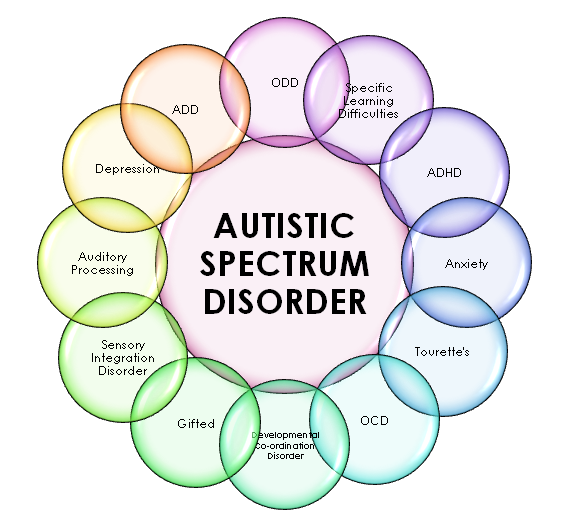
The human mind is often likened to an intricate labyrinth—complex, mysterious, and at times, perplexing. For many adults diagnosed late with autism, this metaphorical maze has been their silent companion, weaving secrets into the fabric of their lives for decades. A late diagnosis is not merely a clinical label; it is the unlocking of hidden corridors, illuminating pathways of self-awareness and acceptance that were once shrouded in fog. Unraveling these stories reveals a deeply human narrative, one marked by resilience, revelation, and a profound shift in understanding the self.
The Invisible Thread: Why Autism Remains Undiagnosed in Adulthood
Autism, often portrayed through the lens of childhood recognition, can elude diagnosis until adulthood. Society’s historical focus on early identification has rendered many adults invisible within diagnostic frameworks. Some adults have navigated life with subtle expressions of their neurodivergence camouflaged amidst the rhythm of neurotypical interactions. This invisibility cloak, woven from social norms and internalized misconceptions, delays their recognition.
Factors contributing to late diagnosis range from gender biases in autism presentation to the evolving criteria that have broadened the spectrum. Many adults have developed intricate coping mechanisms—an internal dance of masking that hides genuine challenges from even close acquaintances. Consequently, the thread of autism remains concealed, influencing behavior and emotional well-being in ways neither fully understood nor acknowledged until later in life.

Echoes in the Mind: Personal Stories of Discovery and Acceptance
For many receiving a late autism diagnosis, the event reverberates like an echo in a vast canyon—sudden, powerful, and profoundly transformative. These stories often share a common theme: a lifelong sense of being ‘different’ without understanding why.
Some individuals describe a moment of clarity, where years of internal dissonance suddenly congeal into a coherent narrative. Others encounter a complex emotional palette—a mixture of relief, grief, and bewilderment. Finally, there is the arduous journey from denial to acceptance, as individuals reconcile their past self-perceptions with this new understanding.
This process can be likened to a chrysalis breaking open, revealing a vibrant butterfly that had been concealed within. The newfound knowledge does not erase past struggles but recontextualizes them, providing a lens of compassion and insight.

Shifting Paradigms: The Psychological Impact of Late Diagnosis
The psychological landscape of adults diagnosed with autism later in life is often tumultuous. Previously unexplained social difficulties, sensory sensitivities, or relational challenges suddenly acquire meaning and validation. This understanding can dismantle a lifetime of self-doubt and internalized stigma, but it can also catalyze complex emotions such as grief over lost time and anxiety about the future.
Clinical research suggests that late diagnosis may trigger a profound identity shift. It invites individuals to rebuild their self-concept, integrating their autistic traits into a cohesive narrative. For some, this integration fosters empowerment, fostering a newfound advocacy for self-care and neurodiversity. For others, it may require therapeutic support to navigate complicated feelings tied to late recognition.
Bridges Toward Empowerment: Support and Resources Post-Diagnosis
Receiving a diagnosis opens doors to communities and resources tailored to adults with autism. This phase parallels crossing a bridge into a vibrant realm where understanding and acceptance flourish. Peer support groups, specialized therapy, and educational opportunities offer tools to bolster self-advocacy and enhance quality of life.
Moreover, increased awareness of executive functioning challenges and sensory processing differences guides individuals toward adaptations that ease daily living. These interventions might include strategies like sensory-friendly environments or communication techniques attuned to individual needs.
Such support systems not only nurture personal growth but also challenge societal misconceptions, fostering inclusivity and dignity.
Autism as a Spectrum of Strengths: Embracing Neurodiversity
Late diagnosis often shifts perspectives away from a deficit-based model toward recognizing autism as a distinct but equally valid way of experiencing the world. This reframing celebrates unique cognitive patterns, creativity, attention to detail, and passionate interests as valuable facets of identity.
Many adults find solace in embracing neurodiversity—a paradigm that prizes difference rather than pathology. This embrace transforms not only personal narratives but also cultural attitudes, encouraging respect for cognitive variation in workplaces, families, and communities.
The Path Forward: Continuous Discovery and Advocacy
The journey following a late autism diagnosis is seldom linear; it is a continuous process of discovery and self-understanding. Every individual’s experience is an evolving mosaic of insights and adaptations.
As awareness of adult autism grows, so too does the imperative to create diagnostic tools and support structures that reflect the diverse presentations across the lifespan. Advocacy efforts emphasize not just acceptance but equitable access to resources, employment opportunities, and social participation.
In this light, late diagnosis is not an end but an invitation—a gateway to authenticity, connection, and empowerment.
In the labyrinth of life, a late autism diagnosis lights the path through hidden corridors, offering clarity where there was once confusion. It transforms isolation into community, uncertainty into understanding, and mystery into meaningful self-awareness. Each story of discovery echoes a universal human truth: the profound desire to be seen, understood, and embraced in one’s entirety.