Life’s journey resembles a vast, intricate tapestry woven from countless threads of experience, perception, and aspiration. For individuals on the autism spectrum, this tapestry conveys a narrative both complex and uniquely resplendent. When it comes to career choices, understanding and embracing one’s inherent strengths is akin to discovering a hidden compass—one that points unwaveringly toward fulfillment and success. The art of “playing to your strengths” becomes not just a strategy but a lifeline, transforming potential obstacles into stepping stones along a path uniquely suited to each individual.
The Prism of Strengths: Illuminating Career Paths
Autism is often typified by a spectrum of characteristics that manifest in diverse ways—attention to detail, deep focus, pattern recognition, and a penchant for routine, among others. These attributes act as facets of a prism, refracting professional possibilities into distinct and vivid spectrums of opportunity. The challenge lies not in combating presumed deficiencies but in magnifying these multifaceted qualities to thrive within a tailored vocational landscape.
For example, an individual with exceptional pattern recognition abilities might excel in data analysis, cryptography, or software development—fields where deciphering complexity is paramount. Others may possess prodigious memory or a steadfast dedication to precision, making roles in research, quality control, or accounting naturally compelling. By examining these intrinsic strengths, it becomes evident how such careers can harness rather than hinder an autistic individual’s potential.

Hyperfocus as a Double-Edged Sword
One of the more fascinating and enigmatic attributes of many autistic individuals is hyperfocus—a profound, laser-sharp concentration on tasks, often to the exclusion of external stimuli. This cognitive immersion can catalyze extraordinary productivity and mastery, turning hours of work into polished creations or intricate problem-solving feats.
However, this phenomenon is double-edged. Hyperfocus can make balancing broad job requirements challenging, especially in dynamic or socially demanding environments. Successful career navigation involves channeling hyperfocus into roles that are structured yet expansive enough to reward deep expertise without overwhelming social complexities.
Industries that nurture specialization—such as technology, academia, and the arts—welcome this intensity. Programs and employers that foster flexibility allow autistic professionals to flourish by providing environments conducive to sustained concentration and creativity.
Social Navigation: Reframing Communication Dynamics
Communication in the workplace often carries as much weight as technical skill. For autistic individuals, nuanced social interactions may require conscious navigation and adaptation. This is not a deficit but a variation in social processing that can be reframed as an alternative viewpoint—an invaluable asset in any multidisciplinary team.
Career paths with clearly defined communication protocols or opportunities for written or asynchronous exchanges can alleviate stress while enhancing efficacy. For instance, roles in writing, editing, programming, or laboratory research often emphasize output clarity over spontaneous social interaction.
Beyond role selection, embracing assistive technologies and social skills coaching can empower individuals to engage confidently within their professional milieu. Employers attuned to neurodiversity benefit greatly by cultivating inclusive cultures that celebrate diverse communicative styles.
The Spectrum of Work Environments: Tailoring Conditions for Success
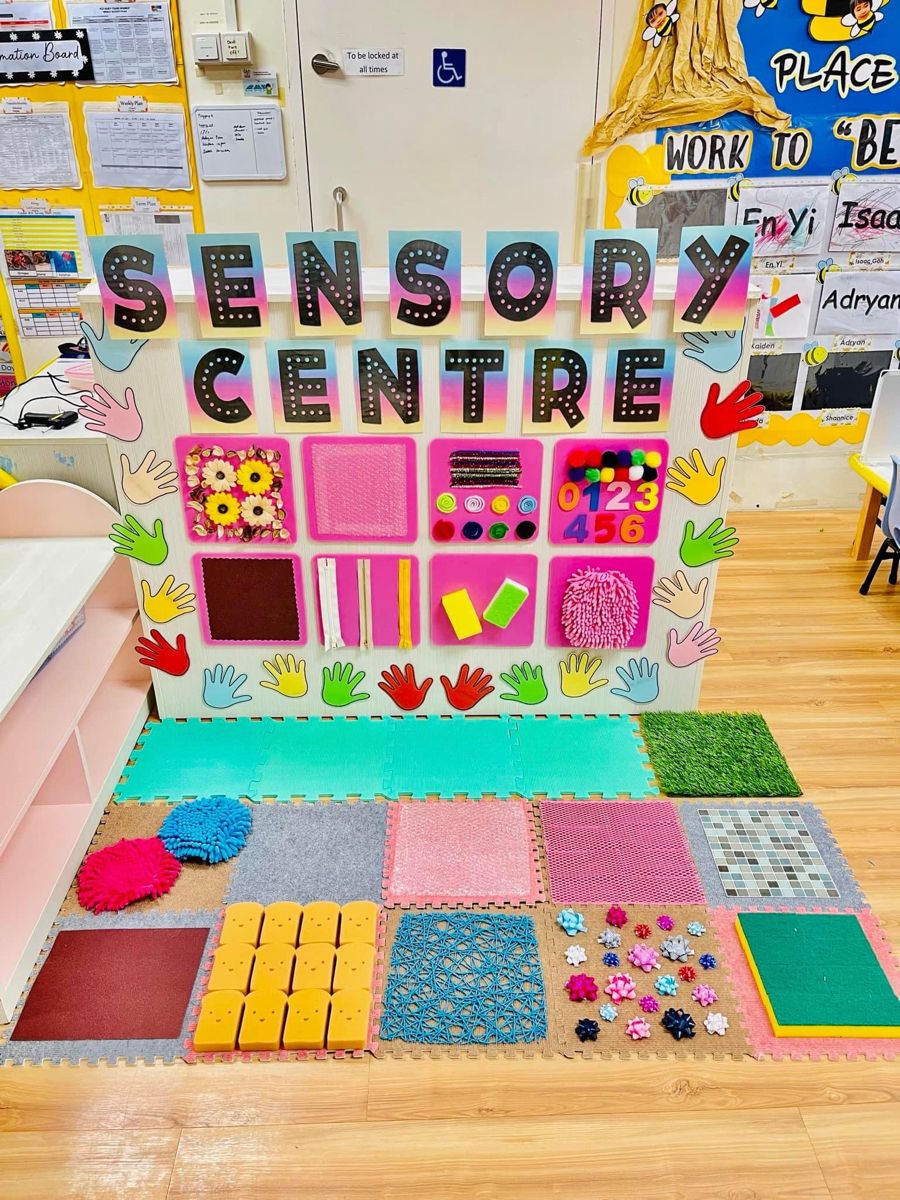
The physical and sensory environment exerts profound influence on workplace productivity and comfort. For neurodivergent individuals, what may seem incidental—lighting, sound levels, workspace layout—can be pivotal in fostering focus and minimizing sensory overload.
Careers that afford autonomy over work environments or the option for remote work can mitigate these challenges. Remote or hybrid work models, increasingly prevalent, present fertile ground for those whose sensory needs deviate from conventional office setups.
Simultaneously, organizations that architect workplaces cognizant of sensory inclusivity—quiet zones, alternative lighting, and flexible schedules—position themselves at the vanguard of workplace innovation. These considerations transform mere accommodations into enablers of peak performance.
Intrinsic Motivation: The Engine of Enduring Engagement
Autonomy and deep personal interest often serve as potent motivators for autistic individuals. When careers align with authentic passions, work transcends obligation—it becomes a realm of exploration and fulfillment. Playing to one’s strengths is inextricably linked with seeking roles that resonate with intrinsic motivation.
Whether it is a fervor for coding intricate systems, a passion for meticulous craftwork, or the dedication to scholarly pursuits, motivation fuels perseverance and innovation. Identifying these motivational vectors early and fostering them within career frameworks lessens burnout risk and enhances satisfaction.
Coherent career planning incorporates this awareness, integrating opportunities for continuous learning and mastery that sustain engagement over time.
The Role of Mentorship and Support Networks
No career journey unfolds in isolation. For autistic individuals, tailored mentorship programs and supportive networks provide critical scaffolding. Such relationships offer guidance in navigating workplace culture, honing interpersonal skills, and identifying growth opportunities.
Mentors adept in fostering neurodiverse talent can demystify organizational norms, advocate for reasonable accommodations, and celebrate achievements. This symbiosis nurtures confidence, reshaping challenges into developmental milestones.
Strong support networks—whether formal through professional groups, or informal via family and friends—fortify resilience and enrich the professional experience.
Conclusion: Crafting Careers as Unique Masterpieces
Envision career development for autistic individuals not as a one-size-fits-all blueprint but as a bespoke masterpiece—rich in texture, nuance, and individuality. The transformative power lies in recognizing and embracing strengths as cardinal beacons guiding the path forward.
Playing to one’s strengths transcends vocational success. It encourages a profound harmony between identity and work, fostering environments where neurodivergence is not merely accommodated but celebrated with reverence. This paradigm shift from deficit-focused frameworks to strengths-based empowerment unlocks a world of possibility where each thread in the tapestry of life shines with its own iridescent brilliance.