Autism Spectrum Disorder (ASD) and Attention Deficit Hyperactivity Disorder (ADHD) are two neurodevelopmental conditions that frequently captivate the attention of clinicians, educators, and families alike. Their co-occurrence and overlapping characteristics often provoke a nuanced conversation, which extends beyond mere diagnostic categorization into understanding the profound intricacies within human cognition and behavior. This enduring fascination arises from the challenge of distinguishing their unique profiles while appreciating the complex interplay between sensory, attentional, and social dimensions. Exploring the subtleties in their overlaps and differences not only provides clarity but deepens our appreciation for the spectrum of neurodiversity.
Definitional Boundaries: Setting the Stage
At the foundation lies the essential task of delineating Autism and ADHD through precise clinical constructs. Autism Spectrum Disorder is primarily characterized by persistent deficits in social communication and interaction, accompanied by restricted, repetitive patterns of behavior, interests, or activities. In contrast, ADHD is predominantly defined by a pervasive pattern of inattention and/or hyperactivity-impulsivity that interferes with functioning or development.
While these definitions offer clarity, the challenge emerges when manifestations in one disorder appear strikingly similar to symptoms in the other. For example, the difficulties with sustained attention often observed in individuals with autism may mimic inattentive symptoms typical of ADHD. Yet, within these apparent overlaps, the underlying cognitive architectures can differ substantially, revealing a tapestry of divergent neurobiological underpinnings.
Syndromic Overlaps: Where Autism and ADHD Converge
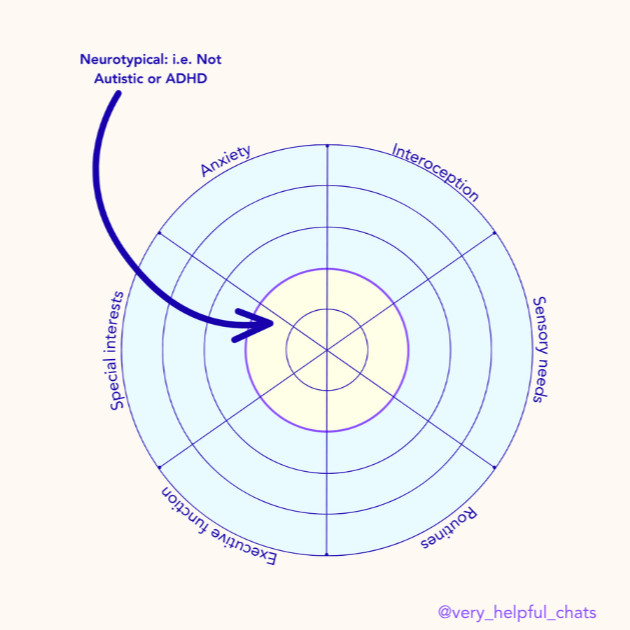
The co-diagnosis of autism and ADHD is increasingly documented, with research estimating that up to half of individuals diagnosed with ASD also exhibit significant ADHD symptomatology. This concurrency leads to a great deal of clinical overlap, especially in domains involving executive dysfunction. Both conditions commonly manifest impairments in working memory, cognitive flexibility, and inhibitory control.
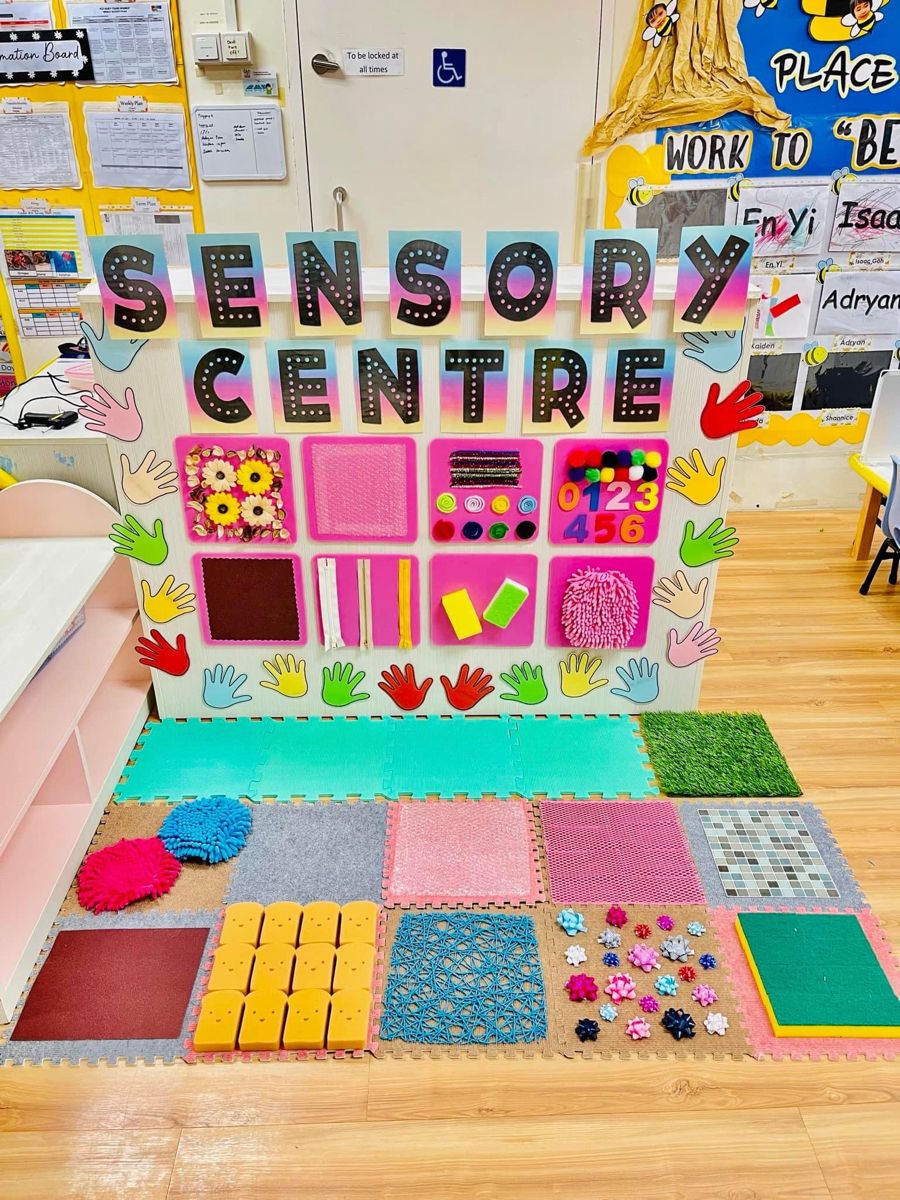
Moreover, sensory processing anomalies are often shared features. Many individuals with ADHD experience heightened sensory sensitivity or seeking behaviors, paralleling those traditionally associated with autism. This sensory dysregulation contributes to attentional fluctuations and emotional reactivity, blurring diagnostic boundaries further. Notably, these overlapping phenotypes may result from shared genetic architectures and neurodevelopmental pathways, an area of growing scientific inquiry.
Distinctive Features: Parsing the Nuances
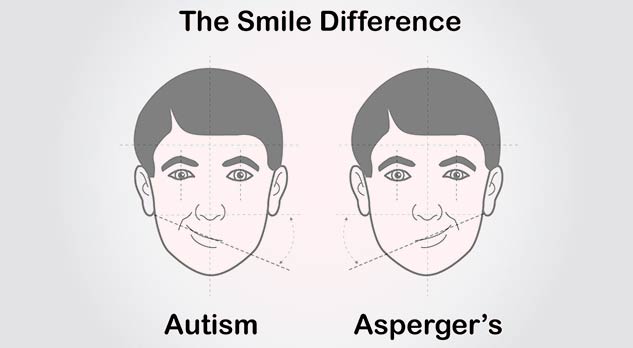
Despite these intersections, key distinctions endure. Autism’s hallmark revolves around social communication. Individuals with autism typically exhibit difficulties in interpreting social cues, establishing reciprocal social interactions, and adapting to social norms. This contrasts with ADHD, where social challenges are generally secondary, arising more from impulsivity and inattentiveness than from intrinsic deficits in social cognition.
Another divergence rests in the nature of repetitive behaviors and restricted interests seen in autism. These patterns are often rigid, ritualistic, and intensely fixated, serving as both a source of comfort and potential distress when disrupted. In ADHD, hyperactivity and impulsivity tend to manifest as a restless, externally directed energy rather than the internally focused repetitive behaviors characteristic of ASD.

Neurobiological Correlates: Divergence in the Brain
Understanding the distinct and overlapping neurobiology sheds light on why these conditions can appear deceptively similar. Autism is marked by atypical connectivity patterns in social brain networks, such as the amygdala, superior temporal sulcus, and medial prefrontal cortex, underpinning social and communicative difficulties. Structural and functional brain imaging often reveals early developmental trajectories unique to ASD.
Conversely, ADHD involves alterations in frontostriatal circuits that regulate attention, inhibitory control, and motor activity. The dopamine neurotransmitter system plays a central role in its pathophysiology. While some neuroanatomical findings overlap, for instance in the prefrontal cortex, the dysregulated pathways distinctly influence behavioral phenotypes, helping clinicians tailor interventions more effectively.
Impact on Daily Life: Functional Implications
Both autism and ADHD profoundly influence education, employment, and interpersonal relationships, but their impacts manifest through different mechanisms. The social reciprocity deficits and need for environmental predictability in autism may necessitate structured environments and specialized social skills training. Sensory sensitivities can further complicate routine functioning.
In ADHD, challenges predominantly arise from difficulties with sustained attention, organizational skills, and impulse control. These challenges may produce inconsistent academic performance and difficulties with time management, often requiring behavioral interventions and, in many cases, pharmacotherapy to mitigate symptoms.
Intervention Strategies: Tailoring Approaches Amid Overlaps
When autism and ADHD co-exist, treatment paradigms require careful calibration. Behavioral therapies focusing on social communication and adaptive skills remain foundational for autism. Simultaneously, ADHD symptoms might benefit from stimulant medications and cognitive-behavioral strategies enhancing executive function.
Early identification of the dual diagnosis can optimize outcomes by integrating multifaceted supports. For instance, occupational therapy addressing sensory modulation can benefit both neurodevelopmental profiles. Psychoeducation tailored to families fosters understanding of neurodiversity and equips caregivers to navigate complex behavioral presentations adeptly.

Societal Perspectives and the Neurodiversity Movement
The societal understanding of autism and ADHD is evolving, influenced by the burgeoning neurodiversity movement, which advocates reframing these conditions as part of human variation rather than deficits. This paradigm shift encourages embracing different cognitive and behavioral styles, promoting inclusion and dismantling stigma.
The overlaps between Autism and ADHD spotlight the spectrum of neurological profiles, urging a holistic appreciation that transcends binary categorizations. The fascination they inspire may ultimately reflect a deeper curiosity about the diverse ways brains can be wired and the vast potential within this diversity.
In conclusion, Autism Spectrum Disorder and Attention Deficit Hyperactivity Disorder share a complex relationship marked by overlapping symptoms, shared neurobiological substrates, and distinct clinical presentations. Parsing these subtleties enhances diagnostic precision, enriches understanding, and informs individualized interventions. Through this exploration, the harmonious coexistence of difference and similarity unfolds, revealing profound insights into the human mind’s multifaceted nature.