

Can trauma recovery be fully understood without considering the unique nuances of autism? This provocative question invites us to explore a complex intersection—where neurological diversity meets psychological resilience. Autism and trauma, independently robust fields of study, intertwine in ways that challenge conventional therapeutic paradigms and necessitate innovative approaches to healing.
The Intricacies of Autism and Its Relationship with Trauma
Autism spectrum disorder (ASD) is characterized by nuanced neurological differences affecting communication, social interaction, and behavior patterns. While not inherently linked to trauma, individuals with autism often encounter traumatic experiences that are unique in nature and impact. Sensory sensitivities, social misunderstandings, and a heightened need for routine can amplify responses to distressing events, making trauma recovery less linear.
Trauma in autistic individuals may manifest differently—behavioral regressions, heightened anxiety, or challenges in emotional expression. This divergence from neurotypical trauma responses complicates recognition and diagnosis, thereby posing an initial barrier in providing effective support. Understanding these intricacies is a prerequisite to crafting sensitive, individualized recovery pathways.

Challenges in Recognizing Trauma Symptoms within the Autism Community
Detecting trauma in autistic individuals is akin to deciphering a complex code. Traditional symptom markers such as flashbacks, avoidance behaviors, or hypervigilance can be overshadowed by autism-related behaviors. For example, repetitive movements or social withdrawal may already be baseline expressions, complicating differentiation.
Compounding this complexity, communication barriers and alexithymia—a difficulty in identifying and expressing emotions frequently reported in autism—can obscure self-reporting of traumatic experiences. Caregivers and clinicians must employ astute observation and nuanced screening tools to uncover underlying trauma without conflating it with autism traits.
Therapeutic Modalities Tailored for Autism and Trauma Recovery
Traditional trauma therapies, such as cognitive-behavioral therapy (CBT), while effective broadly, often require adaptation to suit autistic individuals. Somatic therapies, which emphasize bodily experiences and sensations, are gaining traction as they bypass some limitations tied to verbal expression. This modality can facilitate accessing and processing trauma through nonverbal cues, helping reconnect mind and body disrupted by traumatization.
Integrating sensory integration techniques can alleviate overstimulation that often exacerbates trauma symptoms. Moreover, intervention frameworks that prioritize predictability, routine, and personalized pacing reduce inadvertent retraumatization. Trauma-informed autism therapy embraces flexibility, fostering safe environments where healing unfolds gradually.
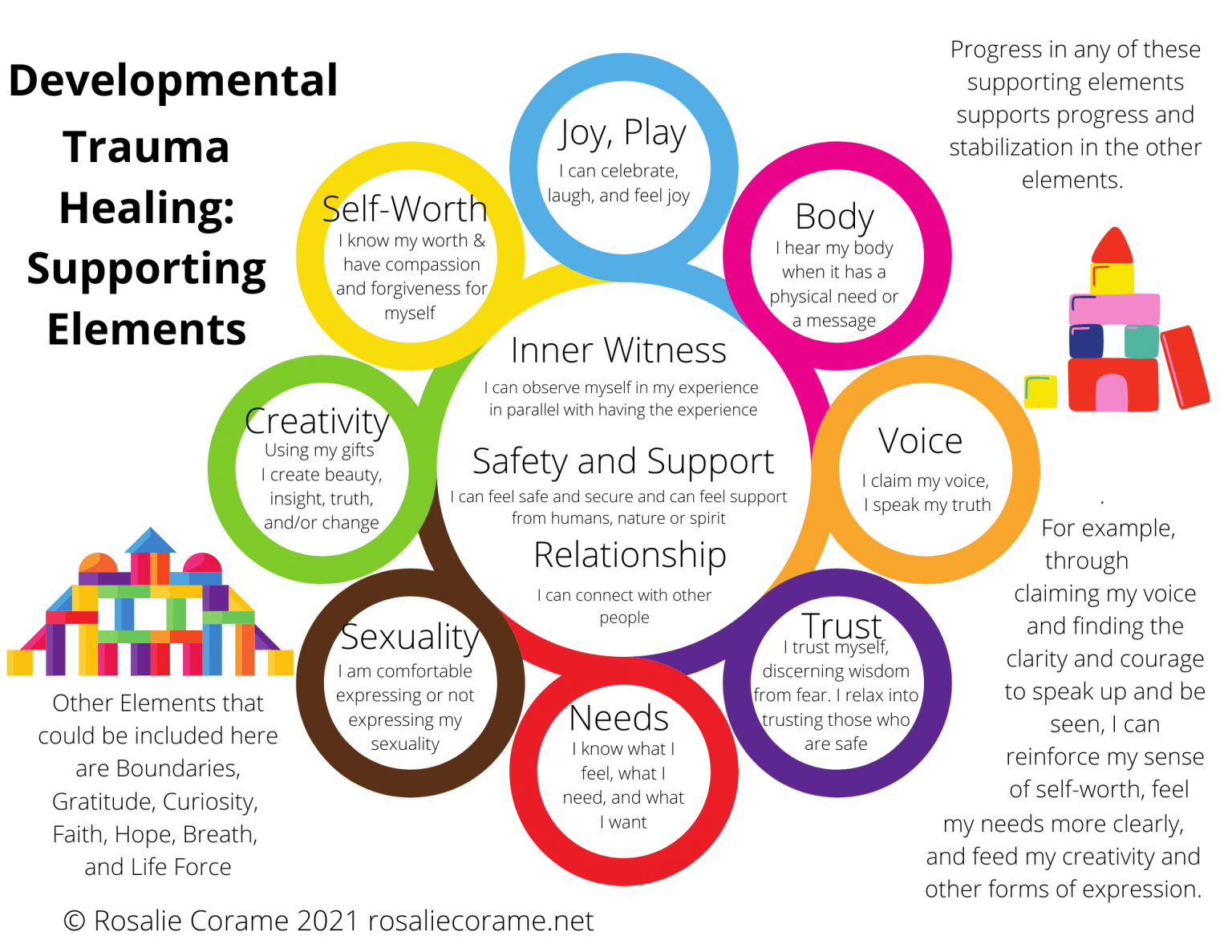
Community and Support Networks: Pillars of Resilience
Healing cannot be isolated from the social context. Individuals with autism benefit immensely from support systems attuned to their sensory and communication needs. Family, peers, and specialized support groups create buffers against retraumatization and encourage empowerment.
These networks also serve as vital conduits for social learning, providing scaffolding to develop coping mechanisms and improve emotional regulation. Collaboration among caregivers, therapists, educators, and the individual ensures a holistic and unified approach, which is paramount in fostering long-term recovery and well-being.
Future Directions: Research and Advocacy
The evolving understanding of autism and trauma highlights profound gaps in research and service provision. Emerging studies emphasize the need for standardized diagnostic criteria that account for autism-specific trauma responses. Simultaneously, advocacy efforts focus on improving accessibility to culturally competent and neurodiverse-friendly trauma services.
Innovations such as virtual reality exposure therapy adapted for sensory sensitivities and AI-driven personalized support tools herald promising advances. At the systemic level, policies encouraging interdisciplinary collaboration and increased funding for autism trauma recovery programs will cement progress.

In contemplating the crossroads of autism and trauma, it becomes clear that healing demands more than conventional remedies—it requires a compassionate recalibration of our perspectives and interventions. The challenge lies not just in recovery from trauma, but in celebrating neurodiversity while nurturing resilience. The path is complex, often nonlinear, yet eminently hopeful. As research deepens and awareness spreads, so too does the promise of recovery that honors every unique journey.












