In the ever-evolving landscape of autism discourse and awareness, podcasts have emerged as vibrant platforms that effortlessly bridge education, advocacy, and personal narrative. As we look toward 2026, the variety and depth of autism-centric podcasts have expanded exponentially, offering listeners an enriched reservoir of knowledge and empathetic storytelling. These auditory experiences serve not only as repositories of information but also as galvanizing forces that foster inclusivity and understanding within society. The following exploration delves into some of the paramount autism podcasts to journey through this year, highlighting the distinctive types of content they present and the transformative impact they have on their audiences.
Illuminating Personal Narratives and Autistic Voices
Podcasts that center personal stories undeniably possess a unique potency in humanizing the autism experience. These programs often feature individuals on the spectrum recounting their triumphs, challenges, and day-to-day realities. By shifting away from clinical paradigms, these narratives provide invaluable insight into the heterogeneity of autism, emphasizing the diversity of perception, communication, and interaction.
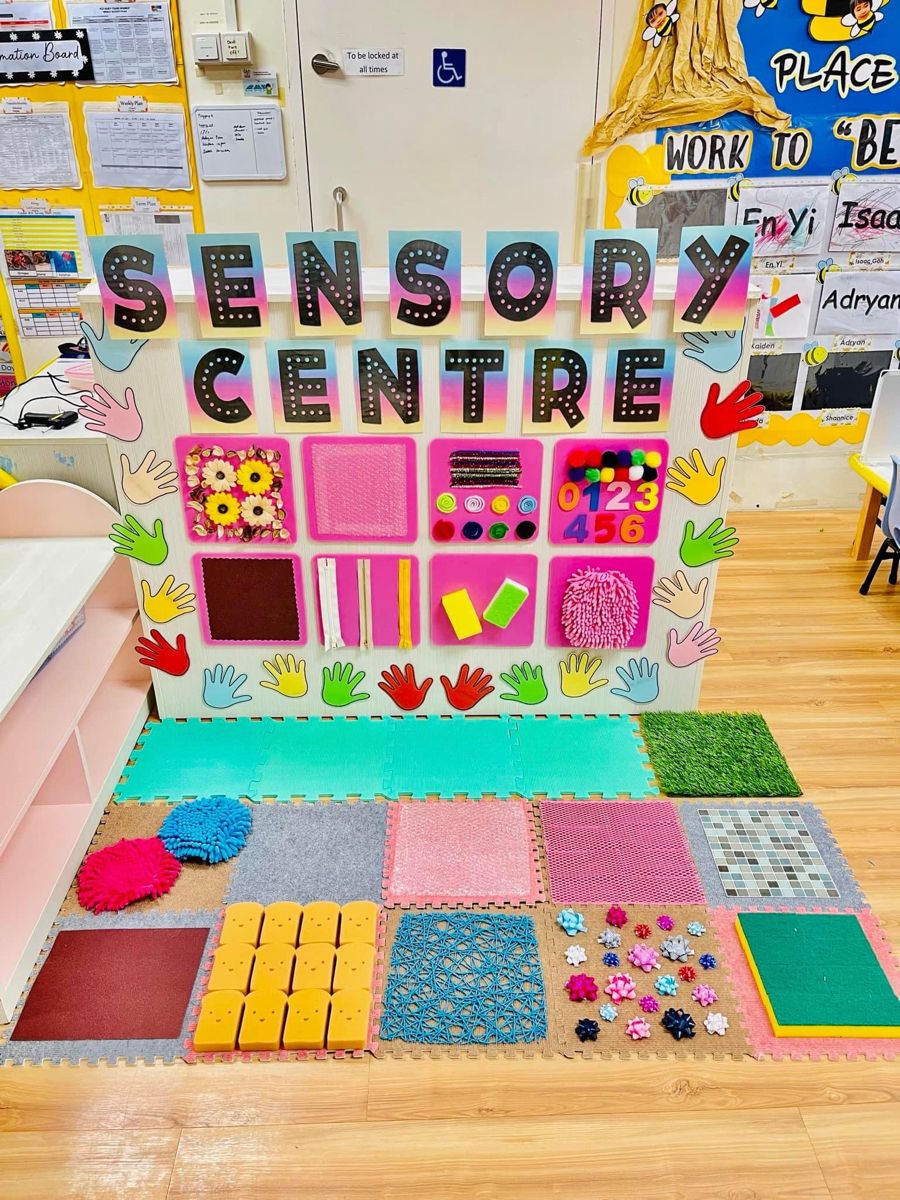
Listeners can anticipate deeply authentic conversations that eschew stereotypical representations. These narratives cultivate empathy through candid discussions of subjects such as sensory sensitivities, social navigation, and neurodivergent pride. Through voices that often go unheard, these podcasts dismantle misconceptions and elevate autistic identity as a source of strength rather than deficiency.
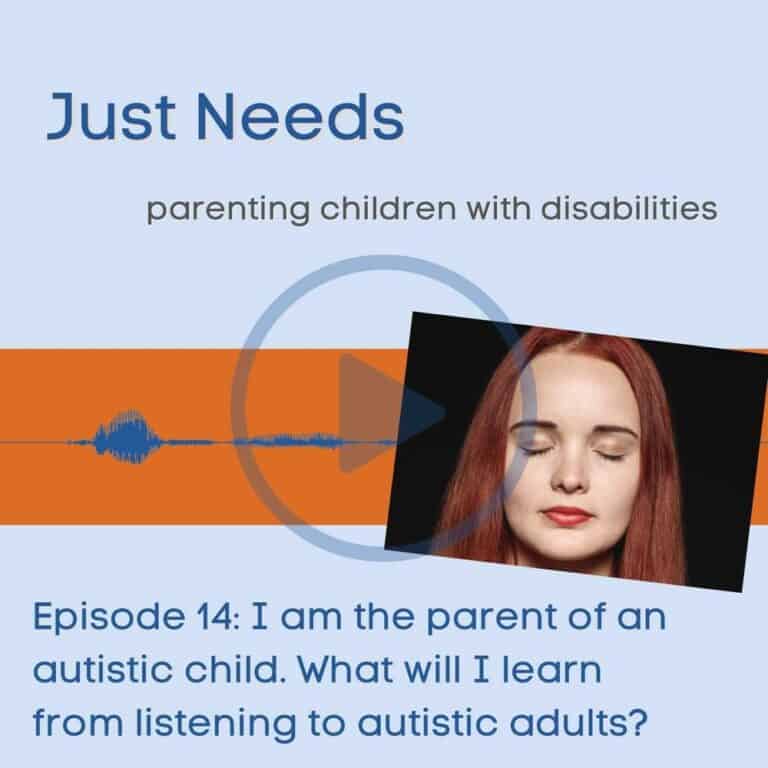
This category is indispensable for those seeking to engage with autism from inside the lived experience, enriching understanding beyond mere theory.
Educational Deep Dives and Scientific Insights
For listeners keen on the empirical and academic facets of autism, numerous podcasts offer rigorous explorations of current research, therapeutic interventions, and policy developments. These productions often feature experts such as neuroscientists, clinical psychologists, and special educators who unpack complex topics with clarity and precision.
Expect meticulously crafted episodes that dissect the latest findings about neural development, co-occurring conditions, and emerging diagnostic criteria. Such programming elucidates the dynamic nature of autism spectrum conditions, highlighting innovations in assistive technology and evidence-based practices that enhance quality of life.
These podcasts serve educators, clinicians, and families alike by presenting authoritative knowledge intertwined with practical applications, enabling informed decision-making and advocacy.
Advocacy and Social Justice Perspectives
Autism podcasts have increasingly embraced a socio-political lens, contextualizing autism within broader discussions of civil rights, accessibility, and systemic bias. These shows foreground voices from the neurodiversity movement, calling for societal transformation that respects neurodivergent autonomy and challenges ableism.
The content transcends traditional medical models to interrogate issues such as employment discrimination, inclusive education, and intersectionality. Hosts often engage in spirited dialogues with activists, lawyers, and self-advocates who illuminate the complexities of pursuing equity in a world still largely designed for neurotypical individuals.
Listeners will find content that is both intellectually rigorous and passionately principled, encouraging participation in activism and grassroots initiatives that foster genuine change.
Humor, Creativity, and Cultural Expression
Not all autism podcasts dwell solely in the realms of inquiry or advocacy. Some integrate humor and creativity, showcasing the vibrant cultural output of neurodivergent communities. These podcasts often feature comedians, artists, and writers who articulate the lived experience through satire, storytelling, and artistic expression.
The infusion of levity and imagination adds a refreshing dimension, allowing listeners to appreciate the multifaceted nature of autism beyond clinical or activist frames. In these spaces, the joy, wit, and ingenuity of autistic individuals take center stage.
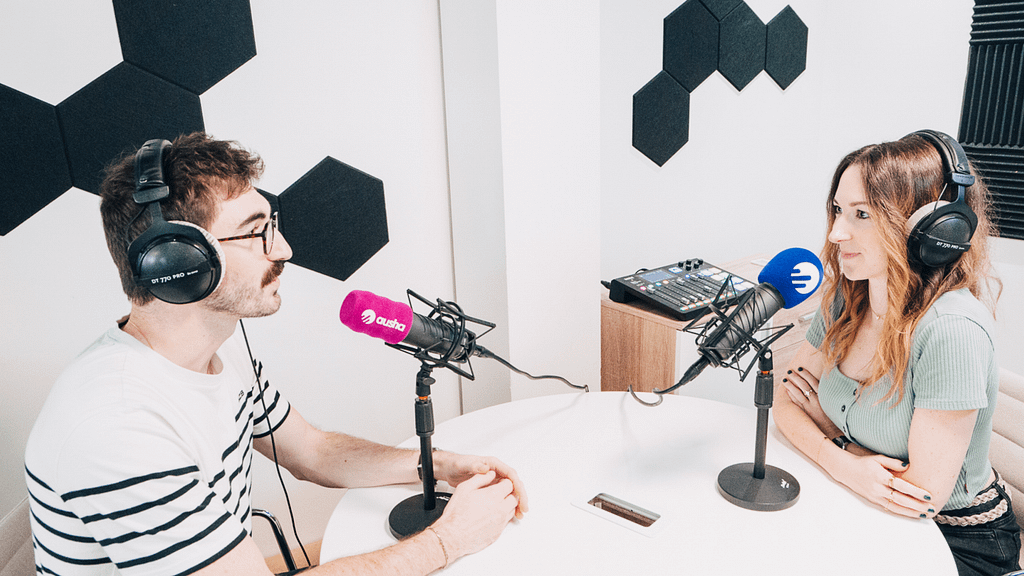
These podcasts remind us that humor and creativity are universal, invaluable tools for connection and self-expression.
Family and Caregiver Support
Autism affects not only individuals but entire family systems, and several podcasts are dedicated to supporting caregivers, siblings, and extended family members. These shows offer guidance on navigating relationships, educational advocacy, and mental health challenges inherent in caregiving roles.
Content in this arena often includes expert interviews, resource sharing, and heartfelt conversations about balancing care with self-care. Families gain access to practical strategies as well as emotional validation, building resilience amidst the often complex dynamics of autism support.
Such podcasts are essential touchstones for those striving to create nurturing environments and better understand the multifaceted nature of autism within familial contexts.
Conclusion: Curated Voices Crafting a Richer Autism Dialogue
As 2026 unfolds, autism podcasts offer an unparalleled gateway into understanding this intricate and deeply human spectrum of experiences. From deeply personal narratives to scientific elucidations, from impassioned advocacy to joyous creativity, the constellation of available content is as diverse as the community it represents. These podcasts empower listeners to engage with autism in nuanced and meaningful ways, challenging preconceptions while celebrating individuality.
For anyone invested in expanding their comprehension or fostering a more inclusive society, these auditory journeys are indispensable. They not only illuminate the multifarious facets of autism but also amplify voices that demand to be heard—voices that transform misunderstanding into empathy and isolation into community.

Immersing oneself in these top autism podcasts is not merely an act of listening; it is an active participation in the evolving narrative of neurodiversity, one conversation at a time.