In contemporary society, the quest for specialized resources addressing autism spectrum disorder (ASD) has become increasingly prevalent. As communities grow more aware of the nuanced needs of individuals on the spectrum, there emerges a parallel surge in the utilization of autism resource directories. These directories, often curated with precision, serve as crucial conduits between families, professionals, and support networks. The fascination with these comprehensive compendiums extends beyond mere convenience; it reveals a deeper human yearning for connection, clarity, and empowerment amidst complexities.
Understanding Autism Resource Directories
Autism resource directories function as centralized repositories that amalgamate services, events, and organizations dedicated to supporting individuals with autism and their families. They transcend basic listings, often incorporating detailed descriptions, contact information, event schedules, and even historical insights. By making localized data accessible, these directories not only simplify navigation but also foster a community-oriented approach to care.
This local emphasis is fundamental. It addresses a practical concern—accessibility. Families seeking therapy centers, educational programs, support groups, or even recreational activities can identify available options that are geographically and culturally relevant. Beyond pragmatism, there is an implicit embrace of inclusivity and validation, ensuring families do not feel isolated in their journey.
The Cultural Impetus Behind Directory Popularity
Why has the utilization of autism resource directories captured such widespread and sustained interest? Beneath the utilitarian façade lies a more profound societal dynamic. Autism is no longer relegated to the periphery of discourse but has become a focal point for advocacy, education, and social transformation. Awareness campaigns and community events amplify the visibility of autism-related needs, prompting a surge in resource discovery.
Moreover, as diagnostic criteria broaden and awareness proliferates, the population identifying as neurodivergent expands, thereby generating a growing demand for tailored supports. Autism resource directories embody a collective response, essentially mapping the multifaceted landscape of help and highlighting pathways previously obscured by fragmentation or misinformation.

Comprehensive Listings: Beyond Services to Events and History
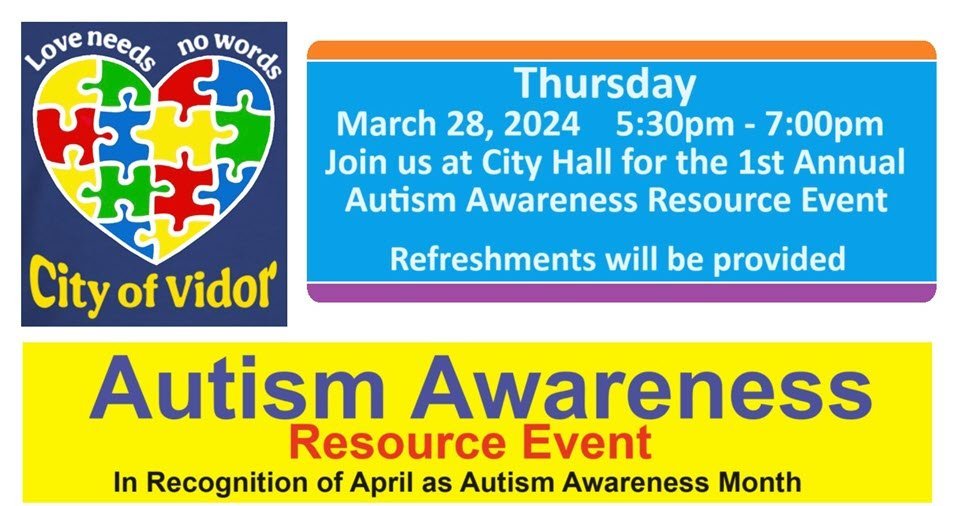
Some directories have evolved beyond static compilations, integrating dynamic components such as event calendars and local history highlights. For instance, community fairs and awareness events are pivotal moments where families, educators, and professionals intersect. These gatherings are more than informational; they are celebratory and affirming, weaving a tapestry of shared experiences and collective hope.
Incorporating historical context within these directories adds layers of significance. By documenting the evolution of autism awareness in a given locale, directories invite users to appreciate progress made and challenges overcome. This anchoring effect instills a sense of legacy and community identity, reinforcing that the quest for inclusion is cumulative and ongoing.

The Vital Role of Accessibility and Usability
The true potency of an autism resource directory lies in its accessibility—not only to digital literates but also to those with varying degrees of technological access or cognitive load. Intuitive design, clear organization, and precise categorizations enhance user experience, minimizing frustration and maximizing utility.
Furthermore, multilingual support, adaptability for assistive devices, and community feedback mechanisms can transform directories from static lists into living platforms of engagement. Such features acknowledge the diversity of users’ needs and affirm the principle that support must be as inclusive as possible.
Community Impact and Empowerment
When families and individuals tap into well-constructed resource directories, the benefits ripple outward. Accessing localized help facilitates better educational outcomes, improved therapeutic interventions, and stronger social networks. It empowers users to advocate effectively for themselves or their loved ones, leveraging knowledge to navigate systemic complexities.
Importantly, these directories catalyze collaboration across sectors—healthcare providers, educators, policymakers, and advocates—fostering a more integrated approach. This collective synergy is increasingly indispensable as autism support must adapt to varied and evolving needs.
Challenges and Future Directions
Despite significant strides, challenges persist. Maintaining up-to-date information is labor-intensive, requiring ongoing partnerships and vigilant curation. Disparities in resource availability reflect broader socio-economic inequities, underscoring the need for directories to proactively highlight gaps and advocate for resource expansion.
Looking ahead, the integration of artificial intelligence and geospatial technologies promises to revolutionize how autism resources are catalogued and discovered. Personalized recommendations and real-time updates could elevate directories from informational tools to personalized navigators, enriching the user journey.
In sum, autism resource directories represent more than aggregations of service contacts; they are vital infrastructures embodying hope, connection, and empowerment for diverse communities. As awareness deepens and societal commitment expands, these directories will continue to be indispensable gateways, transforming the quest for help into a shared voyage of understanding and support.