The human mind is often likened to a vast galaxy—endlessly complex, awe-inspiring, and sprinkled with constellations that tell countless unique stories. Autism Spectrum Disorder (ASD) lives within this cosmic metaphor, representing one of the most intricate and misunderstood realms of cognition and behavior. But is autism a disability? To decipher this question, one must venture beyond simplistic labels and explore the spectrum’s rich tapestry of traits, challenges, and remarkable nuances.
Decoding the Spectrum: A Broader Perspective on Autism
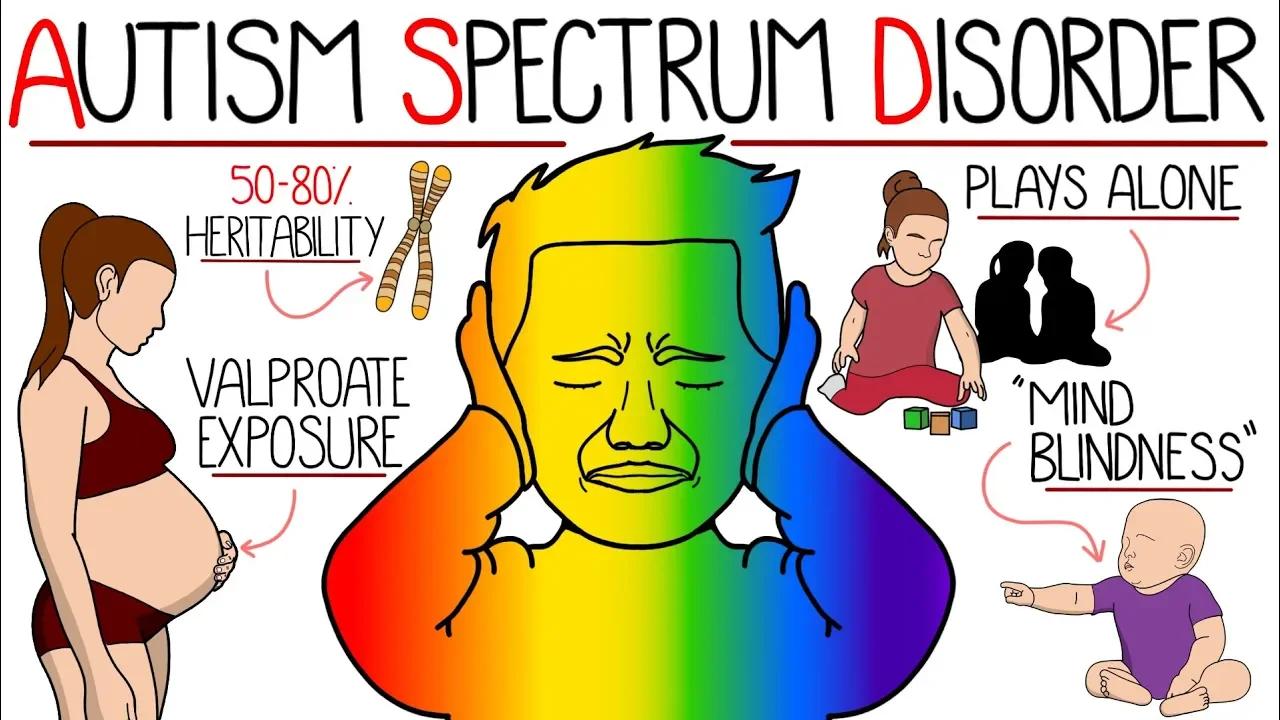
Autism Spectrum Disorder is not a monolith; it is a continuum that encompasses an array of neurological variations. Just like the colors of a rainbow blend seamlessly yet retain their distinct hues, each individual’s experience with autism presents differently. Some face considerable hurdles in social communication and daily functioning, while others exhibit extraordinary strengths in pattern recognition, memory, or creativity.
In clinical terms, autism is categorized by difficulties in social interaction, communication challenges, and repetitive behaviors or interests. However, these criteria only scratch the surface of what autism embodies. The spectrum is vast, ranging from profound support needs to complete independence. Such diversity complicates the simple classification of autism as a mere “disability.”
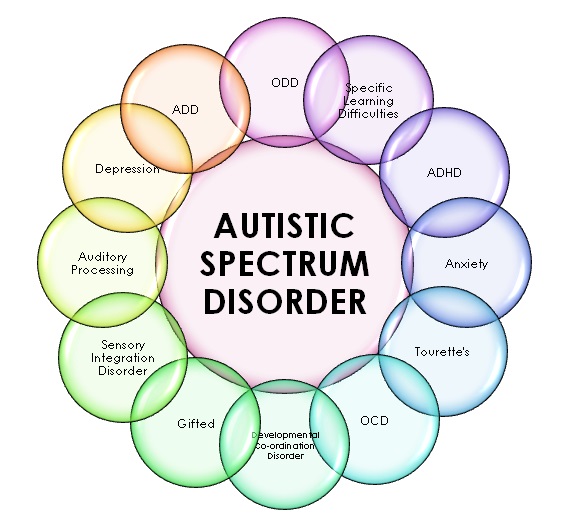
Understanding autism as a spectrum invites society to appreciate the infinite gradations of human neurodiversity rather than pigeonholing individuals into restrictive categories.
The Metaphorical Lens: Autism as a Unique Prism
Imagine the human brain as a prism through which light—our perceptions, emotions, and interactions—passes. For neurotypical individuals, this prism refracts light into expected and familiar patterns. For those on the autism spectrum, the prism is uniquely faceted, casting light in distinct, sometimes dazzling ways that do not conform to conventional norms. This refracted light reveals a different perspective and a novel lens on the world.
Through this optical metaphor, autism is not a deficit but an alternative configuration of the neurological architecture. It is a divergence that offers unparalleled depth in certain areas, such as attention to detail, intense focus, and innovative problem-solving. Yet, it may also lead to difficulties navigating social subtleties or sensory sensitivities, emphasizing the necessity of understanding and accommodation rather than outright categorization as a disability.
Is Autism a Disability? Legal and Social Frameworks
Within the framework of law and social policy, autism is often recognized as a disability. This perspective arises from the challenges many autistic individuals face in participating fully in society as traditionally structured. The Americans with Disabilities Act (ADA), for example, includes autism under the umbrella of disabilities, ensuring legal protections and accommodations in education, employment, and public life.
This classification is a double-edged sword. On one hand, designation as a disability affords critical rights and support systems. On the other, it risks reinforcing stigma and overshadowing the unique capabilities within the autism community. The challenge lies in balancing recognition of challenges with an appreciation for neurodiversity’s value.
It is essential to move past binaries of able-bodied versus disabled and embrace a more nuanced understanding—one that respects both the need for support and the celebration of difference.
Unique Strengths and Contributions of Autistic Individuals
Far too often, discourse around autism concentrates on impairments, eclipsing the innate strengths many autistic individuals possess. Some excel in fields that require systemic thinking, meticulousness, and unwavering dedication. The contributions of autistic individuals in science, technology, art, and literature paint a compelling portrait of potential and excellence.
Consider the groundbreaking innovations driven by thinkers who see the world through the idiosyncratic lens of autism. Their ability to hyperfocus and perceive patterns invisible to others propels advancements and creative expression. Acknowledging these attributes challenges the deficit-focused narrative and nurtures a more equitable valuation of neurological diversity.
The focus should not be restricted to what autistic people struggle with but equally extended to what they uniquely offer to society.
Toward Empathy and Inclusion: Reframing Disability
Disability is fundamentally a social construct shaped by environmental barriers and societal attitudes. Autism, therefore, is not solely a medical condition but an interaction between an individual’s neurological make-up and the world they inhabit. When society adapts—through inclusive education, workplace accommodations, and community understanding—the disabling effects of autism can be mitigated.
Embracing autism means celebrating difference rather than mere tolerance. It involves cultivating environments where communication styles and sensory needs are respected and where every individual’s prism can refract their brilliance without distortion.

The road to inclusion requires dismantling stereotypes and fostering empathy—transforming the perception of autism from a label of limitation into a recognition of complex, invaluable variation.
Conclusion: Embracing the Spectrum’s Full Spectrum
Autism defies the simplicity of categorization. It is neither solely a disability nor solely a difference but a dynamic interplay of both. Only through a comprehensive, empathetic, and open-minded approach can society truly grasp the richness autism brings to our collective human experience.
As the prism metaphor reveals, autism changes the angle at which light enters our perception, illuminating perspectives that enrich the tapestry of humanity. Rather than asking, “Is autism a disability?” the question should evolve into, “How can we harness the diverse brilliance within the autism spectrum to foster a more inclusive and understanding world?”
In doing so, we move toward a future where every individual’s unique constellation shines brilliantly, unhindered by limiting definitions or societal constraints.