The holiday season, often laden with joy and togetherness, can simultaneously evoke significant stress—particularly for families navigating the complexities of autism. The interplay of altered routines, sensory overload, and heightened social expectations can present formidable challenges. Understanding the multifaceted nature of holiday stress in the context of autism and adopting nuanced coping strategies is essential for fostering a harmonious environment that respects both individual needs and collective celebration.
Understanding the Unique Challenges of Holiday Stress in Autistic Individuals
For many children and adults on the autism spectrum, holidays introduce disruptions that can be disorienting and overwhelming. The rigidity of routines, which provides a sense of security, is frequently compromised by travel, visitors, and altered activities. This upheaval often triggers increased anxiety and behavioral manifestations. Furthermore, sensory sensitivities—ranging from hypersensitivity to noise, light, and tactile stimuli—are typically exacerbated by festive decorations, loud music, and crowded gatherings, amplifying discomfort.
Social complexities, such as interpreting non-verbal cues or engaging in prolonged social interactions, can further intensify stress. The anticipation and unpredictability associated with the holiday period compound the challenges, sometimes leading to meltdowns or withdrawal. Appreciating these unique stressors is foundational for implementing effective coping frameworks tailored to autistic family members.

Preparatory Strategies: Laying the Groundwork for a Smooth Holiday
Proactive preparation is paramount in mitigating holiday stressors. One pivotal approach involves creating visual schedules outlining the sequence of holiday events. Visual aids condense complex information into manageable cognitive packets, offering predictability and reducing uncertainty. Families can collaboratively develop these schedules, incorporating photographs, symbols, or simple drawings that resonate with the autistic individual’s comprehension level.
Equipping children and adults with social stories—narratives that elucidate expected behaviors and scenarios—also enhances emotional readiness. These stories demystify unfamiliar situations, such as meeting extended family or attending parties, by framing them within a comprehensible narrative structure. Additionally, setting realistic expectations for participation and acknowledging potential sensory triggers preempt adverse reactions.
Environmental Modifications for Sensory Accommodations
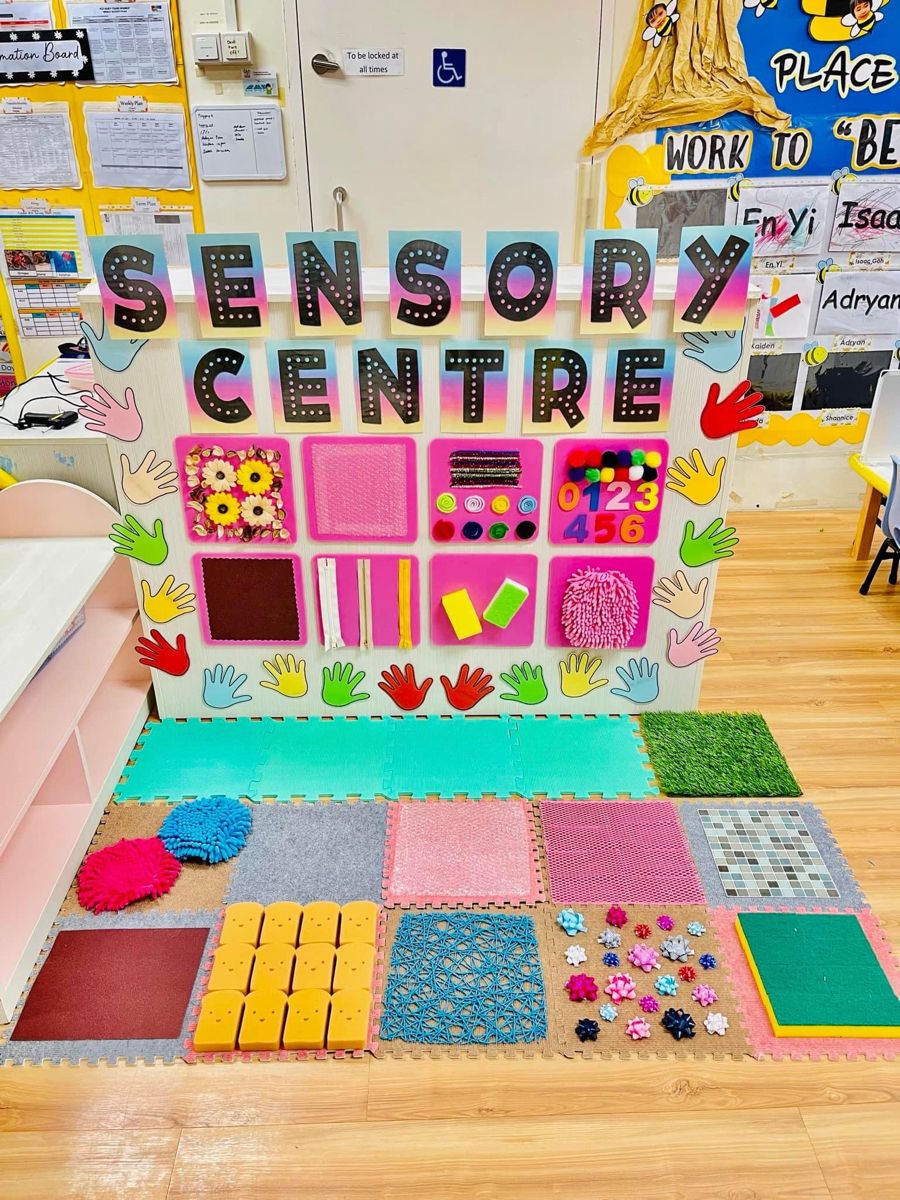
Environmental control is a potent antidote to sensory overwhelm. Families can designate quiet zones within the home equipped with calming stimuli—soft lighting, noise-canceling headphones, or weighted blankets—that facilitate sensory regulation. These sanctuaries afford respite from the clamor of holiday festivities, allowing for decompression.
Modifying the physical environment extends to conscientious decorating choices. Opting for subdued colors and minimizing the use of flashing lights or excessive ornaments can curtail sensory bombardment. Sound levels should be monitored vigilantly, with music and conversations tempered to prevent auditory overload. The strategic timing of events during less busy periods further alleviates overstimulation.
Communication Techniques to Alleviate Holiday Stress
Effective communication serves as the linchpin of successful coping. Utilizing clear, concise language and augmentative communication methods—such as picture exchange systems or digital communication devices—bridges gaps in expressive abilities. Offering choices empowers autistic individuals, fostering a sense of autonomy amid often chaotic environments.
Encouraging the expression of feelings and sensory experiences validates their internal states and provides caregivers with critical insights to adapt responses appropriately. It is imperative to maintain patience and avoid pressuring participation. Respecting non-verbal cues and offering alternative means of engagement preserves dignity and promotes emotional well-being.
Incorporating Routine and Flexibility: A Delicate Balance
While holidays inherently disrupt daily routines, maintaining core rituals can anchor autistic family members in familiarity. Regular meal times, bedtime rituals, and preferred leisure activities should be preserved as much as possible to sustain equilibrium.
Simultaneously, fostering flexibility is crucial. Introducing gradual, small changes rather than abrupt alterations acclimates individuals to variation over time. Visual countdowns to events and debriefing sessions post-activity can frame transitions as manageable and comprehensible, tempering anxiety associated with uncertainty.
Support Networks and Professional Resources
The holiday period can underscore the importance of external support. Engaging extended family and friends in understanding autism-specific needs cultivates a more empathetic and accommodating milieu. Open dialogues about sensory preferences, communication styles, and behavioral triggers enhance collective awareness and cooperation.
Moreover, professional guidance, such as occupational therapy consultations or behavioral specialists, can offer tailored interventions during the holiday season. Online communities and support groups for families of autistic individuals also provide invaluable emotional reinforcement and practical advice, fostering connectedness amid potential isolation.

Mindfulness and Self-Care for Caregivers
Caregivers bear a considerable emotional and physical burden, especially during the intensified demands of the holidays. Prioritizing self-care enables sustained compassion and effectiveness. Mindfulness practices, whether through meditation, controlled breathing, or brief nature walks, provide replenishment and perspective.
Scheduling respite breaks, even brief interludes, prevents burnout. Cultivating a support network wherein responsibilities and emotional labor are shared mitigates isolation. Recognition that stress is a natural response reinforces resilience, encouraging adaptive coping rather than perfectionism.
Conclusion: Cultivating a Compassionate and Adaptable Holiday Experience
Navigating holiday stress in families affected by autism requires a confluence of understanding, strategic planning, and empathetic support. By anticipating challenges, modifying environments, and fostering clear communication, families can create inclusive celebrations that honor the unique needs of autistic individuals. The balance of routine and flexibility, coupled with robust support systems, cultivates an atmosphere where joy can authentically flourish despite challenges.
Embracing this holistic approach transforms the holiday season from a potential point of strain into an opportunity for connection, growth, and shared happiness — a testament to resilience and unconditional love.