In a world where the cacophony of modern life often drowns out the whispers of our inner selves, discipline and focus emerge as the twin lighthouses guiding us through the fog. For individuals navigating the intricate landscape of autism, these twin pillars can be transformative—offering not just structure, but a profound sense of empowerment. Martial arts, with its ancient lineage and modern adaptations, stands as a bridge between chaos and clarity, a discipline that reshapes the mind as much as it conditions the body. This article explores how the fusion of autism and martial arts cultivates not only physical prowess but also mental resilience, emotional balance, and a renewed sense of self.
The journey begins with the understanding that discipline is not a rigid cage but a scaffold—one that supports growth without stifling individuality. For those on the autism spectrum, the structured environment of martial arts provides a sanctuary where routines are predictable, expectations are clear, and progress is tangible. Unlike conventional educational or social settings, where ambiguity can breed anxiety, martial arts training offers a codified system where every movement, every stance, every breath is a step toward mastery. This predictability is a balm for the often-overwhelming unpredictability of the world outside the dojo.
The Alchemy of Routine: How Structure Transforms the Mind
Routine is the silent architect of the brain, shaping neural pathways with the precision of a sculptor chiseling marble. For individuals with autism, a consistent routine can mitigate sensory overload and reduce anxiety by providing a predictable framework within which to operate. Martial arts, with its emphasis on repetition and gradual progression, leverages this principle to its fullest. Each session begins with a ritual—bowing to the instructor, aligning the body in a specific stance, or reciting a mantra of focus. These rituals are not mere formalities; they are the scaffolding upon which discipline is built.
Consider the act of performing a kata, a choreographed sequence of movements that demands precision, memory, and control. For someone with autism, the repetition of these movements can be meditative, a form of moving meditation that quiets the mind while engaging the body. The tactile feedback of each strike, the rhythmic cadence of breath, and the visual tracking of the sequence create a multisensory experience that anchors the practitioner in the present moment. Over time, this practice cultivates a mental fortitude that spills into other areas of life—whether it’s managing transitions between tasks or navigating social interactions with greater ease.
Focus as a Superpower: Sharpening the Mind’s Edge
Focus is the laser beam that cuts through distraction, illuminating what truly matters. In a world saturated with stimuli, the ability to concentrate is a superpower—and one that individuals with autism often possess in abundance. Martial arts harnesses this innate ability, refining it into a tool of precision and power. The practice of breaking down complex techniques into manageable components teaches the art of single-pointed attention, where the mind is trained to zero in on a single task without wavering.

The paradox of focus is that it is not about exclusion but inclusion—it’s about training the mind to acknowledge distractions without being derailed by them. In martial arts, this skill is honed through drills that demand unwavering attention, such as sparring or breaking boards. The practitioner learns to anticipate an opponent’s moves while maintaining control over their own reactions, a duality that mirrors the challenges of navigating real-world scenarios. For individuals with autism, this practice can translate into improved executive function, better emotional regulation, and a heightened ability to process information without becoming overwhelmed.
The Body as a Canvas: Movement as a Language of Expression
For many individuals with autism, verbal communication can feel like an imperfect tool—one that fails to capture the depth of their thoughts and emotions. Martial arts offers an alternative language, one written in the syntax of movement and the grammar of the body. The physicality of training provides an outlet for self-expression, a way to articulate feelings that might otherwise remain unspoken. Whether through the fluid grace of a high kick or the controlled power of a strike, movement becomes a form of dialogue with the self and the world.
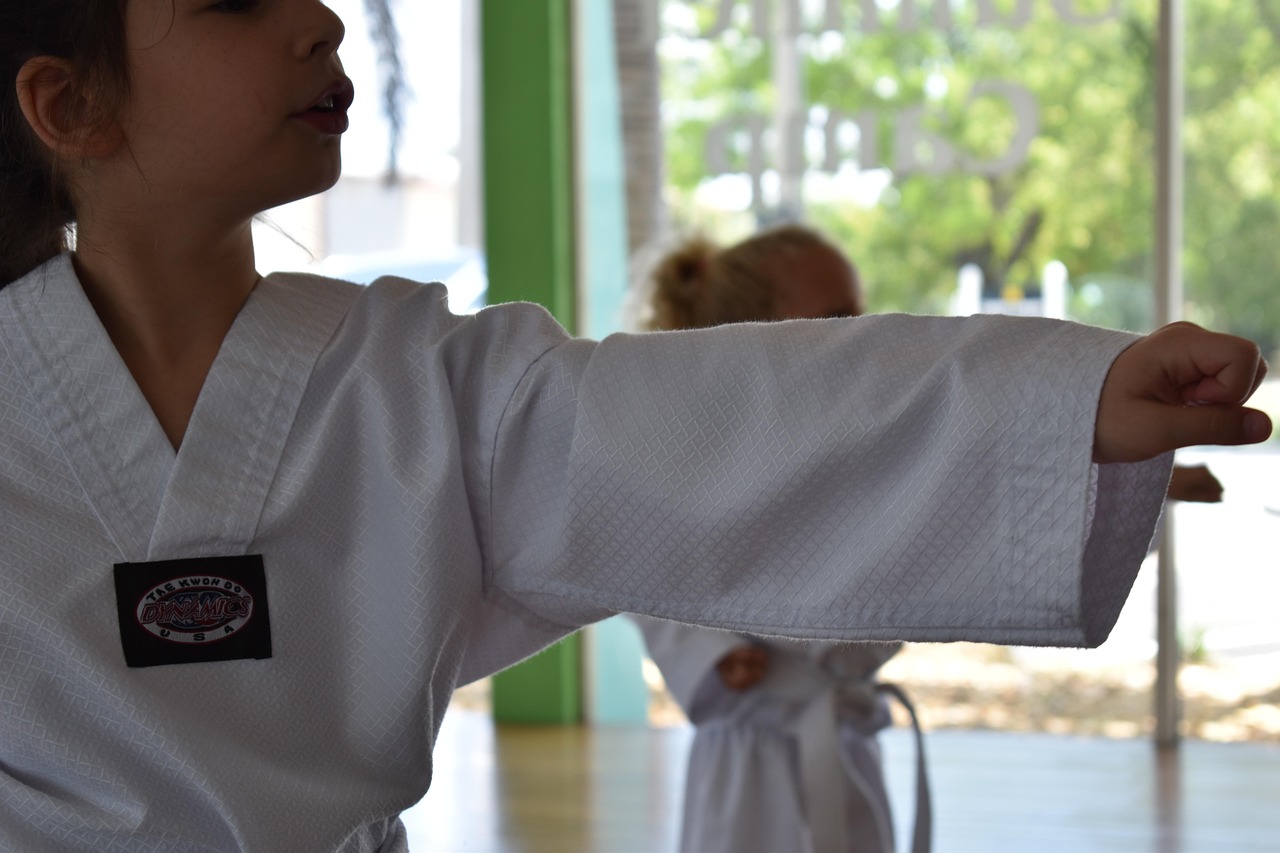
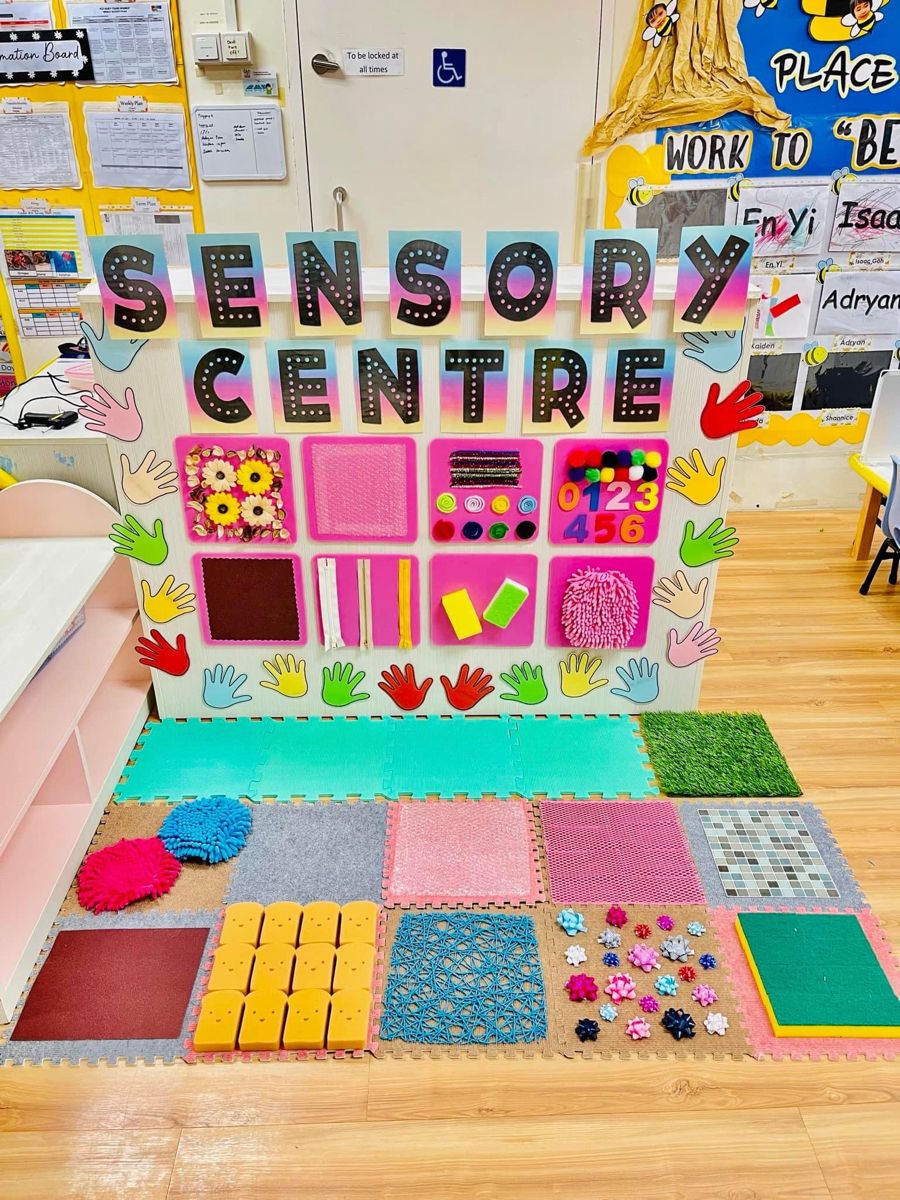
This physical language is particularly potent for those who experience sensory sensitivities. The rhythmic patterns of martial arts training can be soothing, offering a counterbalance to the often chaotic sensory input of daily life. The tactile feedback of gripping a weapon, the vibration of a strike against a pad, and the kinesthetic awareness of balance all contribute to a holistic sensory experience that can be both grounding and exhilarating. Over time, this physical dialogue fosters a deeper connection between mind and body, cultivating a sense of wholeness that transcends the limitations of verbal communication.
From the Dojo to Daily Life: The Ripple Effect of Martial Arts
The true magic of martial arts lies not in the belt around one’s waist but in the transformation it fosters beyond the dojo walls. The discipline, focus, and self-expression cultivated in training are not confined to the mats; they permeate every aspect of life. For individuals with autism, this ripple effect can be life-changing. The ability to approach challenges with a calm, methodical mindset can reduce meltdowns and improve problem-solving skills. The confidence gained from mastering a technique can translate into greater self-assurance in social settings. The resilience built through physical and mental training can empower individuals to advocate for themselves and navigate the world with greater independence.
Consider the story of a young person who once struggled with transitions between activities, their frustration manifesting in outbursts that left them and their caregivers exhausted. Through martial arts, they learned to channel that energy into focused practice, using the structured environment to anticipate and prepare for changes. The predictability of the routine became a source of comfort, and the physical exertion provided an outlet for their emotions. Over time, their ability to adapt improved, not because the world became less chaotic, but because they had developed the tools to navigate it with greater ease.
The Instructor’s Role: A Guide, Not a Gatekeeper
The relationship between student and instructor in martial arts is one of mutual growth, where the teacher serves as both a guide and a mirror. For individuals with autism, an instructor’s understanding and adaptability can make the difference between frustration and progress. A skilled instructor recognizes that each student’s journey is unique, tailoring their approach to accommodate different learning styles and sensory needs. They create an environment where mistakes are not failures but stepping stones, and where encouragement is as much a part of the curriculum as the techniques themselves.
This mentorship extends beyond the physical techniques to include emotional and social development. Instructors often serve as role models, demonstrating patience, perseverance, and respect—qualities that students can emulate in their own lives. The dojo becomes a microcosm of the larger world, a place where social norms are practiced and refined in a safe, supportive setting. For individuals with autism, this real-world simulation can be invaluable, offering a low-stakes environment to hone social skills without the pressure of judgment.
Breaking Barriers: The Inclusivity of Martial Arts
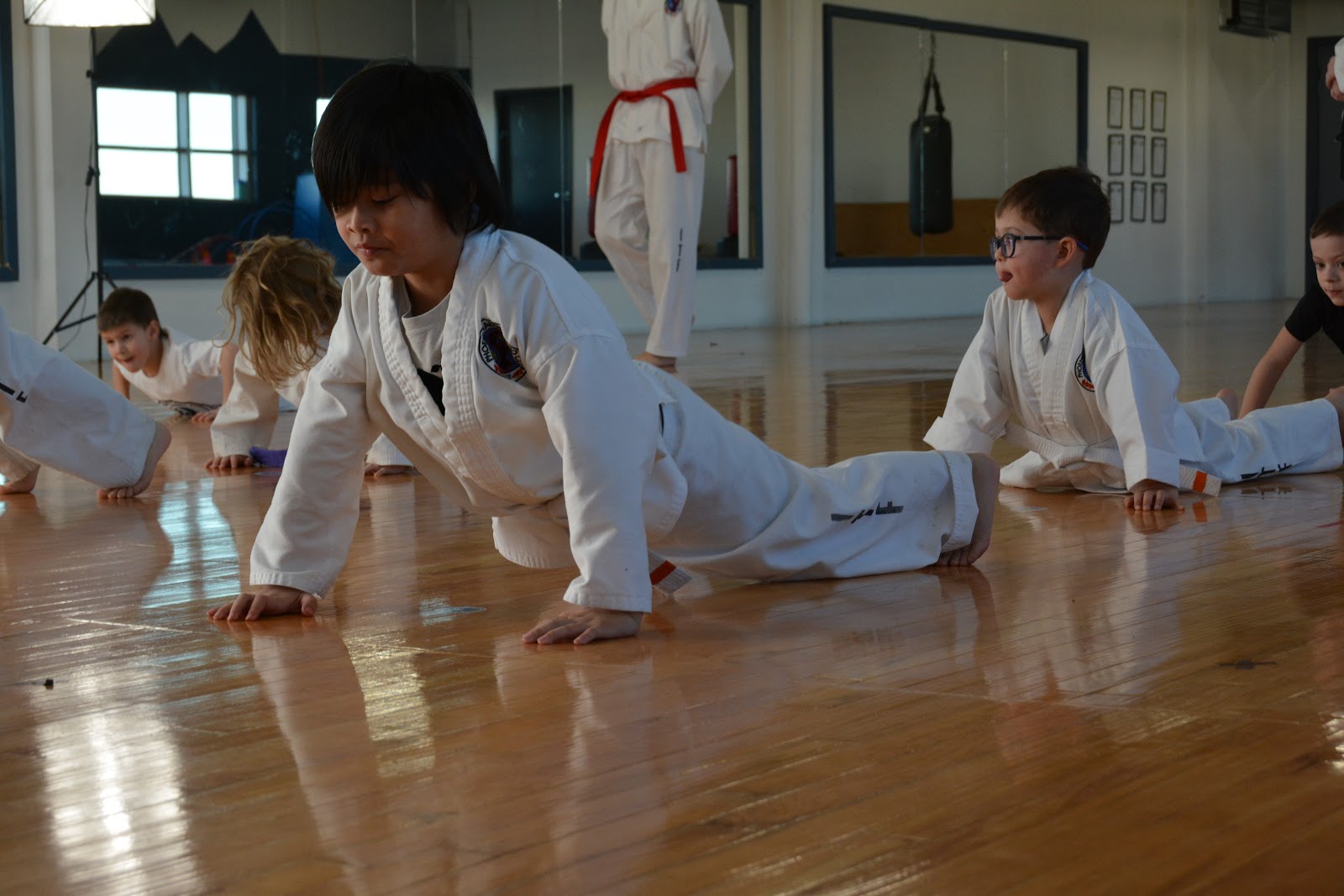
Martial arts is not a monolith; it is a diverse tapestry of styles, each with its own philosophy and approach. This diversity is one of its greatest strengths, offering something for everyone regardless of age, ability, or background. Adaptive martial arts programs have emerged in recent years, specifically designed to accommodate individuals with disabilities, including autism. These programs often incorporate sensory-friendly elements, such as dimmed lighting, reduced noise levels, and modified techniques to ensure accessibility for all.
The inclusivity of martial arts extends beyond physical adaptations to include a cultural shift in perception. As more individuals with autism step onto the mats, they challenge stereotypes and redefine what it means to be a martial artist. Their presence in the dojo not only enriches the community but also fosters a greater understanding and acceptance of neurodiversity. The act of training side by side with peers of all abilities normalizes difference, creating a space where everyone can thrive.
The path of martial arts is not an easy one. It demands perseverance, humility, and a willingness to confront one’s limitations. Yet, for those who walk this path, the rewards are immeasurable. Discipline becomes a companion, focus a superpower, and the body a vessel of expression. For individuals with autism, martial arts offers more than just physical training—it offers a transformative journey toward self-discovery and empowerment. In the quiet rhythm of a kata, the controlled power of a strike, and the camaraderie of the dojo, they find not just a skill, but a way of being. And in that way of being, they discover a strength that transcends the boundaries of their diagnosis, illuminating a path forward that is as unique as they are.