Could hyperbaric oxygen therapy (HBOT) be the unexpected key to unlocking new possibilities for individuals on the autism spectrum? The question dances on the edge of scientific intrigue and hopeful speculation, where anecdotal success stories collide with cautious skepticism. Autism spectrum disorder (ASD) presents a complex tapestry of challenges—from social communication hurdles to sensory sensitivities—leaving families and researchers alike searching for interventions that might offer more than just symptomatic relief. Enter HBOT, a treatment modality that has quietly slipped into the spotlight, promising oxygen-rich environments to potentially recalibrate neural pathways. But is this a groundbreaking leap forward, or merely another fleeting trend in the ever-evolving landscape of autism therapies?
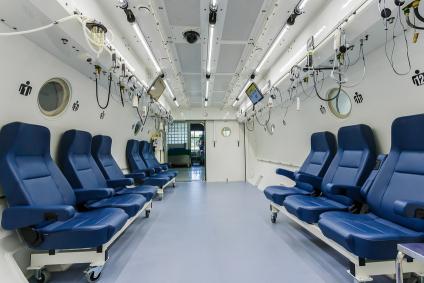
To unravel this enigma, we must first understand the mechanics of HBOT and its theoretical underpinnings in the context of autism. At its core, HBOT involves breathing pure oxygen in a pressurized chamber, a process that saturates the bloodstream with oxygen far beyond what the lungs can achieve under normal conditions. This oxygen-rich state, advocates argue, could stimulate neuroplasticity—the brain’s remarkable ability to reorganize itself—by reducing inflammation, enhancing mitochondrial function, and fostering the growth of new neural connections. For individuals with autism, whose brains often exhibit atypical connectivity and heightened neuroinflammation, this could theoretically translate into improved cognitive function, reduced sensory overload, and even enhanced social engagement. Yet, the leap from theory to tangible benefit remains a subject of fierce debate.
The Science Behind the Buzz: What Does the Research Say?
The allure of HBOT for autism is not without its scientific footing. Early studies, such as those conducted in the early 2000s, hinted at promising outcomes, with reports of improved language skills, reduced repetitive behaviors, and enhanced social interactions in some children. These findings sparked a wave of interest, leading to further exploration. However, the scientific community remains divided. Critics point to the small sample sizes of many studies, the lack of rigorous double-blind, placebo-controlled trials, and the potential for placebo effects to skew results. The gold standard of medical research demands more than just anecdotal evidence, and HBOT’s journey toward legitimacy is still fraught with unanswered questions.
One of the most compelling arguments for HBOT lies in its potential to address the physiological underpinnings of autism. Emerging research suggests that many individuals on the spectrum may experience chronic neuroinflammation, oxidative stress, and mitochondrial dysfunction—factors that could contribute to the behavioral and cognitive challenges associated with ASD. By flooding the body with oxygen under pressure, HBOT may help mitigate these issues, creating an environment where neurons can thrive rather than merely survive. Yet, the question lingers: Is this a universal solution, or does it merely scratch the surface of a far more intricate puzzle?
The Controversy Unraveled: Hope vs. Hype
The controversy surrounding HBOT and autism is not just a clash of opinions; it’s a collision of hope and hype, where desperate families seeking solutions often find themselves navigating a minefield of misinformation. Proponents of HBOT point to countless testimonials from parents who swear by its transformative effects. Children who once struggled with verbal communication now speak in full sentences. Adolescents who were once overwhelmed by sensory stimuli now navigate social settings with newfound ease. These stories, while deeply moving, are not enough to silence the skeptics. The placebo effect is a powerful force, and without rigorous, large-scale studies, it’s impossible to separate genuine progress from wishful thinking.
Moreover, the cost of HBOT is a significant barrier for many families. Sessions can run into the hundreds of dollars, and insurance coverage remains inconsistent at best. This financial burden raises ethical questions: Is HBOT a viable treatment, or is it an expensive gamble that preys on the hopes of vulnerable families? The answer may lie somewhere in the middle. While HBOT is not a panacea, it may offer a complementary tool in the broader toolkit of autism interventions. The challenge lies in discerning which individuals are most likely to benefit and under what conditions.
Navigating the HBOT Landscape: What Families Need to Know
For families considering HBOT as part of their autism intervention strategy, the journey begins with education. Understanding the science—both the potential benefits and the limitations—is crucial. Consulting with a healthcare provider who is well-versed in both autism and HBOT is equally important. Not all individuals with autism will respond to HBOT in the same way, and a tailored approach is essential. Some may see dramatic improvements, while others may experience little to no change. The key is to approach HBOT with realistic expectations and a willingness to monitor progress closely.
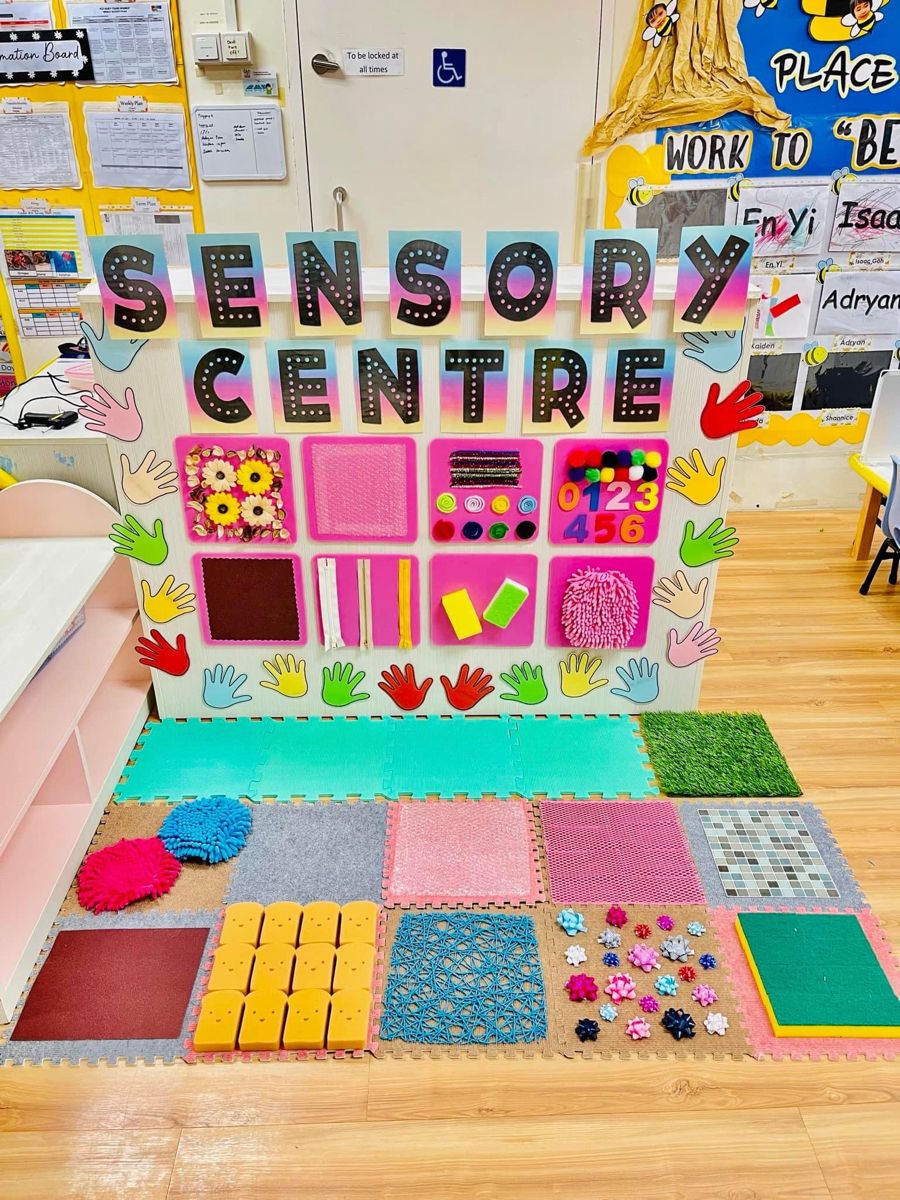
It’s also worth exploring the broader context of autism interventions. HBOT should not exist in a vacuum. A holistic approach that includes behavioral therapies, occupational therapy, dietary adjustments, and sensory integration techniques may yield more comprehensive results. The brain is a complex organ, and its rewiring often requires a multifaceted strategy. HBOT might be one piece of this puzzle, but it is unlikely to be the sole solution.
The Future of HBOT in Autism: A Glimpse into What Lies Ahead
The future of HBOT in autism treatment is a landscape still being charted. Ongoing research, including larger-scale clinical trials, may provide the clarity needed to determine its true efficacy. Innovations in technology, such as portable HBOT chambers, could make the treatment more accessible to families worldwide. As our understanding of autism deepens, so too does our ability to identify which individuals are most likely to benefit from specific interventions. HBOT may yet find its place in this evolving narrative, but only time—and rigorous science—will tell.
The journey of autism and HBOT is one of cautious optimism. While the controversy rages on, the stories of transformation continue to inspire. For families standing at the crossroads of hope and uncertainty, the path forward may be paved with questions, but it is also illuminated by the possibility of progress. Whether HBOT becomes a cornerstone of autism treatment or a footnote in its history remains to be seen. What is certain, however, is that the conversation itself is a vital step toward understanding the full spectrum of possibilities for individuals on the autism journey.
The question, then, is not just whether HBOT works, but how we can best harness its potential while remaining grounded in the realities of science and the diverse needs of those it aims to help. In the end, the most powerful tool may not be the oxygen chamber itself, but the collective pursuit of knowledge, empathy, and innovation that drives us forward.