

In the intricate world of neurodiversity, autism masking emerges as a phenomenon that captivates both the clinical gaze and social spectrums. On the surface, it may appear as a pragmatic adaptation—a skillful camouflage designed to navigate a predominantly neurotypical society. Yet, beneath this veneer lies a labyrinth of psychological ramifications that are often overlooked. The act of masking, while a tool for social assimilation, harbors a darker subtext: an insidious toll on mental health that demands urgent discourse.
The Compelling Allure of Autism Masking
Autism masking can be viewed as a fascinating behavioral enigma. It encompasses the conscious or unconscious effort of autistic individuals to suppress or modify behaviors, expressions, and interests to conform to societal expectations. This effort offers a semblance of acceptance and belonging—elusive yet deeply craved. The compelling allure of masking resides in the promise of social integration, evading stigma and, in some contexts, avoiding prejudice or discrimination. Such an adaptive façade is both a shield and a prison, illuminating the paradox of survival amid pervasive misunderstanding.

Psychological Exhaustion and Identity Fragmentation
The relentless enactment of a curated self exacts an unrelenting psychological price. Masking necessitates sustained self-monitoring and relentless vigilance over one’s behaviors and reactions, leading to profound mental fatigue. The cognitive load associated with this performance can precipitate chronic stress and anxiety, conditions disproportionately prevalent among those who mask.
Moreover, this repeated suppression of authentic traits frequently results in identity fragmentation. Individuals grapple with a bifurcated existence: the persona they present and the one they conceal. Over time, this dichotomy can blur self-awareness and engender a profound sense of alienation from the true self. The incongruence between internal identity and external expression feeds a psychological dissonance that can catalyze depressive episodes and exacerbate existential despair.
The Enigma of Social Connection and Isolation
Masking’s paradox extends into the realm of social relationships. While the motive behind masking is often the cultivation of connection, it paradoxically engenders isolation. The masked individual may succeed in superficial social assimilation but frequently at the cost of authentic intimacy. The artifice required robs social exchanges of genuine emotional resonance, which can deepen feelings of loneliness and misunderstanding.
This discomfiting solitude is compounded by the fear of unmasking—the trepidation that revealing one’s authentic neurodivergent identity may trigger rejection or discrimination. Consequently, many endure prolonged emotional isolation, leading to a perpetuating cycle of concealment and estrangement.

The Implications of Masking on Mental Health Diagnoses and Support
The phenomenon of masking often complicates the clinical landscape. Because autistic traits are deliberately obscured, many individuals evade timely diagnosis or receive misdiagnoses. This diagnostic ambiguity detracts from access to necessary supports and accommodations, indirectly exacerbating mental health challenges.
Additionally, masking can delay or complicate interventions tailored to the authentic needs of the individual. Without recognition of the hidden struggles beneath the surface, mental health professionals may only address symptoms rather than root causes. This disconnect between apparent behavior and internal experience is a subtle yet powerful driver of psychological distress.
Mechanisms of Coping and the Risks of Suppression
Though masking can initially serve as an adaptive coping mechanism, it often deteriorates into a maladaptive pattern. The suppression inherent in masking parallels mechanisms noted in other psychological conditions where repression of emotions and impulses results in increased vulnerability to anxiety, depression, and burnout.
Over time, the internalized pressure to maintain the mask can lead to emotional numbing and decreased coping flexibility. This dearth of authenticity not only diminishes resilience but may predispose individuals to severe episodes of mental health crises, including suicidal ideation and self-injurious behaviors.
Toward a Paradigm Shift: Embracing Neurodiversity Without Masks
Confronting the mental health risks linked to autism masking invites a broader societal and clinical paradigm shift. There is a compelling need to cultivate environments that honor neurodiversity by valorizing authenticity over conformity. This entails dismantling stigmas and expanding public awareness about the diverse manifestations of autistic experience.
On an individual level, empowering autistic individuals to embrace their inherent identities fosters psychological well-being and self-acceptance. Therapeutic approaches that validate the unmasked self and acknowledge the exhaustive burden of masking can facilitate recovery and resilience.
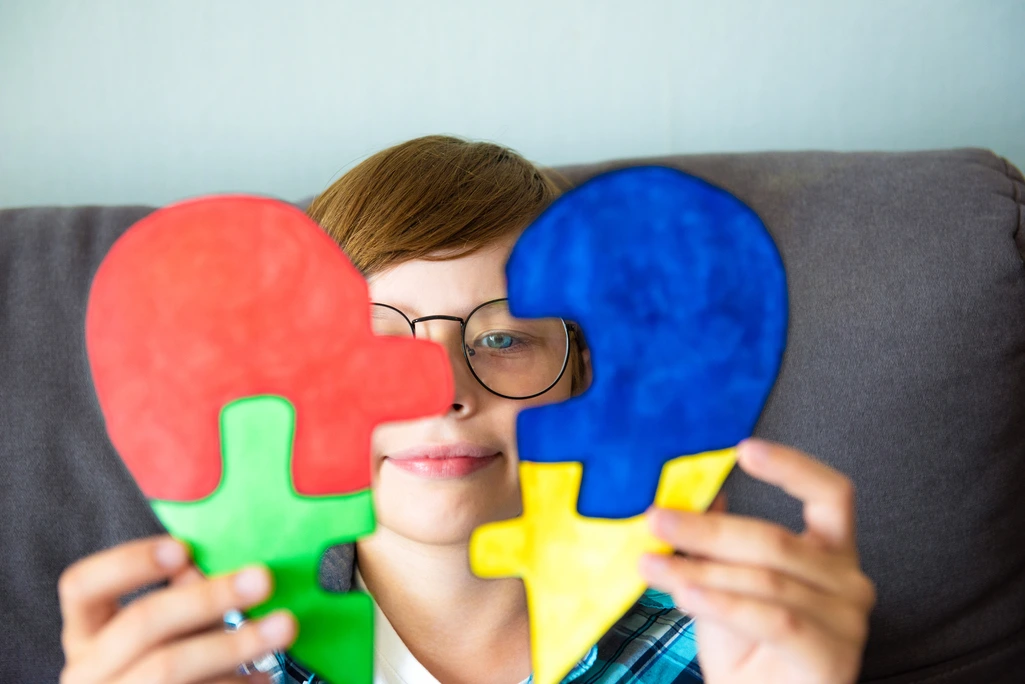
Ultimately, the dark side of autism masking underscores a poignant truth: the cost of invisibility runs deep. Recognition and validation are not mere luxuries but vital requisites for mental health and human dignity. By shining a light on the shadows cast by masking, society can move toward a more compassionate and inclusive future—one where every voice is heard, unfiltered and genuine.












